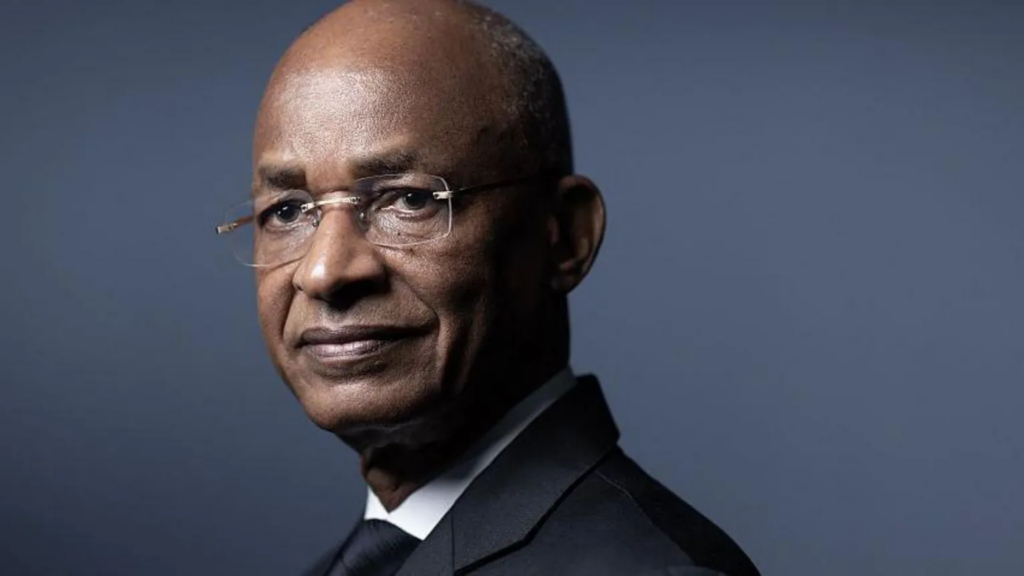
In a shocking turn of events, Guinea's main opposition leader, Cellou Dalein Diallo, has called for direct resistance against the country's coup leader-turned-president, after the authorities dissolved 40 political parties in a move widely seen as an attempt to consolidate power. The dissolution of the parties has sparked widespread outrage and raised concerns about the future of democracy in the West African nation. According to Diallo, the move has left the opposition with no choice but to adopt a more confrontational approach to bring about change.
The decision to dissolve the parties was announced by the country's electoral commission, which cited irregularities and non-compliance with the country's electoral laws as the reason for the move. However, opposition leaders have dismissed the claims, arguing that the real motive behind the decision is to silence dissenting voices and pave the way for the ruling party to dominate the political landscape. "This is a clear attempt to undermine the opposition and stifle any form of dissent," said Ahmadou Soumah, a spokesperson for the opposition coalition. "We will not be intimidated and will continue to fight for the rights of the Guinean people."
Background to the Crisis
The current crisis in Guinea has its roots in the country's troubled past. In 2021, the country experienced a military coup that led to the overthrow of the democratically elected government. The coup leader, who has since become the president, has been accused of human rights abuses and suppressing opposition. The international community has been watching the situation with concern, with many calling for the restoration of democratic rule and respect for human rights. "The situation in Guinea is a cause for concern," said Dr. Aboubacar Traore, a regional expert. "The dissolution of the parties is a clear indication that the government is not committed to democratic principles."
The opposition leader, Cellou Dalein Diallo, has been a vocal critic of the government and has been calling for free and fair elections to be held in the country. However, his efforts have been met with resistance from the authorities, who have accused him of inciting violence and destabilizing the country. Despite the challenges, Diallo remains determined to bring about change. "We will not be silenced," he said in a statement. "We will continue to fight for the rights of the Guinean people, no matter the cost."
International Reaction
The international community has been quick to condemn the dissolution of the parties, with many calling for the government to reverse its decision. The United Nations has issued a statement expressing concern about the situation and calling for the restoration of democratic rule. The African Union has also weighed in, urging the government to respect the rights of the opposition and to engage in dialogue to resolve the crisis. "The situation in Guinea is a test for the international community," said Ambassador Fatoumata Kaba, a representative of the African Union. "We must stand together to defend democracy and human rights."
As the situation in Guinea continues to unfold, there are concerns about the potential for violence and instability. The opposition has vowed to continue its resistance, while the government has warned of consequences for those who engage in unlawful activities. The international community is watching with bated breath, hoping that a peaceful resolution can be found. "The situation is precarious," said
Dr. Traore. "But we remain hopeful that a solution can be found that respects the rights of all Guineans."
Way Forward
The way forward for Guinea is uncertain, but one thing is clear: the opposition will not back down. With the dissolution of the parties, the government has crossed a red line, and the opposition is now more determined than ever to bring about change. The international community must continue to pressure the government to respect democratic principles and engage in dialogue with the opposition. As Diallo said, "The struggle for democracy is not easy, but it is necessary. We will continue to fight for the rights of the Guinean people, no matter the cost."
In conclusion, the situation in Guinea is a cause for concern, and the international community must remain vigilant. The dissolution of the parties is a clear indication that the government is not committed to democratic principles, and the opposition's call for direct resistance is a sign that the situation is escalating. As the crisis deepens, it is imperative that the international community continues to support the opposition and pressure the government to respect democratic principles. The future of Guinea hangs in the balance, and it is up to the international community to ensure that the country remains on a path towards democracy and stability. The world is watching, and it is time for the government of Guinea to take heed. The people of Guinea deserve nothing less than a government that respects their rights and represents their interests. The time for change is now.