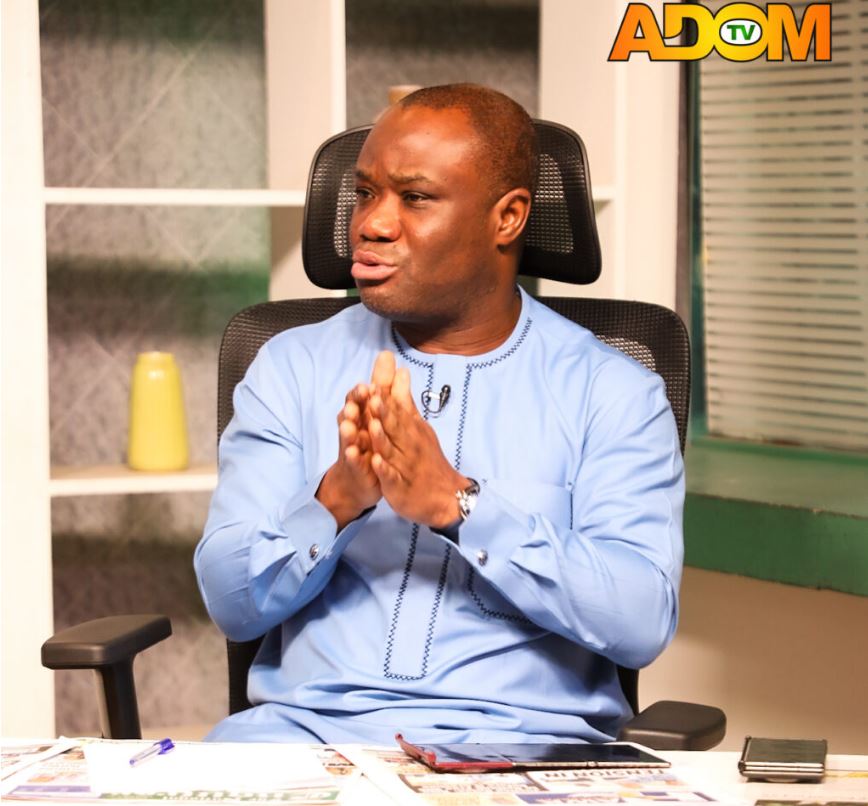
The ongoing indefinite strike by the Civil and Local Government Staff Association of Ghana (CLOGSAG) has sparked a call to action from the Deputy Ranking Member on Parliament’s Employment, Labour Relations, and Pensions Committee, Frank Asiedu Bekoe. As the strike continues to affect various sectors of the economy, Bekoe has urged the government to engage in honest and respectful discussions with CLOGSAG to resolve the impasse. The Suhum MP's plea for sincere dialogue comes at a time when the strike is entering its third week, with no end in sight.
According to Bekoe, the government must take a proactive approach to address the concerns of CLOGSAG members, who are demanding better working conditions, improved salaries, and other benefits. "The government cannot afford to ignore the plight of these workers, who are the backbone of our public service," Bekoe said in an interview. "We need to listen to their grievances and work together to find a solution that benefits everyone." Bekoe's comments were echoed by other stakeholders, who warned that the strike could have far-reaching consequences if not resolved quickly.
Impact of the Strike
The CLOGSAG strike has already started to take a toll on various sectors of the economy, including healthcare, education, and sanitation. Many public institutions have been forced to shut down or reduce their services, leaving thousands of Ghanaians without access to essential services.
"The strike is having a devastating impact on our economy and the lives of ordinary Ghanaians," said Dr. Kwame Addo, a labour expert at the University of Ghana. "We urge the government and CLOGSAG to put the interests of the nation first and work towards a speedy resolution."Addo's comments were supported by other experts, who warned that the strike could lead to a decline in investor confidence and a slowdown in economic growth.
Despite the challenges posed by the strike, Bekoe remains optimistic that a solution can be found through meaningful dialogue. "We need to create a platform where both parties can engage in open and honest discussions, without any preconditions or agendas," he said. "By working together, we can find a solution that addresses the concerns of CLOGSAG members and ensures the smooth functioning of our public services." Bekoe's call for dialogue has been supported by other MPs, who have urged the government to take a more proactive approach to addressing labour issues.
Politisation of Labour Issues
One of the major challenges facing the government and CLOGSAG is the politicisation of labour issues. According to Bekoe, the strike has been hijacked by politicians who are using it to score cheap points. "We need to depoliticise the issue and focus on finding a solution that benefits everyone," he said. "The strike is not about politics; it's about the welfare of our public servants and the smooth functioning of our public services." Bekoe's comments were supported by other stakeholders, who warned that the politicisation of labour issues could lead to further polarization and conflict.
As the strike continues, there are fears that it could lead to a breakdown in social services. Already, many public institutions are struggling to cope with the shortage of staff, and there are concerns that the situation could worsen if the strike is not resolved quickly.
"We are doing our best to keep our services running, but it's getting increasingly difficult," said Ama Owusu, a nurse at a public hospital in Accra. "We urge the government and CLOGSAG to find a solution quickly, before things get out of hand."Owusu's comments reflect the concerns of many public servants, who are caught in the middle of the dispute and are desperate for a resolution.
In conclusion, the Suhum MP's call for sincere dialogue on labour issues is a timely reminder of the need for meaningful engagement between the government and public servants. As the strike continues to affect various sectors of the economy, it is imperative that both parties put the interests of the nation first and work towards a speedy resolution. By doing so, we can ensure the smooth functioning of our public services and avoid a breakdown in social services. The future of Ghana's public service depends on it, and it is time for action, not words.