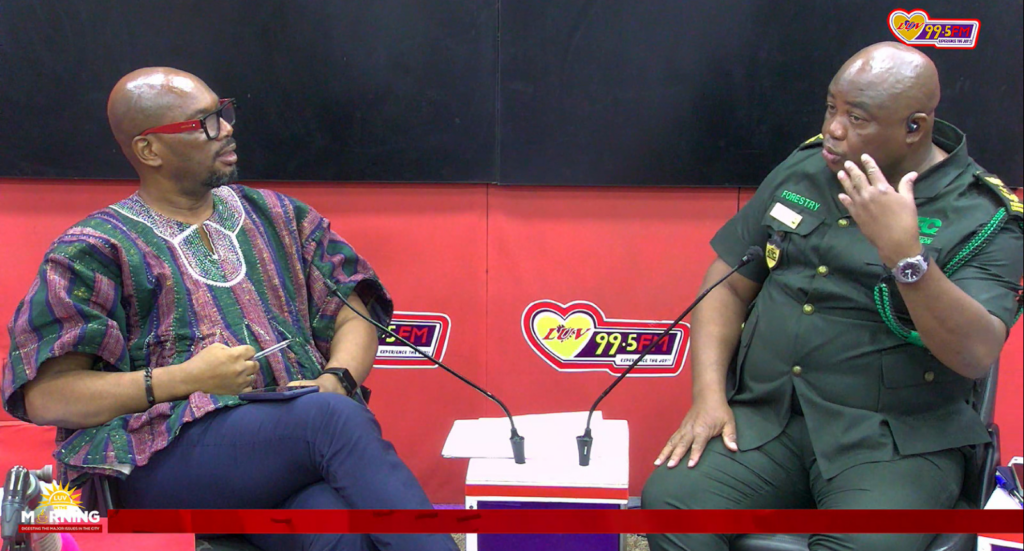
The ongoing strike by members of the Civil and Local Government Staff Association of Ghana (CLOGSAG) has sparked concerns among government officials and stakeholders, with warnings of potential irreversible losses for citizens who rely on government services. According to Yiadom Boakye Amponsah, Acting Managing Director of Blue Gold (FGR/Blue Gold), the strike could have far-reaching consequences for the public, emphasizing the need for a swift resolution to the impasse.
The CLOGSAG strike, which began in recent weeks, has already started to take a toll on various government services, including revenue collection, public health, and social services. With thousands of civil servants staying away from work, the impact is being felt across the country, leaving many citizens struggling to access essential services. As the strike continues, there are growing fears that the situation could escalate, leading to more severe consequences for the public. Amponsah cautioned that "the longer the strike persists, the more damage it will cause to the economy and the lives of ordinary Ghanaians."
Impact on Public Services
The strike has already resulted in significant disruptions to public services, with many government offices and departments closed or operating at reduced capacity. This has left many citizens frustrated and inconvenienced, particularly those who rely on government services for their daily lives.
"The strike is having a devastating impact on our operations, and we are finding it challenging to provide essential services to the public,"said Dr. Emmanuel Owusu, a senior official at the Ghana Health Service. As the situation continues to deteriorate, there are concerns that the strike could lead to a complete breakdown in public services, exacerbating the suffering of citizens.
According to experts, the strike could also have long-term consequences for the economy, particularly in terms of revenue collection. With many revenue collection points closed or operating at reduced capacity, the government is likely to lose significant revenue, which could impact its ability to fund essential public services. This could have a ripple effect on the entire economy, leading to reduced economic growth and increased poverty. As Amponsah noted, "the strike is not only affecting the public sector but also having a knock-on effect on the private sector, which is already struggling to cope with the challenges posed by the COVID-19 pandemic."
Call for Swift Resolution
As the situation continues to deteriorate, there are growing calls for a swift resolution to the impasse. Stakeholders, including government officials, civil society organizations, and the private sector, are urging the parties involved to return to the negotiating table and find a mutually acceptable solution.
"We need to find a way to resolve this dispute quickly, before it's too late,"said Nana Osei Bonsu, President of the Ghana Chamber of Commerce and Industry. The longer the strike persists, the more damage it will cause to the economy and the lives of ordinary Ghanaians. It is essential that the parties involved prioritize the interests of the public and work towards a swift resolution.
Meanwhile, the government has assured the public that it is committed to finding a solution to the dispute. According to a statement released by the Ministry of Employment and Labour Relations, the government is engaging with CLOGSAG leaders to find a mutually acceptable solution. The government has also urged the public to remain calm and patient, assuring them that it is working tirelessly to resolve the dispute. As Amponsah emphasized, "we need to work together to find a solution that benefits everyone, particularly the public, who are the ultimate victims of this strike."
Way Forward
As the situation continues to unfold, it is clear that a swift resolution to the dispute is essential to minimizing the damage caused by the strike. The government, CLOGSAG, and other stakeholders must work together to find a mutually acceptable solution that prioritizes the interests of the public. This will require compromise, flexibility, and a commitment to finding a solution that benefits everyone. As Dr. Owusu noted, "we need to put the interests of the public first and work towards a solution that ensures the continued provision of essential services."
In conclusion, the ongoing CLOGSAG strike has the potential to cause irreversible losses for the Ghanaian public, emphasizing the need for a swift resolution to the dispute. As the situation continues to deteriorate, it is essential that the parties involved prioritize the interests of the public and work towards a mutually acceptable solution. The fate of the public hangs in the balance, and it is up to the government, CLOGSAG, and other stakeholders to find a solution that benefits everyone. As Amponsah cautioned, "time is of the essence, and we must act quickly to prevent a complete breakdown in public services and mitigate the damage caused by the strike."