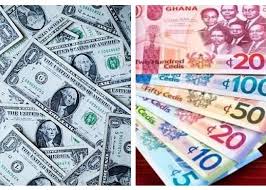

The Governor of the Bank of Ghana, in a significant move aimed at bolstering the country's economic resilience, has announced the implementation of measures designed to diversify the nation's foreign exchange reserves. This disclosure was made during a briefing to Parliament's Committee on Economy and Development in Accra, where the Governor led a technical team from the Bank of Ghana to present a detailed Monetary Policy Report.
The decision to diversify the reserves is seen as a strategic response to the evolving global economic landscape, marked by increased uncertainty and volatility. According to the Governor, diversification of reserves is critical for mitigating potential risks associated with dependence on a single currency or asset class. "In today's interconnected world, it's imperative that we adopt a proactive approach to managing our reserves. This not only enhances our ability to respond to external shocks but also positions us to capitalize on emerging opportunities," the Governor emphasized.
Background and Context
The Bank of Ghana's move to diversify its reserves comes at a time when many central banks around the world are reevaluating their reserve management strategies. The trend towards diversification is driven by the need to reduce exposure to any one particular currency, thereby minimizing the impact of fluctuations in global currency markets. As noted by Dr. Ama Pokuaa Fenny, an economist at the University of Ghana, "Diversifying reserves is a prudent move, especially considering the current geopolitical tensions and their potential impact on global trade and finance. It's a strategy that could help Ghana maintain a stable economy even in the face of external challenges."
The technical team from the Bank of Ghana provided a comprehensive overview of the Monetary Policy Report, highlighting key challenges facing the economy and the measures being taken to address them. The report underscored the importance of maintaining a stable macroeconomic environment, which is crucial for attracting foreign investment and promoting sustainable growth.
"We are committed to ensuring that our monetary policy framework remains robust and responsive to the changing economic conditions. The diversification of our reserves is a key component of this strategy, aimed at enhancing our economic stability and resilience,"the Governor stated.
Implications and Outlook
The decision to diversify the foreign exchange reserves is expected to have positive implications for Ghana's economy. By spreading risk across different asset classes and currencies, the country can better protect its reserves against potential losses due to currency fluctuations. Moreover, a diversified reserve base can provide the Bank of Ghana with greater flexibility in responding to economic challenges, including the ability to intervene in the foreign exchange market to stabilize the local currency if needed.
Experts believe that this move will also send a positive signal to investors, reinforcing confidence in Ghana's economic management and its commitment to maintaining a stable macroeconomic environment. According to Mr. Kwame Agyemang, a financial analyst, "The decision to diversify reserves demonstrates foresight and a proactive approach to risk management. It should enhance investor confidence and potentially lead to increased investment flows into the country."
In conclusion, the Bank of Ghana's decision to diversify its foreign exchange reserves marks a significant step in the country's economic management strategy. As the global economic landscape continues to evolve, Ghana's proactive approach to reserve management positions it well to navigate potential challenges and capitalize on opportunities. With a focus on stability, resilience, and sustainable growth, the future outlook for Ghana's economy appears promising, driven by prudent monetary policy decisions and a commitment to economic diversification and development.