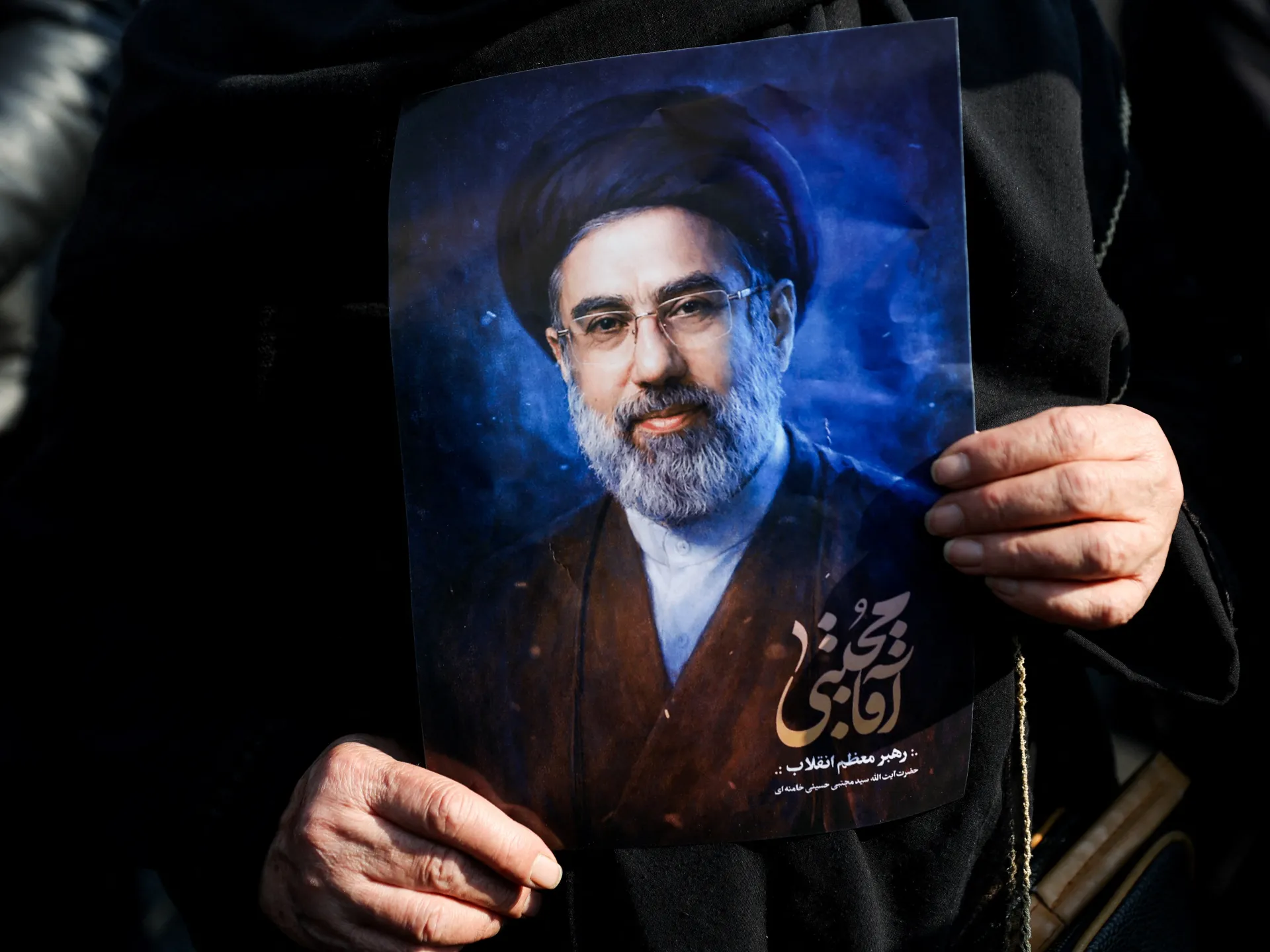
The international community is closely watching the developments in Iran following the appointment of Mojtaba Khamenei as the country's new supreme leader, a move that has sparked a mixture of reactions from various nations. The news has been met with support from some Middle Eastern countries, while others, including the United States and Israel, have expressed concerns and threatened to take action. The appointment of Mojtaba Khamenei, who is the son of the former supreme leader Ali Khamenei, is seen as a significant development in Iranian politics, with many analysts believing it will have far-reaching implications for the region and the world.
Regional Support
Oman, Iraq, and Yemen's Houthi rebels have been among the first countries to extend their support to the new Iranian supreme leader. In a statement, Omani Foreign Minister Badr Al-Busaidi said, "We welcome the appointment of Mojtaba Khamenei as the supreme leader of Iran and look forward to strengthening our bilateral relations." Similarly, Iraqi Prime Minister Mohammed Shia Al-Sudani expressed his congratulations to the people of Iran, saying, "We are committed to maintaining good relations with our neighbor and will continue to work together on issues of mutual interest." The Houthi rebels in Yemen also released a statement, praising the appointment and calling it a "victory for the resistance axis."
These supportive statements from regional countries are seen as a significant boost to Mojtaba Khamenei's leadership, as he begins to consolidate his power and establish his government. According to Dr. Sanam Vakil, a Middle East expert at the Chatham House think tank, "The support from Oman, Iraq, and the Houthis is crucial for Mojtaba Khamenei, as it gives him a sense of legitimacy and recognition from the region. This will help him to navigate the complex web of regional alliances and rivalries."
US and Israeli Concerns
In contrast, the United States and Israel have expressed strong concerns over the appointment of Mojtaba Khamenei, with both countries threatening to take action against Iran. US Secretary of State Antony Blinken said, "We are deeply concerned about the implications of Mojtaba Khamenei's appointment and will continue to work with our allies to counter Iran's malign activities." Israeli Prime Minister Benjamin Netanyahu also warned that his country would not tolerate any threats from Iran, saying, "We will do everything in our power to prevent Iran from becoming a nuclear power and will take all necessary measures to protect our national security."
These statements have sparked fears of a potential escalation in tensions between Iran and its adversaries, with many analysts warning of a possible conflict.
"The situation is highly volatile, and the appointment of Mojtaba Khamenei has added a new layer of complexity to the already fragile regional dynamics,"said Dr. Trita Parsi, the executive vice president of the Quincy Institute for Responsible Statecraft. "The US and Israel need to be careful not to overreact and should instead focus on finding a diplomatic solution to the crisis."
Global Implications
The appointment of Mojtaba Khamenei as Iran's supreme leader has significant implications for global politics, particularly with regards to the country's nuclear program and its relations with Western countries. The European Union has called for calm and restraint, with EU Foreign Policy Chief Josep Borrell saying, "We urge all parties to avoid any actions that could escalate the situation and instead work towards finding a peaceful resolution." China and Russia, two of Iran's key allies, have also expressed their support for the new supreme leader, with Chinese Foreign Minister Qin Gang saying, "We congratulate Mojtaba Khamenei on his appointment and look forward to strengthening our bilateral relations with Iran."
As the international community continues to watch the developments in Iran, many experts believe that the appointment of Mojtaba Khamenei marks a new era in Iranian politics, one that will be characterized by a more assertive and nationalist approach. Dr. Ali Ansari, a professor of Iranian history at the University of St Andrews, said,
"Mojtaba Khamenei's appointment is a significant development, as it marks a transition from the old guard to a new generation of leaders. This could lead to a more radical and uncompromising approach to foreign policy, which could have far-reaching consequences for the region and the world."
In conclusion, the appointment of Mojtaba Khamenei as Iran's supreme leader has sparked a mixture of reactions from the international community, with some countries expressing support and others threatening to take action. As the situation continues to unfold, it remains to be seen how the new supreme leader will navigate the complex web of regional and global alliances and rivalries. One thing is certain, however: the appointment of Mojtaba Khamenei marks a new era in Iranian politics, one that will have significant implications for the Middle East and the world.