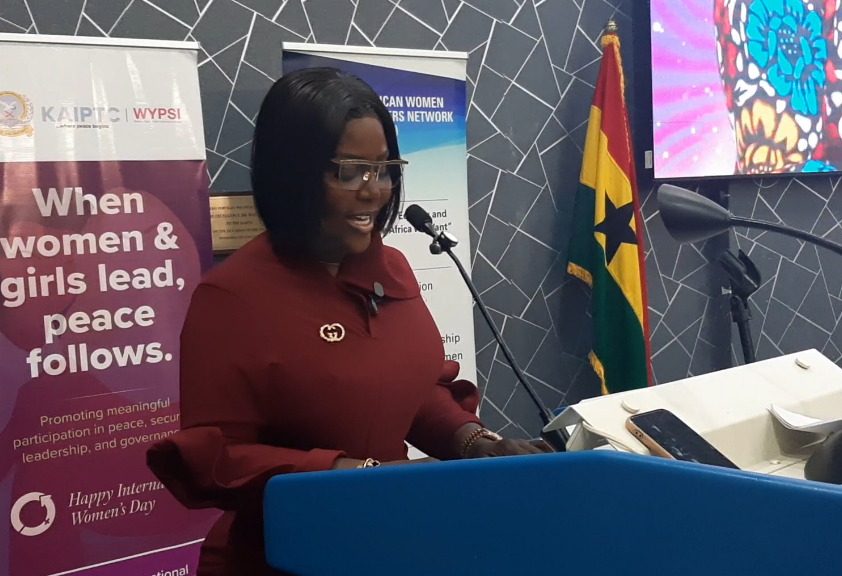
The Deputy Minister for Transport, Dorcas Affo-Toffey, has made a compelling case for increased investment in gender equality, emphasizing its critical role in driving national development and progress. Speaking at a recent gathering of transport sector stakeholders, Affo-Toffey stressed the need for a stronger national commitment to promoting gender equality, citing its numerous benefits for the economy, society, and individual well-being. According to the Deputy Minister, gender equality is not only a moral imperative but also a sound economic strategy that can unlock significant growth opportunities and improve living standards for all citizens.
Affo-Toffey's call to action comes at a time when many countries are grappling with the challenges of achieving gender parity in various sectors, including transport. Despite some progress in recent years, women remain underrepresented in key decision-making positions and face numerous barriers to equal participation in the workforce. The Deputy Minister argued that addressing these disparities is essential to creating a more inclusive and equitable society, where everyone has access to the same opportunities and resources. As she noted,
"Gender equality is not a women's issue, but a human issue that requires the collective efforts of all stakeholders to address."
The Business Case for Gender Equality
According to experts, investing in gender equality can have a significant impact on a country's economic performance. A study by the International Labor Organization (ILO) found that gender equality can increase GDP by up to 30% by boosting female participation in the workforce and promoting more efficient allocation of resources. Similarly, a report by the World Economic Forum (WEF) noted that companies with more diverse workforces tend to outperform their less diverse peers in terms of productivity, innovation, and profitability. As Dr. Ama Biney, a leading expert on gender and development, observed,
"The evidence is clear: gender equality is not only a moral imperative but also a sound business strategy that can drive growth, improve competitiveness, and enhance overall well-being."
In the transport sector, promoting gender equality can have numerous benefits, including improved safety, enhanced customer service, and increased access to employment opportunities. By recruiting and retaining more female talent, transport companies can tap into a broader pool of skills and perspectives, leading to better decision-making and more effective problem-solving. As Affo-Toffey pointed out,
"The transport sector is a critical enabler of economic growth and development, and promoting gender equality is essential to unlocking its full potential."
Breaking Down Barriers to Gender Equality
Despite the compelling business case for gender equality, many barriers remain, including social and cultural norms, lack of access to education and training, and discriminatory laws and practices. To address these challenges, Affo-Toffey called for a comprehensive approach that involves government, private sector, and civil society stakeholders. This includes implementing policies and programs to promote female participation in the workforce, providing training and capacity-building opportunities, and addressing the root causes of gender-based discrimination. As she emphasized,
"We need to work together to create a level playing field, where everyone has access to the same opportunities and resources, regardless of their gender or background."
Experts agree that breaking down barriers to gender equality requires a sustained and collective effort. As Dr. Biney noted,
"We need to move beyond rhetoric and take concrete actions to address the systemic and structural barriers that prevent women from participating fully in the economy and society."This includes strengthening laws and policies to promote gender equality, investing in education and training programs, and promoting cultural change through awareness-raising campaigns and community engagement. By working together, stakeholders can create a more inclusive and equitable society, where everyone has the opportunity to thrive and reach their full potential.
In conclusion, the Deputy Minister's call for greater investment in gender equality is a timely reminder of the critical role that this issue plays in driving national progress and development. By promoting gender equality, we can unlock significant economic, social, and human benefits, leading to a more prosperous, just, and equitable society for all. As Affo-Toffey emphasized,
"The time for action is now, and we must work together to create a brighter future, where everyone has access to the same opportunities and resources, regardless of their gender or background."By heeding this call to action, we can create a better world for ourselves, our children, and future generations, and ensure that the benefits of progress are shared by all.