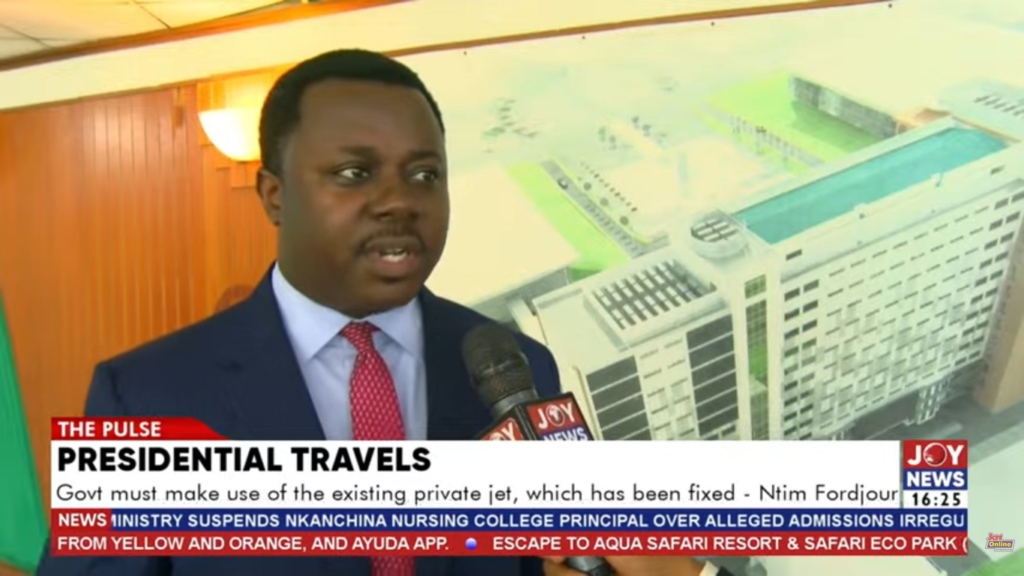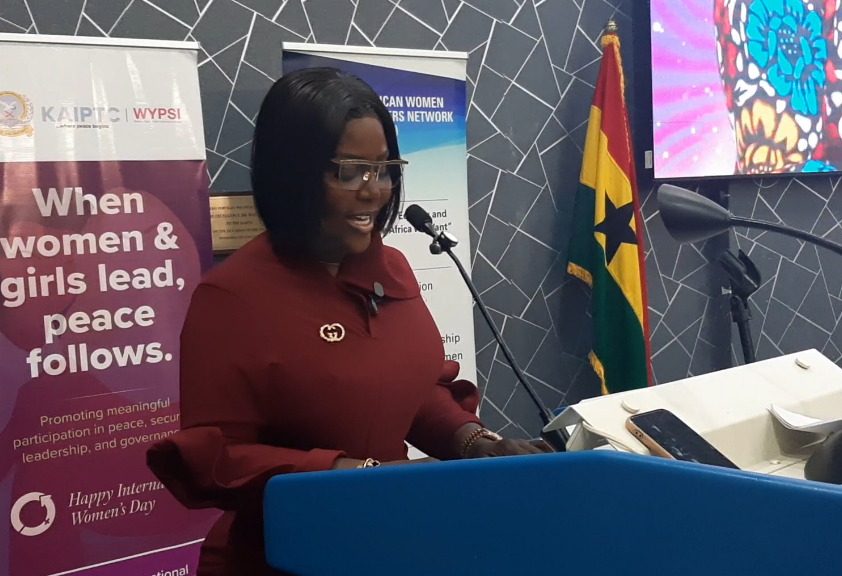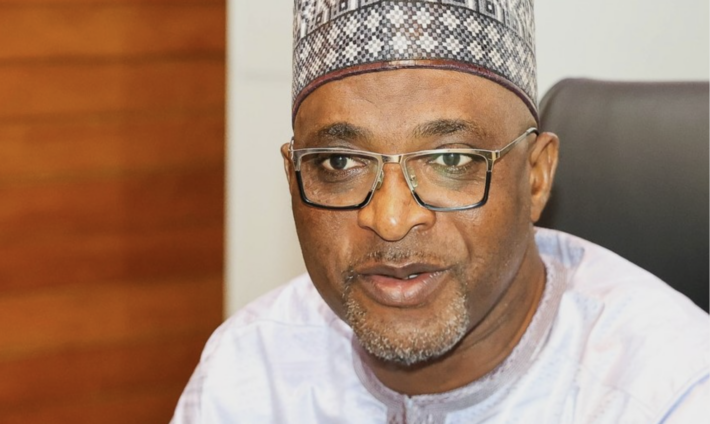

A significant move towards promoting transparency and accountability in Ghana's public sector has been made by Emmanuel Senyo Amekplenu, a member of the New Patriotic Party (NPP) communications team. Amekplenu has formally submitted a request to the Ghana Audit Service, seeking detailed information about its financial activities for the 2025 fiscal year under the Right to Information (RTI) Act. This request is poised to shed light on how public funds are being utilized by the Audit Service, a body crucial for ensuring fiscal discipline and transparency within the government.
Background and Significance
The RTI Act, enacted to facilitate access to information by citizens, is a powerful tool for promoting transparency and good governance. By invoking this act, Amekplenu aims to obtain a comprehensive breakdown of the Audit Service's expenditure for the year 2025. This includes, but is not limited to, details on operational costs, procurement practices, and any significant financial transactions. The move is seen as a step towards enhancing the accountability of public institutions, ensuring that they operate with the highest standards of transparency and integrity.
Experts in governance and public finance have welcomed Amekplenu's initiative, citing it as a positive example of civic engagement and the pursuit of transparency. According to Dr. Adelaide Kastner, a lecturer at the University of Ghana's School of Public Administration, "Such requests are essential for fostering a culture of openness and accountability within our public institutions. It allows citizens and stakeholders to understand how public resources are being managed and to hold institutions accountable for their actions."
"The Audit Service, being a key oversight body, must lead by example in terms of transparency. This request, therefore, is not only justified but also necessary for strengthening our democratic governance and ensuring that public funds are utilized efficiently and effectively,"said Dr. Kastner.
Implications and Expectations
The implications of Amekplenu's request are multifaceted. On one hand, it underscores the importance of the RTI Act as a tool for citizens to demand transparency and accountability from public institutions. On the other hand, it places a spotlight on the Audit Service, challenging it to demonstrate its commitment to transparency and good governance. The Audit Service, in response to the request, is expected to provide detailed and accurate information, as mandated by the RTI Act, within the stipulated timeframe.
Professor Stephen Owusu, a financial analyst, noted, "The Audit Service's response to this request will be closely watched. It will not only reflect on the Service's adherence to transparency principles but also set a precedent for how similar requests are handled in the future. The public expects a thorough and timely response, as anything less could raise concerns about the Service's willingness to be transparent."
Conclusion and Future Outlook
As Ghana continues on its path towards consolidating democracy and promoting good governance, initiatives like Amekplenu's request for detailed expenditure information from the Audit Service are crucial. They reflect a growing demand for transparency and accountability, values that are essential for the effective management of public resources and the delivery of public services. The outcome of this request will be eagerly anticipated, as it holds the potential to set a significant precedent for transparency and accountability in Ghana's public sector.
In the words of Amekplenu,
"This is about ensuring that our public institutions are transparent and accountable to the people. As a citizen and a member of the NPP communications team, I believe it is our duty to promote good governance and transparency. I look forward to the Audit Service's response and hope it will mark the beginning of a new era of openness and accountability in our public sector."The coming days will be critical in determining the response of the Audit Service and the broader implications of this request for transparency and governance in Ghana.