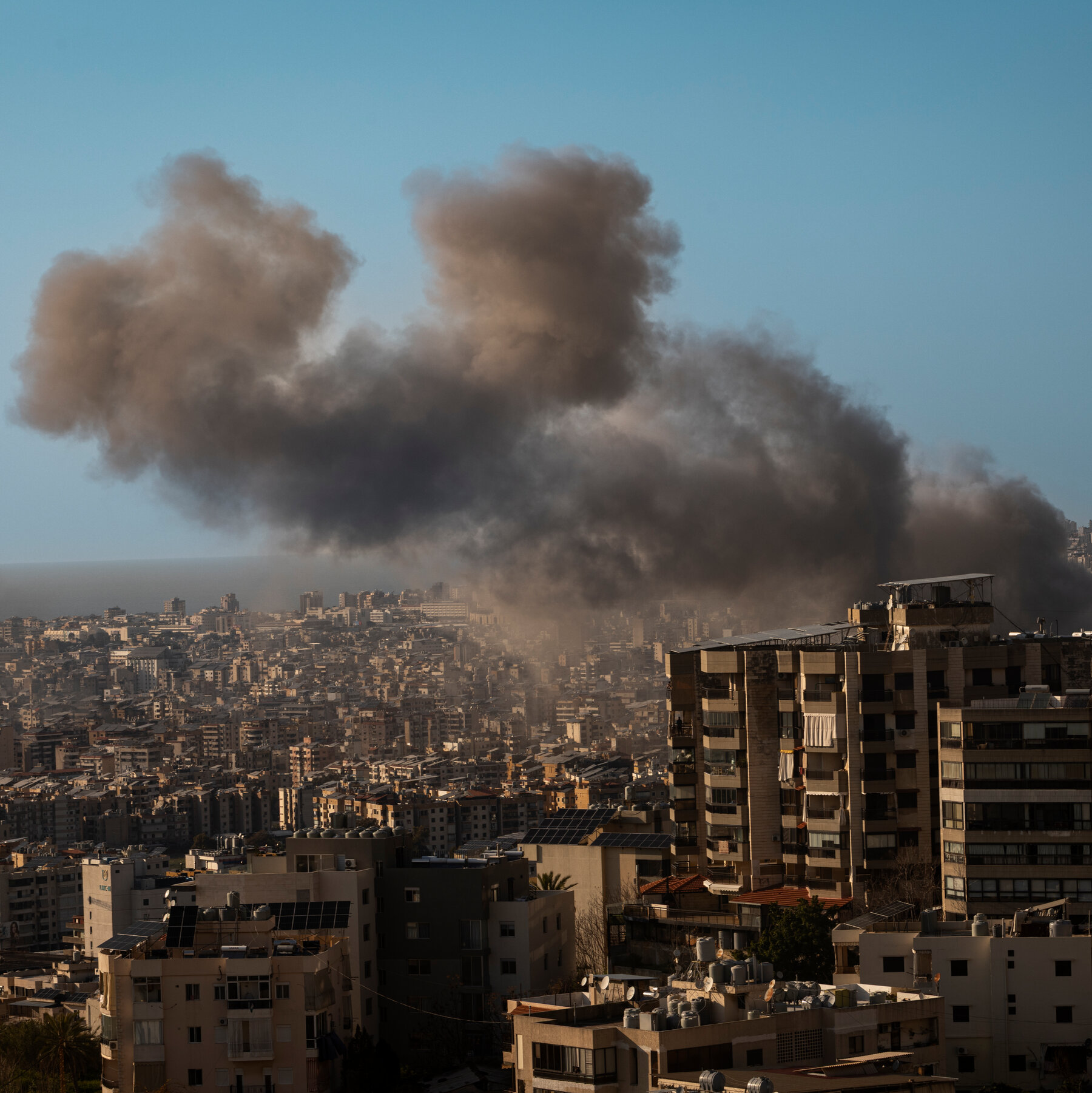
The United States has carried out a targeted strike against 16 Iranian mine-laying vessels operating near a critical oil route, marking a significant escalation in the ongoing conflict between the two nations. The strike, which was confirmed by Pentagon officials, is believed to have been aimed at disrupting Iran's ability to lay mines in the Strait of Hormuz, a vital waterway through which a significant portion of the world's oil passes.
According to Rear Admiral John Smith, a spokesperson for the U.S. Navy's Fifth Fleet, the strike was conducted in response to intelligence suggesting that Iranian forces were planning to lay mines in the strait. "We had credible evidence that the Iranians were preparing to lay mines in the Strait of Hormuz, which would have posed a significant threat to international shipping and the global economy," Admiral Smith said in a statement. "We took decisive action to neutralize that threat and protect the free flow of commerce in the region."
Background to the Conflict
The conflict between the United States and Iran began on February 28, when tensions between the two nations boiled over into violence. Since then, there have been numerous clashes between U.S. and Iranian forces, resulting in significant damage and loss of life. Dr. Maria Rodriguez, a Middle East expert at the Brookings Institution, noted that the conflict has been marked by a series of escalating incidents. "The situation in the region is extremely volatile, with both sides engaging in a series of provocative actions," Dr. Rodriguez said. "The strike against the Iranian mine-laying vessels is just the latest example of this escalation."
According to Pentagon officials, 140 American service members have been wounded in the conflict, with eight suffering severe injuries. The exact nature of these injuries has not been disclosed, but officials have confirmed that they are being treated at medical facilities in the region.
"We are deeply concerned about the welfare of our service members and are doing everything in our power to ensure they receive the best possible care," said Lt. Gen. Michael Johnson, a spokesperson for the Pentagon. "We will continue to take all necessary steps to protect our personnel and achieve our objectives in the region."
Implications of the Strike
The strike against the Iranian mine-laying vessels has significant implications for the region and the global economy. The Strait of Hormuz is a critical waterway, with over 20% of the world's oil passing through it every day. Any disruption to shipping in the strait could have far-reaching consequences, including higher oil prices and economic instability. Dr. Daniel Yergin, a energy expert at the Council on Foreign Relations, noted that the strike highlights the importance of the strait to the global economy. "The Strait of Hormuz is a vital artery of the global economy, and any disruption to shipping in the region could have significant consequences," Dr. Yergin said. "The U.S. and its allies must take all necessary steps to ensure the free flow of commerce in the region."
The strike also raises questions about the future of the conflict between the United States and Iran. With tensions between the two nations already running high, the attack on the Iranian mine-laying vessels is likely to further escalate the situation. Senator John McCain, a member of the Senate Armed Services Committee, called for calm and restraint in the region. "We must be careful to avoid further escalation in the region, while also ensuring that our interests are protected," Senator McCain said. "We will continue to work with our allies to find a peaceful resolution to the conflict, but we will not hesitate to take decisive action to defend our nation and our allies."
International Reaction
The international community has been quick to react to the strike, with many nations calling for calm and restraint in the region. United Nations Secretary-General António Guterres urged all parties to avoid further escalation and to seek a peaceful resolution to the conflict. "The situation in the region is extremely volatile, and we urge all parties to exercise restraint and to seek a peaceful resolution to the conflict," Secretary-General Guterres said. "We will continue to work with all parties to find a solution that promotes peace and stability in the region."
In conclusion, the U.S. strike against the Iranian mine-laying vessels marks a significant escalation in the conflict between the two nations. As the situation in the region continues to unfold, it is clear that the international community will be watching closely to see how events develop. With the global economy and regional stability hanging in the balance, it is imperative that all parties seek a peaceful resolution to the conflict and avoid further escalation. As Dr. Rodriguez noted, "The situation in the region is extremely volatile, and it will require careful diplomacy and restraint to avoid further conflict and to find a lasting solution to the crisis."