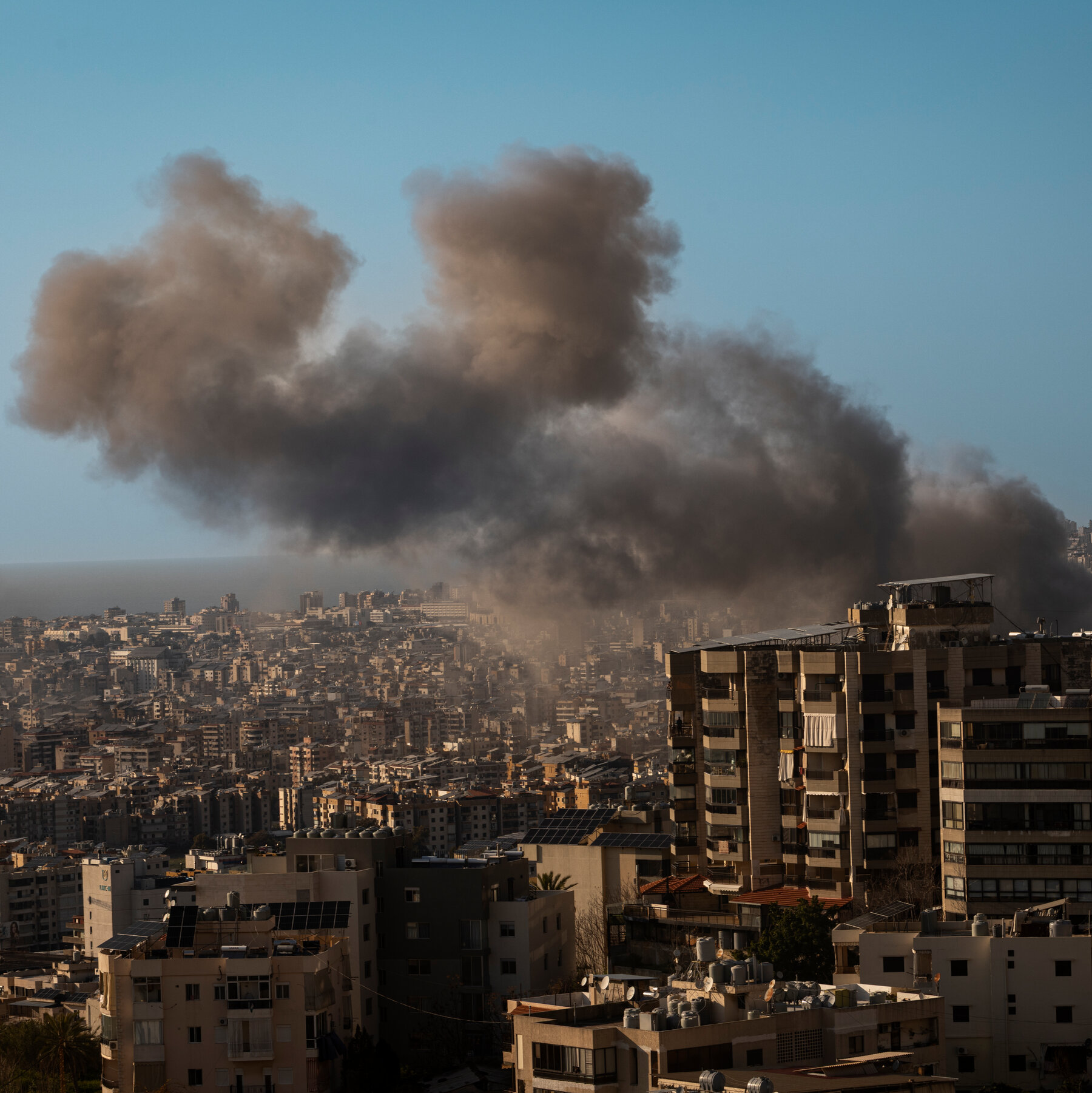
The recent attack on Ghanaian peacekeepers in Lebanon has sparked widespread condemnation, with the Minority Caucus in Parliament describing the incident as "deeply troubling and unacceptable under international law." The missile strike, reportedly carried out by Israeli forces, resulted in critical injuries to several Ghanaian peacekeepers stationed at a base of the United Nations Interim Force in Lebanon (UNIFIL). The incident has raised concerns about the safety and security of peacekeeping personnel in the region and has prompted calls for a full investigation into the circumstances surrounding the attack.
According to reports, the attack occurred on a UNIFIL base in southern Lebanon, where Ghanaian peacekeepers are deployed as part of the international peacekeeping mission. The Minority Caucus in Parliament has expressed outrage over the incident, with Minority Leader, Haruna Iddrisu, stating that "the attack on our peacekeepers is a serious breach of international law and a blatant disregard for the safety and security of personnel serving under the UN flag." Iddrisu added that "we demand a full and thorough investigation into the incident, and we expect those responsible to be held accountable for their actions."
International Law and Peacekeeping Missions
The attack on Ghanaian peacekeepers in Lebanon has raised questions about the application of international law in peacekeeping missions. Dr. Kwame Akuffo, a lecturer in international law at the University of Ghana, noted that "peacekeepers are protected under international law, and any attack on them is a serious breach of the laws of war." Dr. Akuffo added that "the incident highlights the need for a thorough investigation into the circumstances surrounding the attack, including the role of Israeli forces and the measures taken by the UN to protect its personnel."
"The attack on Ghanaian peacekeepers in Lebanon is a wake-up call for the international community to take a closer look at the safety and security of peacekeeping personnel in the region. We need to ensure that those responsible for the attack are held accountable, and that measures are taken to prevent such incidents from occurring in the future." - Ambassador Mary Quaye, former Ghanaian Ambassador to the United Nations
The Ghanaian government has also expressed concern over the incident, with Foreign Minister, Shirley Ayorkor Botchwey, stating that "the government is working closely with the UN and other international partners to investigate the incident and ensure that those responsible are held accountable." Botchwey added that "the safety and security of our peacekeepers is of utmost importance, and we will do everything in our power to protect them."
Regional Implications and International Cooperation
The attack on Ghanaian peacekeepers in Lebanon has regional implications, with potential consequences for peace and stability in the Middle East. Dr. John Kumah, a regional security expert, noted that "the incident highlights the need for increased international cooperation to address the security challenges facing the region." Dr. Kumah added that "the UN and other international organizations must work together to ensure that peacekeeping personnel are protected and that those responsible for attacks on them are held accountable."
In a statement, UNIFIL Spokesperson, Andrea Tenenti, condemned the attack on the peacekeepers, stating that "we are deeply concerned about the safety and security of our personnel, and we are working closely with the Ghanaian government and other international partners to investigate the incident." Tenenti added that "we will do everything in our power to ensure that those responsible for the attack are held accountable, and that measures are taken to prevent such incidents from occurring in the future."
The incident has also sparked a debate about the role of peacekeeping missions in conflict zones. Dr. Henrietta Mensa-Bonsu, a lecturer in conflict resolution at the University of Ghana, noted that "peacekeeping missions play a critical role in maintaining peace and stability in conflict zones, but they must be protected and supported by the international community." Dr. Mensa-Bonsu added that "the attack on Ghanaian peacekeepers in Lebanon highlights the need for increased support and resources for peacekeeping missions, including training, equipment, and logistical support."
Conclusion and Future Steps
In conclusion, the attack on Ghanaian peacekeepers in Lebanon is a serious incident that requires a thorough investigation and accountability. The Minority Caucus in Parliament has condemned the attack, and the Ghanaian government has expressed concern over the incident. The international community must come together to support peacekeeping missions and ensure that those responsible for attacks on peacekeepers are held accountable. As Ambassador Quaye noted, "the attack on Ghanaian peacekeepers in Lebanon is a wake-up call for the international community to take a closer look at the safety and security of peacekeeping personnel in the region." The incident highlights the need for increased international cooperation and support for peacekeeping missions, and it is imperative that the international community takes concrete steps to prevent such incidents from occurring in the future.