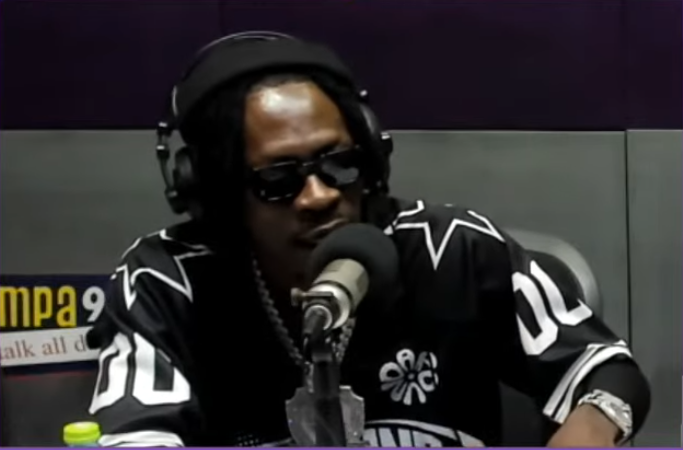
In a shocking turn of events, Ghanaian dancehall artiste Shatta Wale has expressed his interest in contesting the Ablekuma South parliamentary seat, provided the residents of the constituency call upon him to serve. According to sources close to the musician, Shatta Wale is adamant that he would only consider running as an independent candidate, should he decide to take the plunge into the world of politics.
The news has sent shockwaves throughout the Ghanaian political landscape, with many pundits and experts weighing in on the potential implications of a celebrity candidacy. Dr. Kwame Asante, a political analyst at the University of Ghana, notes that "while it is not uncommon for celebrities to venture into politics, Shatta Wale's decision to run as an independent candidate could be a game-changer in the Ablekuma South constituency." Asante adds, "as an independent candidate, Shatta Wale would not be beholden to any particular party's ideology or agenda, which could potentially appeal to voters who are disillusioned with the traditional party system."
Background and Context
Shatta Wale's interest in politics is not entirely new, as the artiste has been an outspoken advocate for social justice and community development in Ghana. However, his decision to consider running for public office has raised questions about the role of celebrities in politics and the potential impact on the electoral process.
"Celebrities can bring a level of excitement and energy to the political process, but it's essential to remember that holding public office is a serious business that requires a deep understanding of policy and governance,"says Madam Akua Dansua, a former Minister of Women and Children's Affairs. Dansua adds, "while Shatta Wale's popularity and charisma could be an asset on the campaign trail, it's crucial that he demonstrates a clear understanding of the issues affecting the Ablekuma South constituency and a viable plan to address them."
The Ablekuma South constituency is a highly contested seat, with a mix of urban and rural areas that present unique challenges and opportunities for development. The constituency is currently represented by Hon. Alfred Okoe Vanderpuije, a veteran politician with a strong track record of delivering infrastructure projects and social services. However, there are concerns about the level of engagement and representation among certain segments of the community, which Shatta Wale's candidacy could potentially capitalize on. Mr. Samuel Owusu-Agyei, a local resident and community leader, notes that "we need someone who can listen to our concerns and advocate for our interests in Parliament. If Shatta Wale is willing to put in the work and engage with the community, we could be open to supporting his candidacy."
Potential Implications and Challenges
While Shatta Wale's candidacy could bring a level of excitement and attention to the Ablekuma South constituency, there are also potential challenges and implications to consider. One of the primary concerns is the level of resources and support required to run a successful campaign, which could be a daunting task for an independent candidate. Mr. Kofi Bentil, a lawyer and political commentator, notes that "running as an independent candidate can be a costly and time-consuming endeavor, which could distract from the core issues and priorities of the campaign." Bentil adds, "it's essential that Shatta Wale demonstrates a clear understanding of the financial and logistical implications of running as an independent candidate and has a viable plan in place to mitigate these risks."
Another concern is the potential for celebrity politics to overshadow the substantive issues and policy debates that should be at the forefront of the electoral process. Dr. Ama Gyamera, a lecturer in political science at the University of Cape Coast, notes that "while celebrity candidacies can bring attention to important issues, they can also create a spectacle that distracts from the real challenges and opportunities facing the community." Gyamera adds, "it's essential that Shatta Wale and other celebrity candidates prioritize substance over spectacle and demonstrate a deep understanding of the policy issues and community needs that are at stake in the election."
In conclusion, Shatta Wale's interest in contesting the Ablekuma South parliamentary seat has sparked a lively debate about the role of celebrities in politics and the potential implications for the electoral process. While there are valid concerns and challenges to consider, there is also an opportunity for Shatta Wale to bring a fresh perspective and new energy to the political landscape. As the campaign season heats up, it will be essential to watch how Shatta Wale navigates the complex issues and priorities of the Ablekuma South constituency and whether he can translate his celebrity status into a viable and effective political candidacy. The Ghanaian public will be watching with keen interest as this story unfolds, and the potential consequences for the future of Ghanaian politics could be significant.