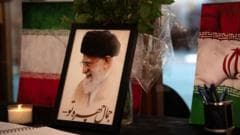
The months of planning behind the mission were marked by intense coordination and cooperation between US and Israeli forces, with both countries sharing intelligence and expertise to maximize the chances of success. As Dr. Michael Rubin, a Middle East expert at the American Enterprise Institute, noted, "The level of cooperation between the US and Israel on this mission is a testament to the strong alliance between the two countries and their shared commitment to countering Iranian aggression." The operation involved a range of assets, including advanced surveillance systems, cyber capabilities, and special operations forces, all of which were carefully coordinated to achieve the mission's objectives.
Intelligence Gathering and Operational Planning
The intelligence gathering process was a critical component of the mission, with US and Israeli agencies working together to gather and analyze information on the supreme leader's movements and security arrangements.
"The intelligence community worked tirelessly to provide real-time updates on the target's location and security posture, allowing us to adjust our plan accordingly,"said General David Petraeus, former Director of the CIA. The use of advanced technologies, including drones and satellites, enabled the joint team to gather detailed information on the compound and its surroundings, facilitating the planning and execution of the operation. As General Petraeus further noted, "The integration of multiple intelligence streams and the use of advanced analytics were key to the success of the mission."
The operational plan was carefully developed to minimize the risk of civilian casualties and avoid escalating the situation. The joint team conducted extensive simulations and rehearsals to ensure that all contingencies were accounted for, and that the mission could be executed swiftly and decisively. Dr. Rubin emphasized the importance of careful planning, stating that "The US and Israel have a long history of cooperation on counter-terrorism operations, and this mission demonstrates their ability to work together to achieve complex objectives." The use of special operations forces, who were trained to conduct high-risk missions, was also a critical factor in the success of the operation.
Implications and Reactions
The mission has significant implications for the region, with potential consequences for the balance of power in the Middle East. The Iranian government has vowed to retaliate against the US and Israel, while other countries in the region are watching the situation closely.
"The attack on the supreme leader's compound is a major escalation of the conflict between the US, Israel, and Iran, and it remains to be seen how the situation will unfold,"said Ambassador Dennis Ross, a former US envoy to the Middle East. The international community is urging restraint and calling for a peaceful resolution to the crisis, while the US and Israel are maintaining a high level of alertness and readiness to respond to any potential Iranian retaliation.
The mission has also raised questions about the role of intelligence in modern warfare, with some experts highlighting the importance of human intelligence and others emphasizing the value of advanced technologies. General Petraeus noted that "The combination of human and technical intelligence was critical to the success of the mission, and it demonstrates the importance of investing in a range of intelligence capabilities." As the situation continues to evolve, it is clear that the use of intelligence and advanced technologies will play a major role in shaping the outcome of the conflict.
In conclusion, the US-Israeli mission to target Iran's supreme leader was a complex and high-stakes operation that required months of meticulous planning and coordination. The success of the mission demonstrates the strength of the alliance between the US and Israel, as well as their shared commitment to countering Iranian aggression. As the situation in the region continues to unfold, it is likely that the US and Israel will remain vigilant and prepared to respond to any potential threats, while the international community urges restraint and calls for a peaceful resolution to the crisis. The use of intelligence and advanced technologies will continue to play a major role in shaping the outcome of the conflict, and it is likely that the US and Israel will continue to cooperate closely to address the challenges posed by Iran and other regional actors.