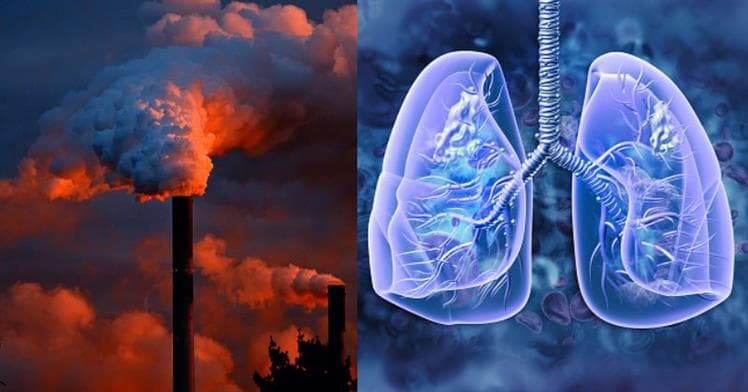
The SoGA report provides a detailed analysis of the impact of air pollution on Ghana's health sector, highlighting the shocking extent to which polluted air is contributing to the country's mortality rates. 39% of all stroke deaths in Ghana are linked to air pollution, while the same proportion applies to ischemic heart disease deaths. Furthermore, a staggering 66% of chronic obstructive pulmonary disease (COPD) deaths are attributable to polluted air. These statistics are a clear indication that air pollution is a major public health concern in Ghana, and one that requires immediate attention and action.
Air Pollution: A Major Public Health Concern
The World Health Organization (WHO) has long recognized air pollution as a major public health risk, and the SoGA report's findings are a sobering reminder of the importance of addressing this issue.
"Air pollution is a silent killer, and its effects are being felt across Ghana,"said Dr. Ama Frimpong, a public health expert at the University of Ghana.
"The fact that air pollution is responsible for at least a third of stroke, lung cancer, and neonatal deaths in Ghana is a wake-up call for all of us. We need to take action to reduce air pollution and protect the health of our citizens."Dr. Frimpong emphasized the need for a comprehensive approach to addressing air pollution, including policy changes, education, and community engagement.
The SoGA report's findings are based on a comprehensive analysis of data from a range of sources, including government statistics, research studies, and air quality monitoring systems. The report's authors used advanced modeling techniques to estimate the impact of air pollution on health outcomes in Ghana, and their findings provide a detailed picture of the scale and scope of the problem. Air pollution is not only a health issue, but also an economic one, with the report estimating that the economic burden of air pollution in Ghana is substantial, with significant costs associated with healthcare, lost productivity, and other impacts.
Causes and Consequences of Air Pollution
The causes of air pollution in Ghana are complex and multifaceted, reflecting a range of factors including industrial activities, vehicle emissions, and household air pollution. The burning of fossil fuels, such as coal, oil, and gas, is a major source of air pollution, while the use of solid fuels, such as charcoal and wood, for cooking and heating also contributes to the problem.
"We need to take a closer look at our energy mix and our transportation systems, and think about how we can reduce our reliance on polluting fuels,"said Kwame Owusu-Acheampong, a climate change specialist at the Ghana Environmental Protection Agency.
"This will require a coordinated effort from government, industry, and civil society, but the benefits will be well worth it."
The consequences of air pollution are far-reaching and devastating, affecting not only human health but also the environment and the economy. Air pollution can damage crops, harm wildlife, and contaminate water sources, while also reducing visibility, damaging infrastructure, and undermining quality of life. In Ghana, the impacts of air pollution are being felt across the country, from the bustling streets of Accra to the rural communities of the north. It is a problem that requires a national response, with policymakers, business leaders, and individuals all playing a critical role in reducing air pollution and promoting sustainable development.
Way Forward
The SoGA report's findings are a call to action, highlighting the need for urgent and sustained efforts to address air pollution in Ghana. This will require a range of strategies and interventions, from policy changes and education campaigns to community engagement and technological innovation.
"We need to work together to reduce air pollution and promote clean air and healthy environments,"said Dr. Frimpong.
"This will require a long-term commitment and a willingness to make tough choices, but the benefits will be well worth it."As Ghana looks to the future, it is clear that addressing air pollution will be critical to promoting sustainable development, protecting public health, and ensuring a high quality of life for all citizens.
In conclusion, the 2025 SoGA report's findings are a stark reminder of the deadly impact of air pollution in Ghana, and the need for urgent action to reduce this threat. Air pollution is a major public health concern that requires a comprehensive and coordinated response, with policymakers, business leaders, and individuals all playing a critical role in promoting clean air and healthy environments. As Ghana moves forward, it is clear that addressing air pollution will be essential to building a sustainable, equitable, and prosperous future for all.