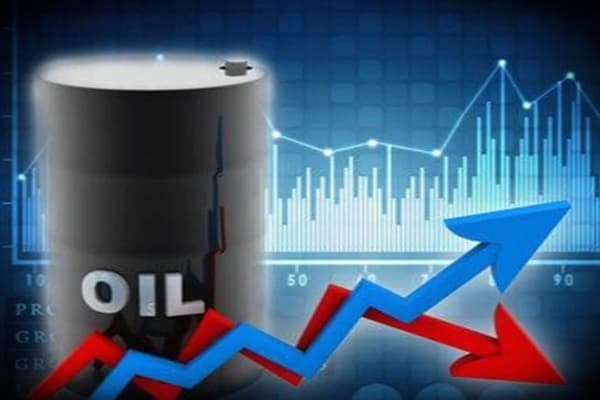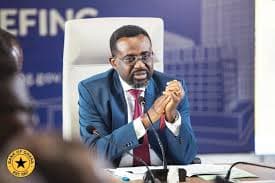
The BoG's concerns are rooted in the country's struggling revenue performance, which has failed to meet expectations in recent months. Weak tax collections and dwindling oil revenues have resulted in a significant shortfall in government revenue, making it increasingly difficult to finance critical public expenditures. "The revenue underperformance is a major concern for us, as it limits the government's ability to invest in key sectors such as infrastructure, education, and healthcare," said Dr. Ernest Addison, Governor of the Bank of Ghana. "We are working closely with the government to identify areas where revenue collection can be improved, and to implement policies that will boost economic growth and increase tax revenues."
Fiscal Pressures and Debt Sustainability
The pressures from compensation, particularly in the public sector, are also a significant concern for the BoG. High wage bills and pension obligations are straining the government's finances, making it challenging to allocate resources to other critical areas. The central bank has warned that if these pressures are not managed effectively, they could compromise the country's debt sustainability. "Debt sustainability is a critical issue for us, and we are working to ensure that the country's debt-to-GDP ratio remains within manageable limits," said Dr. Addison. "We are engaging with the government to develop a comprehensive debt management strategy that will help to mitigate the risks associated with high debt levels."
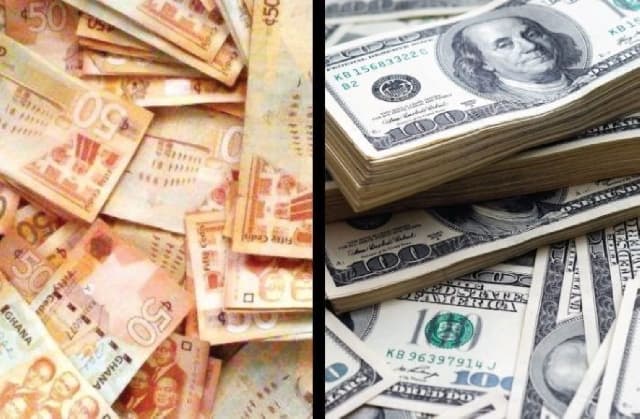
According to the MPR, the country's real growth rate is expected to remain modest in the short term, driven primarily by the services sector. However, the report notes that lower real interest rates and exchange rate stability will be crucial in supporting economic growth and achieving medium-term debt sustainability. "The exchange rate has been relatively stable in recent months, which is a positive development," said Mr. Joseph Abbey, a economist at a leading research firm. "However, we need to see a more significant decline in real interest rates to stimulate economic growth and increase access to credit for businesses and individuals."
"The current economic conditions require a delicate balance between fiscal prudence and monetary policy easing. We need to ensure that our policies are aligned with the government's fiscal objectives, while also supporting economic growth and stability." - Dr. Ernest Addison, Governor of the Bank of Ghana
Policy Recommendations
The BoG has recommended a range of policy measures to address the fiscal risks and support economic growth. These include improving tax administration, reducing waste and inefficiency in public expenditures, and implementing policies to boost private sector investment. The central bank has also emphasized the need for a comprehensive debt management strategy that will help to mitigate the risks associated with high debt levels. "We are committed to working with the government to develop policies that will support economic growth and stability," said Dr. Addison. "We believe that with the right policies in place, the country can achieve its medium-term debt sustainability objectives and ensure a positive outlook for the economy."
Looking ahead, the BoG's report suggests that the country's economic outlook remains uncertain, with significant risks to fiscal sustainability. However, with the right policy measures in place, the country can navigate these challenges and achieve its economic objectives. As the government and the central bank work to address the fiscal risks and support economic growth, it is clear that the next few months will be critical in determining the country's economic trajectory. The ability of policymakers to implement effective policies and manage the economy prudently will be crucial in shaping the country's economic future. As Dr. Addison noted, "We are committed to doing everything in our power to support economic growth and stability, and we are confident that with the right policies in place, the country can achieve its full potential."