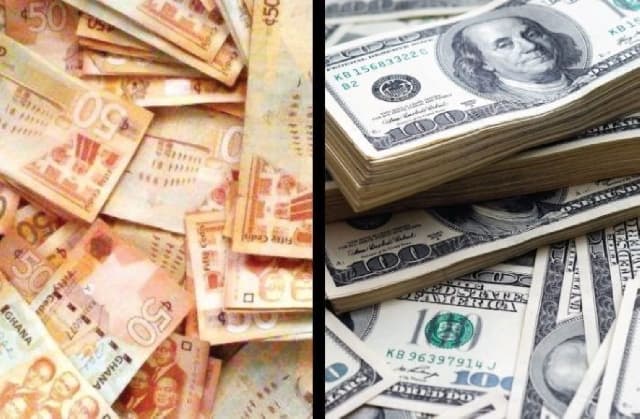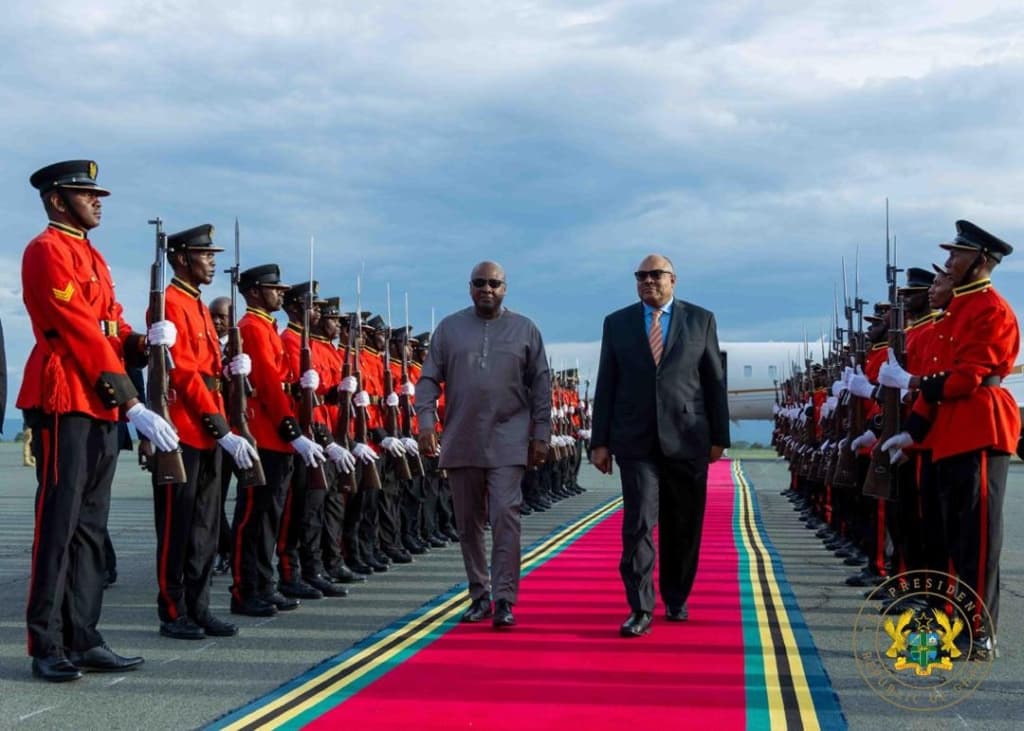
The projected current account surplus is a result of Ghana's careful management of its economy, including its export and import dynamics. The country has been working to increase its exports, particularly in the areas of gold, oil, and cocoa, while also implementing measures to reduce its import bill. This has resulted in a significant improvement in its trade balance, which is a key component of the current account. According to Dr. Ernest Addison, Governor of the Bank of Ghana, "The expected current account surplus is a reflection of our efforts to diversify our economy and reduce our dependence on imports. We are confident that this trend will continue, and we will work to build on this momentum to achieve even greater economic gains."
Economic Implications
The projected current account surplus is likely to have significant implications for Ghana's economy. A current account surplus means that the country is earning more from its exports than it is spending on imports, which can lead to an increase in foreign exchange reserves. This, in turn, can help to stabilize the exchange rate and reduce the country's vulnerability to external shocks.
"A current account surplus is a sign of a strong and resilient economy," said Mr. Ken Ofori-Atta, Ghana's Minister of Finance. "It shows that we are able to produce goods and services that are competitive in the global market, and that we are able to earn the foreign exchange we need to import the goods and services we require."
The expected surplus is also likely to attract the attention of investors, who are always on the lookout for economies with strong economic fundamentals. A current account surplus is seen as a sign of a country's ability to generate foreign exchange and service its debt, which can reduce the risk of investing in that country. According to Mr. Courage Martey, an economist at Databank Research, "The projected current account surplus is a testament to Ghana's economic resilience and its ability to navigate the complexities of the global economy. We expect this to attract the attention of investors, who will be looking to take advantage of the opportunities presented by Ghana's growing economy."
Challenges Ahead
While the projected current account surplus is a positive development, Ghana still faces significant challenges in its quest for economic growth and development. The country's economy is still heavily dependent on the export of primary commodities, which can make it vulnerable to fluctuations in global commodity prices. Additionally, the country's infrastructure, particularly in the areas of transportation and energy, is still underdeveloped, which can increase the cost of doing business and reduce the country's competitiveness. Dr. Joe Abbey, a lecturer at the University of Ghana, noted that "While the expected current account surplus is a positive development, we must not lose sight of the challenges that still lie ahead. We need to continue to work to diversify our economy, invest in our infrastructure, and develop our human capital if we are to achieve sustained economic growth and development."
Despite these challenges, Ghana has made significant progress in recent years, and the projected current account surplus is a testament to this progress. The country has implemented a range of reforms aimed at improving the business environment, increasing transparency, and reducing corruption. These reforms have helped to improve the country's ranking in the World Bank's Ease of Doing Business Index, which has made it more attractive to investors. According to Mr. Yoofi Grant, CEO of the Ghana Investment Promotion Centre, "Ghana is a country with immense potential, and we are working hard to create an environment that is conducive to business and investment. We are confident that the expected current account surplus will attract the attention of investors and help to drive economic growth and development."
Conclusion
In conclusion, the projected current account surplus of 3% of GDP in 2026 is a significant development for Ghana, and it reflects the country's efforts to strengthen its economy. While there are still challenges to be addressed, the expected surplus is a testament to the progress that has been made, and it is likely to attract the attention of investors and economists alike. As Dr. Addison noted, "We are confident that the expected current account surplus will help to drive economic growth and development, and we will continue to work to build on this momentum to achieve even greater economic gains." With its strong economic fundamentals and its commitment to reform, Ghana is well-positioned to take advantage of the opportunities presented by the global economy, and to achieve sustained economic growth and development in the years ahead.