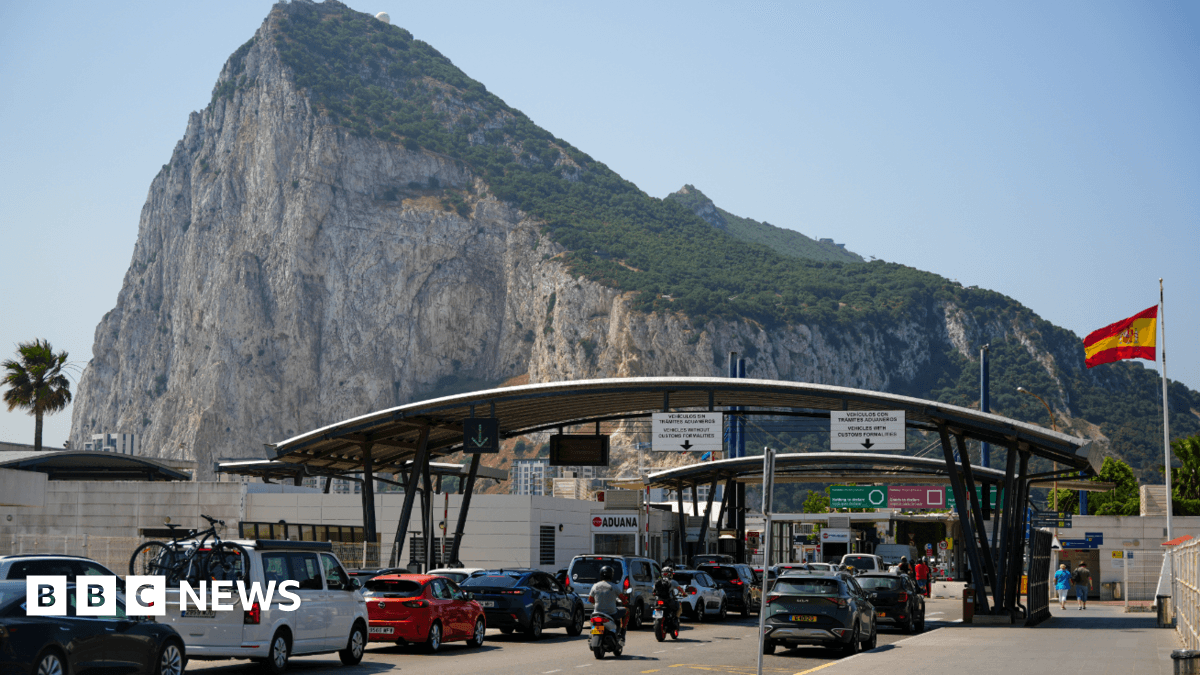
The introduction of this new system is designed to bring the border protocols between Gibraltar and Spain into line with the rest of the EU's external borders, following the UK's withdrawal from the bloc. According to María Jesús Sánchez, a spokesperson for the Spanish Ministry of the Interior,
"the new measures are intended to ensure the integrity and security of the EU's borders, while also facilitating the free movement of people and goods between Gibraltar and the EU."The move is seen as a critical step in implementing the UK-EU treaty that governs the relationship between the two entities post-Brexit.
Implementation and Logistics
The enhanced border checks will involve two separate passport control points, one operated by the UK authorities and the other by their Spanish counterparts. Travellers will first present their passports to UK officials, who will conduct an initial check to verify the individual's right to enter Gibraltar. Following this, passengers will then proceed to a second control point, where Spanish authorities will perform a additional check to confirm the traveller's eligibility to enter the EU.
Experts believe that the introduction of this two-stage process may lead to some delays, particularly during peak travel periods. However, officials are keen to stress that the new system has been designed to be as efficient as possible, with the aim of minimizing disruption to travellers. As noted by John Lester, a senior official at the Gibraltar Government,
"we have worked closely with our Spanish counterparts to ensure that the new border arrangements are implemented in a way that balances the need for enhanced security with the need for smooth and efficient travel."
Impact on Travel and Trade
The introduction of the new border regime is likely to have significant implications for travellers and businesses operating in the region. While the enhanced security checks may cause some initial disruption, many observers believe that the long-term benefits of the new system will outweigh any short-term inconvenience. As explained by José Carlos Manuel, a local business leader,
"the new border deal provides a much-needed degree of clarity and certainty for businesses operating in Gibraltar, and will help to facilitate the continued growth and development of our economy."The new arrangements are also expected to have a positive impact on trade between Gibraltar and the EU, with the introduction of more streamlined and efficient customs procedures.
Despite these potential benefits, some concerns have been raised about the impact of the new border regime on the free movement of people between Gibraltar and Spain. Under the terms of the UK-EU treaty, Gibraltar is not part of the EU's Schengen area, and the new border checks may lead to increased waiting times for commuters and other travellers. However, officials are keen to emphasize that the new system has been designed to be as flexible as possible, with provisions in place to facilitate the rapid processing of frequent travellers and other eligible individuals.
Conclusion and Future Outlook
In conclusion, the introduction of enhanced border checks on travellers arriving in Gibraltar marks an important development in the implementation of the post-Brexit border deal between the UK and EU. While the new system may cause some initial disruption, it is expected to provide a range of long-term benefits for travellers, businesses, and the local economy. As the new border regime beds in, it will be important to monitor its impact and make any necessary adjustments to ensure that it continues to meet the needs of all stakeholders. According to María Jesús Sánchez,
"the Spanish Government is committed to working closely with the UK and Gibraltar authorities to ensure the smooth implementation of the new border arrangements, and to address any issues that may arise."As the relationship between the UK, EU, and Gibraltar continues to evolve, it is likely that the new border regime will play a critical role in shaping the future of the region.