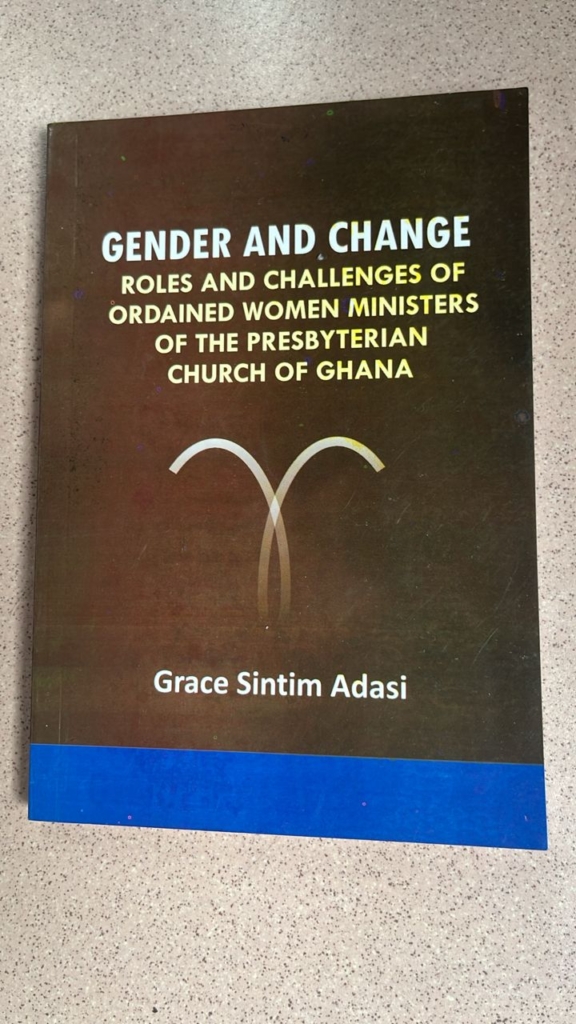
Rev Dr Grace Sintim Adasi, a renowned theologian and ordained minister, is making significant strides in promoting women’s leadership within faith-based institutions in Ghana and beyond. As a Senior Research Fellow at the Institute of African Studies, University of Ghana, she is leveraging her expertise in scholarship, pastoral experience, and public engagement to advocate for inclusive institutional transformation. Her tireless efforts have sparked a renewed conversation on the importance of women’s leadership in shaping the future of faith-based institutions.
According to Dr. Adelaide Owusu-Addo, a colleague of Rev Dr Adasi at the University of Ghana, "Rev Dr Adasi's work is a game-changer in the context of faith-based institutions. Her commitment to promoting women’s leadership is unwavering, and her approach is characterized by a deep understanding of the complexities and nuances of the issue." Dr. Owusu-Addo added, "Her ability to bring together scholarship, pastoral experience, and public engagement has made her a trusted voice in the conversation on women’s leadership in faith-based institutions."
Background and Context
Rev Dr Adasi's journey to becoming a champion of women’s leadership in faith-based institutions is rooted in her own experiences as a theologian and ordained minister. Her academic background and research interests have equipped her with a unique understanding of the challenges and opportunities facing women in faith-based institutions. As she noted in a recent interview, "My passion for promoting women’s leadership stems from my conviction that women have a critical role to play in shaping the future of faith-based institutions. It is imperative that we create spaces for women to lead, to contribute, and to participate in decision-making processes that shape the direction of these institutions."
"The absence of women in leadership positions in faith-based institutions is a missed opportunity for these institutions to tap into the diverse perspectives, experiences, and skills that women bring to the table. It is our collective responsibility to create an environment that is conducive to women’s leadership and empowerment,"said Rev Dr Adasi. Her words underscore the importance of addressing the systemic barriers that hinder women’s participation in leadership positions within faith-based institutions.
Advocacy and Impact
Rev Dr Adasi's advocacy for women’s leadership in faith-based institutions has been marked by a series of significant milestones. She has been instrumental in organizing conferences, workshops, and training programs aimed at empowering women to take on leadership roles within these institutions. Her efforts have also led to the establishment of networks and platforms that provide women with opportunities for mentorship, support, and collaboration. As Bishop James Kwaku Amponsah, a prominent faith leader, noted, "Rev Dr Adasi's work has been instrumental in raising awareness about the importance of women’s leadership in faith-based institutions. Her commitment to this cause is inspiring, and her impact is being felt across the continent."
Rev Dr Adasi's impact extends beyond the faith community, as her work has also informed policy discussions and initiatives aimed at promoting women’s leadership in other sectors. Her research and expertise have been sought by governments, civil society organizations, and the private sector, underscoring the relevance and applicability of her work. As Dr. Akua Ofori-Amanfo, a leading expert on women’s empowerment, observed, "Rev Dr Adasi's work is a testament to the power of scholarship and activism in driving social change. Her dedication to promoting women’s leadership in faith-based institutions is an inspiration to us all, and her impact will be felt for generations to come."
Looking Ahead
As Rev Dr Adasi continues to champion women’s leadership in faith-based institutions, her focus is on sustaining the momentum and energy that has been generated by her work. She is committed to building on the progress that has been made, while also addressing the challenges and obstacles that remain. As she looks to the future, Rev Dr Adasi is optimistic about the potential for women’s leadership to transform faith-based institutions and the broader society. In her words,
"The future of faith-based institutions depends on our ability to create inclusive and equitable spaces for women to lead, to contribute, and to participate. I am committed to continuing this work, and I am excited about the possibilities that lie ahead."
In conclusion, Rev Dr Grace Sintim Adasi is a trailblazer in the quest for women’s leadership in faith-based institutions. Her tireless advocacy, scholarship, and pastoral experience have made her a leading voice in this conversation. As we look to the future, it is clear that her work will continue to inspire and empower women to take on leadership roles, shaping the future of faith-based institutions and beyond. The impact of her work will be felt for generations to come, and her legacy will serve as a testament to the power of dedication, hard work, and a commitment to creating a more just and equitable society.