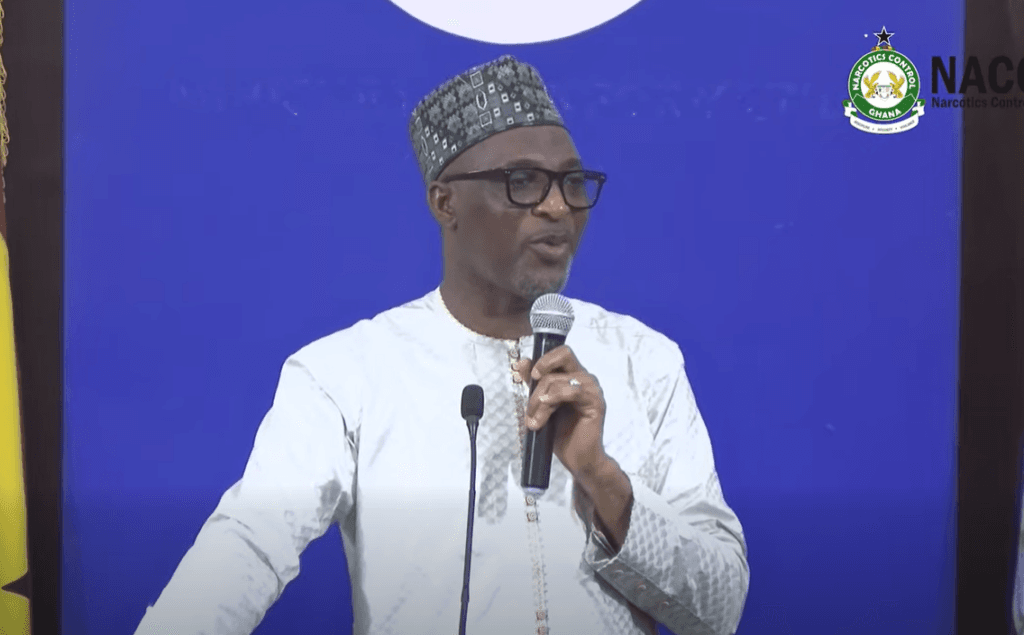
The introduction of a legal framework for medicinal and industrial cannabis in Ghana has sparked debates about the potential for recreational use. However, according to Minister Mohammed-Mubarak, the laws governing cannabis use in the country are clear and distinct. "We understand that the introduction of a legal framework for medicinal and industrial cannabis may have raised expectations about the possibility of recreational use," he said. "However, we must emphasize that the laws are in place to protect the public, and any form of recreational use is still considered a serious offense."
Medicinal and Industrial Cannabis: A New Frontier
The Ghanaian government's decision to introduce a legal framework for medicinal and industrial cannabis is seen as a significant step forward for the country's economy and healthcare sector. The new framework allows for the cultivation, processing, and distribution of cannabis for medical and industrial purposes, under strict regulations. This move is expected to create new opportunities for businesses, farmers, and researchers, while also providing relief to patients who rely on cannabis for medical treatment.
According to Dr. Ama Pomaa Boateng, a researcher at the University of Ghana, the introduction of a legal framework for medicinal cannabis is a welcome development. "Cannabis has been shown to have significant medicinal benefits, particularly in the treatment of chronic pain, epilepsy, and other conditions," she said. "With the right regulations in place, we can ensure that patients have access to safe and effective treatment options, while also promoting research and development in the field."
Recreational Use: A Different Story
While the medicinal and industrial cannabis industry is poised for growth, the government's stance on recreational use remains firm. Minister Mohammed-Mubarak emphasized that the laws governing cannabis use are in place to protect the public, particularly young people, from the potential harms of the substance. "We recognize that cannabis can have negative effects on mental and physical health, particularly when used recreationally," he said. "As a responsible government, we have a duty to protect our citizens, especially our youth, from the potential risks associated with cannabis use."
"The message is clear: recreational use of cannabis is still illegal, and those found guilty will face the full force of the law," said Superintendent Alexander Obeng, a spokesperson for the Ghana Police Service. "We will continue to enforce the laws and educate the public about the dangers of recreational cannabis use."
Experts agree that the government's approach to cannabis regulation is a balanced one, taking into account the potential benefits of medicinal and industrial cannabis while also addressing concerns about recreational use. Professor Kwame Agyei, a criminologist at the University of Cape Coast, noted that the key to successful regulation is striking a balance between public health and public safety. "The government's approach is a sensible one, recognizing the potential benefits of cannabis while also protecting the public from harm," he said. "It's a complex issue, but with the right regulations and education, we can minimize the risks and maximize the benefits."
Looking Ahead
As Ghana navigates the complex landscape of cannabis regulation, the government's emphasis on public education and awareness is likely to play a crucial role in shaping public attitudes and behaviors. With the medicinal and industrial cannabis industry poised for growth, and the laws governing recreational use remaining in place, the country is likely to see a period of significant change and adjustment. As Minister Mohammed-Mubarak noted, "We will continue to monitor the situation and adjust our policies as needed, always with the goal of protecting the public and promoting the well-being of our citizens."
In conclusion, the Ghanaian government's stance on recreational cannabis use is clear: it remains a criminal offense, despite the introduction of a legal framework for medicinal and industrial cannabis. As the country moves forward, it is likely that the debate around cannabis regulation will continue, with advocates on all sides pushing for their perspectives to be heard. However, for now, the government's message is unequivocal: recreational cannabis use is still against the law, and those who engage in it will face the consequences. As the country looks to the future, one thing is certain: the regulation of cannabis will remain a complex and contentious issue, requiring careful consideration and nuanced policy-making.