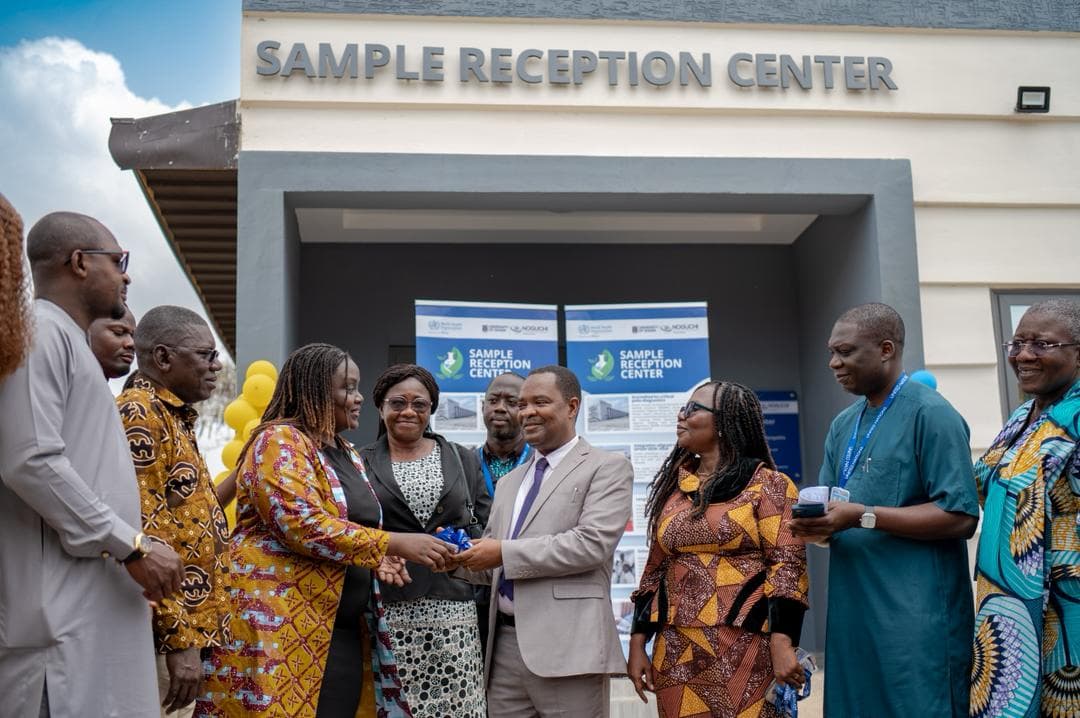

The improvement in maternal healthcare is a notable achievement, with the district reporting a significant reduction in maternal mortality rates over the past year. This is attributed to the implementation of various initiatives aimed at enhancing healthcare delivery for pregnant women, including the expansion of antenatal care services and the training of healthcare workers in emergency obstetric care. Dr. Ama Owusu, a maternal health expert at the Ghana Health Service, noted that "the reduction in maternal mortality rates is a testament to the hard work and dedication of our healthcare workers, who have worked tirelessly to provide quality care to pregnant women in the district."
Challenges in Non-Communicable Diseases
Despite the gains in maternal healthcare, the district is facing significant challenges in addressing the rising cases of NCDs such as hypertension and diabetes. According to the district's health directorate, the number of reported cases of these diseases has increased substantially over the past year, with many cases going undiagnosed or untreated. Dr. Kwame Frimpong, a public health specialist, warned that "the rise in NCDs is a major concern, as these diseases can have devastating consequences if left unmanaged. We need to intensify our efforts to promote healthy lifestyles, improve access to healthcare services, and enhance our capacity to diagnose and treat these diseases."
The district's health directorate has attributed the rise in NCDs to a combination of factors, including poor diet, lack of physical activity, and limited access to healthcare services. The directorate has launched initiatives aimed at promoting healthy lifestyles, including public education campaigns and the establishment of community-based health programs. However, more needs to be done to address the root causes of these diseases and to provide adequate care and support to those affected.
The HIV Challenge
The district is also grappling with an increase in HIV cases, with the number of reported cases rising over the past year. The district's health directorate has attributed this rise to a combination of factors, including low levels of awareness about HIV prevention and treatment, as well as limited access to healthcare services.
"We are concerned about the rise in HIV cases, as it poses a significant threat to the health and well-being of our communities," said Madam Akua Danso, the district's HIV/AIDS coordinator. "We need to intensify our efforts to promote HIV prevention, improve access to testing and treatment, and reduce stigma and discrimination against people living with HIV."
The district's health directorate has launched initiatives aimed at addressing the HIV challenge, including public education campaigns, the establishment of community-based HIV testing and counseling services, and the provision of antiretroviral therapy to those living with HIV. However, more needs to be done to address the root causes of the rise in HIV cases and to provide adequate care and support to those affected.
Way Forward
Despite the challenges facing the district, there are opportunities for improvement. The district's health directorate has committed to intensifying its efforts to address the rise in NCDs and HIV cases, while building on the gains made in maternal healthcare. Dr. Bernard Badu Bediako, the District Health Director, noted that "we are committed to providing quality healthcare services to our communities, and we will work tirelessly to address the challenges facing us. We call on all stakeholders, including community leaders, healthcare workers, and development partners, to join us in this effort to improve the health and well-being of our people."
In conclusion, the Amansie West District has made significant progress in improving maternal healthcare, but faces significant challenges in addressing the rise in NCDs and HIV cases. To address these challenges, the district's health directorate will need to work closely with all stakeholders to promote healthy lifestyles, improve access to healthcare services, and enhance its capacity to diagnose and treat diseases. With commitment, dedication, and the right strategies, it is possible to improve the health and well-being of the people of Amansie West District, and to create a brighter future for all. As Dr. Ama Owusu noted, "the future of our healthcare system depends on our ability to work together to address the challenges facing us, and to provide quality care to those who need it most."