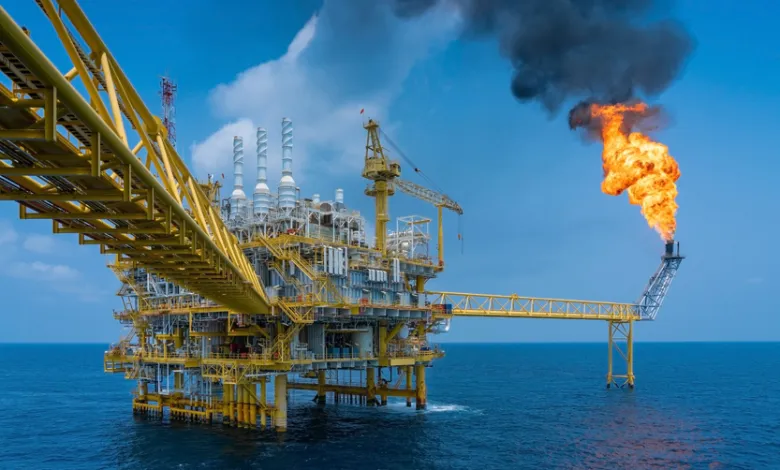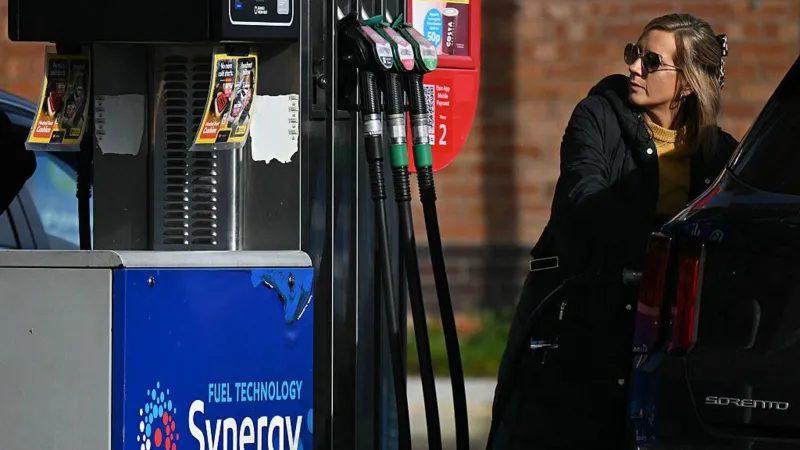
The recent surge in crude oil prices has sparked concerns that fuel prices across West Africa, particularly in Ghana, could skyrocket if the trend continues. With crude oil prices hovering near the $100 per barrel mark, industry experts warn that the region may soon face significant fuel price shocks. According to James Gooder, vice president for crude markets in Europe and Africa at Argus Media, the current market instability could have far-reaching consequences for the region's energy sector.
The oil market has been on edge in recent days due to fears of a potential conflict involving Iran, Israel, and the United States, which could disrupt shipping and further drive up prices. This volatility has already led to a significant increase in crude oil prices, and if the trend continues, it could have a devastating impact on the region's economy. "The current situation is a perfect storm for higher fuel prices," said Dr. Kwame Owusu, a Ghanaian energy expert. "If crude oil prices continue to rise, we can expect to see a significant increase in fuel prices across the region, which will have a ripple effect on the entire economy."
Market Transparency Gaps Exacerbate the Problem
One of the major concerns for West Africa is the lack of transparency in the oil market, which makes it difficult for regulators to anticipate and respond to price shocks.
"The opacity of the oil market in West Africa makes it challenging for us to predict price movements and take proactive measures to mitigate the impact of price shocks,"said Ama Pomaa, a spokesperson for the Ghanaian Ministry of Energy. The lack of transparency also creates an environment conducive to price manipulation, which can further exacerbate the problem. Experts warn that the region's energy sector is particularly vulnerable to price manipulation due to the lack of robust regulatory frameworks.
The situation is further complicated by the fact that many West African countries, including Ghana, rely heavily on imported fuel to meet their energy needs. This makes them highly susceptible to fluctuations in global oil prices. According to Dr. Owusu, "Ghana's reliance on imported fuel makes it difficult for the country to shield itself from the impact of global price shocks. The government needs to diversify the country's energy mix and invest in renewable energy sources to reduce our dependence on imported fuel."
Regional Implications
The potential fuel price shocks in West Africa have significant implications for the region's economy. Higher fuel prices could lead to increased transportation costs, which would have a ripple effect on the entire economy. This could lead to higher prices for goods and services, which would disproportionately affect the poor and vulnerable segments of the population.
"The poor are always the hardest hit by fuel price increases,"said Abdul-Rahman Sulemana, a Ghanaian economist. "The government needs to take proactive measures to mitigate the impact of fuel price shocks on the poor and vulnerable."
In addition to the economic implications, the potential fuel price shocks also have significant social implications. Higher fuel prices could lead to increased poverty and inequality, which could further exacerbate social tensions in the region. According to Dr. Owusu, "The government needs to take a comprehensive approach to addressing the issue of fuel price shocks, including investing in renewable energy sources, improving energy efficiency, and implementing social protection programs to mitigate the impact on the poor and vulnerable."
Way Forward
To mitigate the impact of fuel price shocks, West African countries, including Ghana, need to take proactive measures to diversify their energy mix and reduce their dependence on imported fuel. This could involve investing in renewable energy sources, such as solar and wind power, as well as improving energy efficiency. According to Ama Pomaa, "The government is committed to diversifying the country's energy mix and reducing our dependence on imported fuel. We are exploring various options, including renewable energy sources, to ensure that we are better equipped to handle future price shocks."
In conclusion, the recent surge in crude oil prices has sparked concerns that fuel prices across West Africa, particularly in Ghana, could skyrocket if the trend continues. The region's lack of transparency in the oil market, heavy reliance on imported fuel, and limited regulatory frameworks make it highly susceptible to price shocks. It is essential for West African countries to take proactive measures to mitigate the impact of fuel price shocks, including diversifying their energy mix, improving energy efficiency, and implementing social protection programs to protect the poor and vulnerable. As Dr. Owusu noted, "The time to act is now, and we must work together to ensure that the region is better equipped to handle future price shocks and create a more sustainable energy future for all."