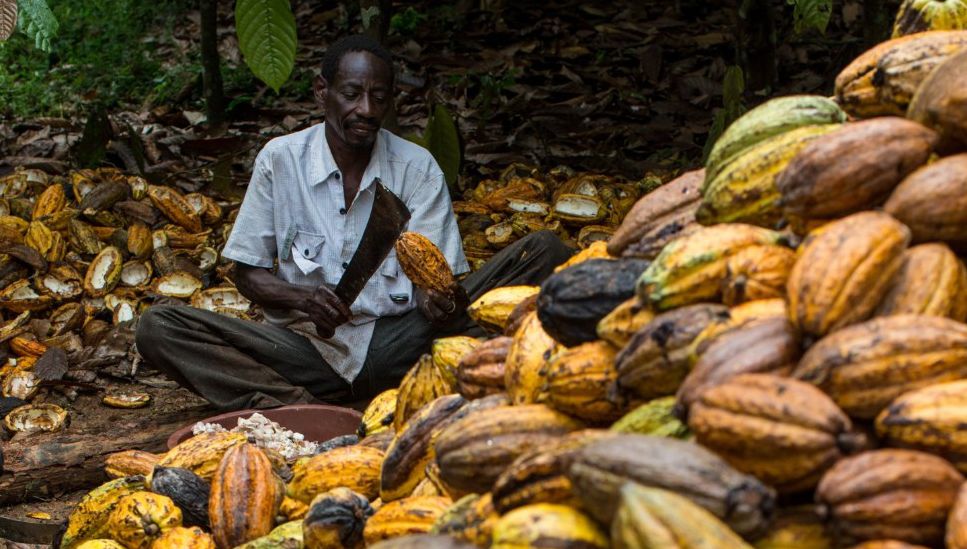
In a significant move to alleviate the financial struggles of cocoa farmers, the Ghana Cocoa Board (COCOBOD) has disbursed a whopping GH¢4.2 billion to Licensed Buying Companies (LBCs) to settle the outstanding arrears owed to farmers since November last year. This massive disbursement is expected to bring relief to thousands of cocoa farmers who have been waiting for their dues, enabling them to meet their financial obligations and plan for the next farming season.
According to industry experts, the timely payment of cocoa farmers is crucial to ensure the sustainability of the cocoa industry, which is the backbone of Ghana's economy.
"The payment of cocoa farmers is a critical component of the cocoa value chain, and any delay can have a ripple effect on the entire industry,"said Dr. Kwame Owusu, a cocoa expert at the University of Ghana. He emphasized that the disbursement of GH¢4.2 billion by COCOBOD is a step in the right direction, as it will help to boost the morale of cocoa farmers and encourage them to increase production.
Background to the Disbursement
The Ghana Cocoa Board (COCOBOD) is responsible for regulating the cocoa industry in Ghana, and one of its key functions is to ensure that cocoa farmers are paid promptly for their produce. However, due to various challenges, including fluctuations in global cocoa prices and logistical constraints, the payment of cocoa farmers has often been delayed, resulting in financial hardships for the farmers. The current disbursement of GH¢4.2 billion is aimed at addressing this issue and ensuring that cocoa farmers receive their dues on time.
The Licensed Buying Companies (LBCs) play a critical role in the cocoa value chain, as they are responsible for purchasing cocoa beans from farmers and selling them to COCOBOD. The LBCs are expected to use the disbursed funds to settle the outstanding arrears owed to cocoa farmers, who have been waiting for their payments since November last year.
"We are committed to ensuring that cocoa farmers receive their payments promptly, and we will work closely with the LBCs to achieve this goal,"said Nana Oduro, a spokesperson for COCOBOD.
Impact on Cocoa Farmers
The disbursement of GH¢4.2 billion is expected to have a significant impact on the lives of cocoa farmers, who are the primary producers of cocoa in Ghana. Cocoa farming is a lucrative business, but it is also a challenging one, requiring significant investments in terms of labor, inputs, and equipment. The timely payment of cocoa farmers will enable them to meet their financial obligations, including the payment of laborers, purchase of inputs, and investment in equipment and technology.
Cocoa farmers have welcomed the disbursement, saying that it will help to alleviate their financial struggles and enable them to plan for the next farming season.
"We are grateful to COCOBOD for disbursing the funds to settle our arrears,"said Mary Mensah, a cocoa farmer from the Western Region. She noted that the payment will enable her to pay her laborers, purchase inputs, and invest in equipment, which will help to increase her productivity and income.
Conclusion and Future Outlook
In conclusion, the disbursement of GH¢4.2 billion by COCOBOD to Licensed Buying Companies is a significant move to settle the outstanding arrears owed to cocoa farmers. The payment is expected to have a positive impact on the lives of cocoa farmers, enabling them to meet their financial obligations and plan for the next farming season. As the cocoa industry continues to play a vital role in Ghana's economy, it is essential that stakeholders, including COCOBOD, LBCs, and cocoa farmers, work together to ensure the sustainability of the industry.
Looking to the future, industry experts predict that the cocoa industry will continue to grow, driven by increasing demand for cocoa products globally. However, they caution that the industry must address the challenges facing it, including climate change, pests and diseases, and poverty among cocoa farmers. By working together and investing in the cocoa value chain, stakeholders can ensure the long-term sustainability of the industry and improve the livelihoods of cocoa farmers and their communities. As Dr. Owusu noted,
"The future of the cocoa industry is bright, but it requires careful planning, investment, and collaboration among stakeholders to ensure that it remains a vibrant and sustainable industry."