Rising global oil prices, driven by escalating tensions in the Middle East, are expected to boost revenues for crude exporters in West Africa, but consumers across the region may still face higher fuel costs, according to James Gooder, vice president for crude markets in Europe and Africa at Argus Media. The volatility in crude markets, which has been ongoing since conflict involving key oil-producing countries, has led to a significant increase in oil prices, with West African crude exporters poised to benefit from the surge in demand.
According to Gooder, the current oil price increase is a double-edged sword for West Africa. On one hand, countries such as Nigeria, Angola, and Ghana, which are major crude exporters, are expected to see a significant increase in revenue from oil exports. This could lead to an improvement in their balance of payments and potentially boost their economies. On the other hand, consumers in the region may not benefit from the higher oil prices, as they may still face higher fuel costs due to the lack of refining capacity and dependence on imported petroleum products.
Impact on Crude Exporters
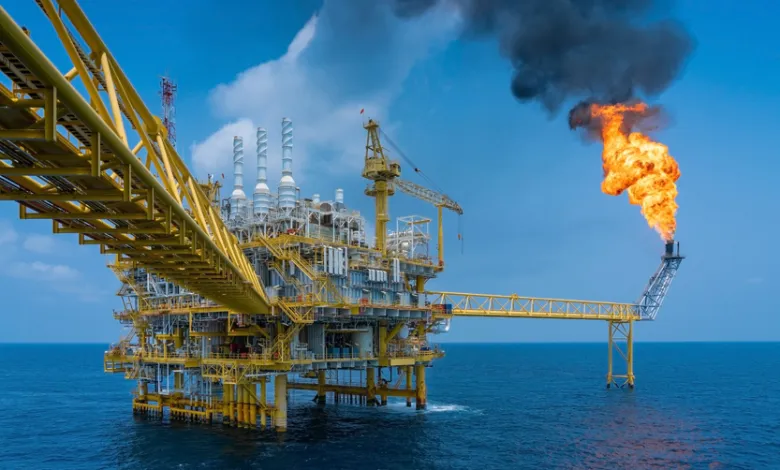
The increase in oil prices is expected to have a positive impact on the economies of West African crude exporters. Nigeria, which is the largest oil producer in Africa, is expected to be one of the biggest beneficiaries of the oil price increase. The country's oil exports are expected to generate significant revenue, which could be used to finance development projects and improve the country's infrastructure. Similarly, Angola and Ghana, which are also major oil producers in the region, are expected to see an increase in revenue from oil exports.
According to Dr. Mohammed Sanusi, a senior research fellow at the Nigerian Institute of International Affairs, "the increase in oil prices is a welcome development for Nigeria, as it will help to boost the country's revenue and improve its economy. However, it is important for the government to ensure that the revenue generated from oil exports is used judiciously to finance development projects and improve the living standards of Nigerians."
Impact on Consumers
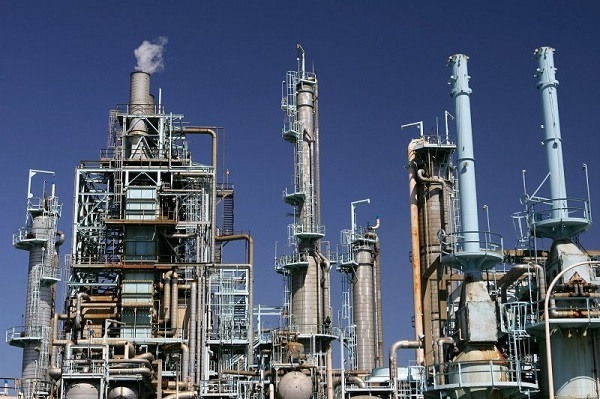
Despite the potential benefits for crude exporters, consumers in West Africa may still face higher fuel costs due to the lack of refining capacity and dependence on imported petroleum products. The region's refining capacity is limited, and most countries rely on imported petroleum products to meet their energy needs. As a result, the increase in oil prices will lead to higher fuel costs, which will have a negative impact on consumers.
According to Mr. Kwame Owusu, a Ghanaian businessman, "the increase in fuel costs will have a significant impact on my business, as it will increase my operating costs and reduce my profit margins. I hope that the government will take steps to mitigate the impact of the oil price increase on consumers, such as reducing taxes on petroleum products or increasing the supply of petroleum products to the market."
"The impact of the oil price increase on consumers will depend on the policies implemented by governments in the region," said James Gooder. "If governments take steps to mitigate the impact of the oil price increase, such as reducing taxes on petroleum products or increasing the supply of petroleum products to the market, consumers may not feel the full effect of the price increase. However, if governments do not take any action, consumers may face significant increases in fuel costs, which could have a negative impact on their living standards."
Way Forward
In order to mitigate the impact of the oil price increase on consumers, governments in West Africa need to take steps to increase their refining capacity and reduce their dependence on imported petroleum products. This can be achieved through the development of new refineries and the rehabilitation of existing ones. Additionally, governments can implement policies to reduce the impact of the oil price increase on consumers, such as reducing taxes on petroleum products or increasing the supply of petroleum products to the market.
According to Dr. Ngozi Okonjo-Iweala, a former Nigerian finance minister, "the key to mitigating the impact of the oil price increase on consumers is to implement policies that reduce the dependence on imported petroleum products. This can be achieved through the development of new refineries and the rehabilitation of existing ones, as well as the implementation of policies that promote the use of alternative energy sources."
In conclusion, the increase in oil prices driven by tensions in the Middle East may benefit West African crude exporters, but consumers in the region may still face higher fuel costs due to the lack of refining capacity and dependence on imported petroleum products. In order to mitigate the impact of the oil price increase on consumers, governments in West Africa need to take steps to increase their refining capacity and reduce their dependence on imported petroleum products. As the global oil market continues to evolve, it is essential for West African countries to develop strategies that promote energy security and reduce the impact of oil price volatility on their economies.