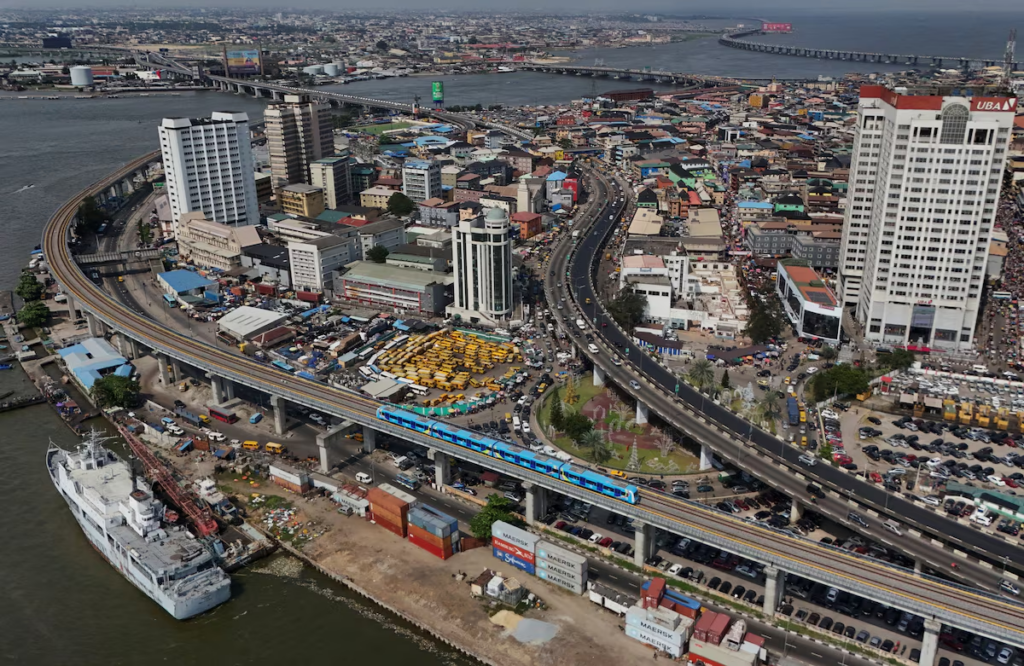
Nigeria's government has initiated a thorough review of its oil and market exposure in response to the escalating tensions in the Middle East, citing concerns over potential risks to the country's economic stability. According to the finance ministry, the move is aimed at assessing and mitigating any adverse effects that may arise from the increasingly volatile situation in the region. As the largest economy in Africa, Nigeria is heavily reliant on oil exports, which account for a significant proportion of its revenue, making it vulnerable to fluctuations in the global oil market.
The decision to review Nigeria's oil and market exposure comes amid growing fears of a potential conflict in the Middle East, which could have far-reaching consequences for the global economy. The finance ministry has stated that it is closely monitoring the situation and working with other government agencies to identify potential risks and develop strategies to address them. Dr. Fatima Hassan, a senior official at the finance ministry, noted that "the current tensions in the Middle East pose a significant threat to Nigeria's economic stability, and we are taking proactive steps to assess and mitigate any potential risks." She added that "we are working closely with other government agencies, including the central bank and the petroleum ministry, to ensure that we are prepared for any eventuality."
Impact on Oil Exports
Nigeria's oil exports are a critical component of its economy, accounting for over 90% of its foreign exchange earnings. Any disruption to oil supplies from the Middle East could have a significant impact on the global oil market, leading to increased prices and reduced demand. Dr. Ibrahim Gambari, a renowned economist and former adviser to the Nigerian government, warned that "a significant increase in oil prices could have a devastating impact on Nigeria's economy, particularly if it is not accompanied by a corresponding increase in production." He noted that "Nigeria's oil production has been declining in recent years, and the country is facing significant challenges in terms of infrastructure and security, which could exacerbate the impact of any disruption to oil supplies."
The Nigerian government has been working to diversify its economy and reduce its reliance on oil exports, but the sector remains a critical component of the country's revenue. The government has implemented a series of reforms aimed at increasing transparency and accountability in the oil sector, but more needs to be done to address the underlying challenges facing the industry.
"The Nigerian government needs to take a more proactive approach to addressing the challenges facing the oil sector, including investing in infrastructure and security, and promoting transparency and accountability,"said Dr. Gambari. He added that "the government also needs to work closely with international partners to develop strategies for mitigating the risks associated with oil price volatility."
Market Exposure
In addition to its oil exports, Nigeria's market exposure is also a significant concern for the government. The country's stock market has been experiencing significant volatility in recent months, with investors becoming increasingly risk-averse due to the escalating tensions in the Middle East. Mr. Oscar Onyema, the chief executive officer of the Nigerian Stock Exchange, noted that "the current market conditions are challenging, and we are working closely with regulators and other stakeholders to ensure that the market remains stable and attractive to investors." He added that "we are also working to promote greater transparency and accountability in the market, and to provide investors with the information they need to make informed decisions."
The Nigerian government has been working to promote economic diversification and reduce the country's reliance on oil exports. The government has implemented a series of initiatives aimed at promoting agriculture, manufacturing, and other sectors, and has also been working to improve the business environment and attract foreign investment. Dr. Hassan noted that "the government is committed to promoting economic diversification and reducing the country's reliance on oil exports." She added that "we are working to create a more favorable business environment, and to provide support to businesses and investors who are looking to invest in Nigeria."
Conclusion
In conclusion, the Nigerian government's decision to review its oil and market exposure in response to the escalating tensions in the Middle East is a prudent move aimed at mitigating potential risks to the country's economic stability. As the situation in the Middle East continues to evolve, it is essential that the Nigerian government remains vigilant and proactive in its efforts to promote economic stability and reduce the country's reliance on oil exports. Dr. Gambari noted that "the current situation in the Middle East is a wake-up call for Nigeria, and the government needs to take a more proactive approach to promoting economic diversification and reducing the country's reliance on oil exports." He added that "with the right policies and strategies in place, Nigeria can navigate the current challenges and emerge stronger and more resilient in the long term." As the Nigerian government continues to monitor the situation in the Middle East, one thing is clear: the country's economic stability is a top priority, and all efforts will be made to ensure that it is protected and promoted.