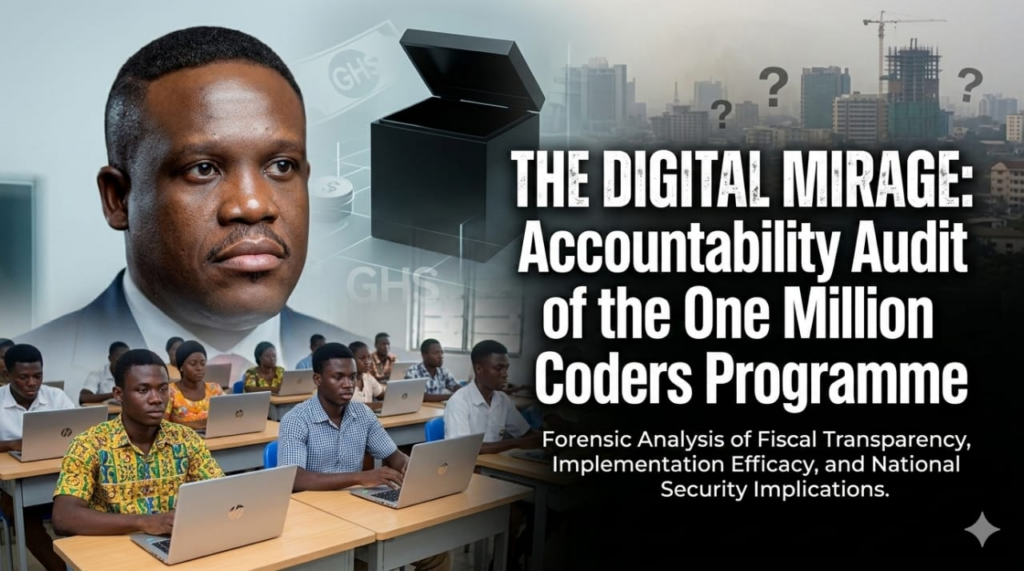

Ghana's persistent unemployment crisis has been exacerbated by decades of hollow promises to the private sector, according to policy analyst and founding president of IMANI Africa, Franklin Cudjoe. Cudjoe's sentiments come as the country struggles to create jobs for its growing youth population, with many graduates facing uncertain futures. Speaking on Joy SMS, Cudjoe emphasized that policymakers have consistently paid lip service to job creation while neglecting the practical reforms needed to help businesses expand and employ more people.
The issue of unemployment in Ghana is a pressing concern, with the country's youth unemployment rate standing at 12.9%, according to the latest data from the Ghana Statistical Service. This has led to widespread frustration among young people, who feel that the government is not doing enough to address the problem. Cudjoe's comments suggest that the root of the problem lies in the government's failure to support the private sector, which is widely regarded as the engine of job creation.
"The private sector is the backbone of any economy, and if we don't get it right, we will continue to struggle with job creation,"said Dr. John Kwakye, a senior economist at the African Center for Economic Transformation.
Structural Barriers to Business Growth
One of the main obstacles to business growth in Ghana is the plethora of regulatory hurdles that entrepreneurs face. From complex tax laws to stringent licensing requirements, the process of starting and running a business in Ghana can be daunting. Cudjoe argues that these structural barriers are a major deterrent to investment and job creation.
"We need to simplify the process of doing business in Ghana, and make it easier for entrepreneurs to access credit and other resources,"he said. This view is shared by the Ghana Chamber of Commerce and Industry, which has consistently called for reforms to the country's business environment.
Another challenge facing businesses in Ghana is the lack of access to finance. Many small and medium-sized enterprises (SMEs) struggle to access credit from banks and other financial institutions, making it difficult for them to expand and create jobs. The government has introduced initiatives such as the Ghana Entrepreneurship Fund to address this issue, but more needs to be done to support SMEs.
"Access to finance is a major challenge for many businesses in Ghana, and we need to find innovative solutions to address this problem,"said Mrs. Kosi Yankey, Executive Director of the National Board for Small Scale Industries.
Call to Action
Cudjoe's comments are a call to action for policymakers to take a more proactive approach to supporting the private sector. This includes implementing policies that promote business growth, such as tax incentives and investment in infrastructure. It also requires a more streamlined regulatory environment, where entrepreneurs can easily access the resources they need to start and grow their businesses.
"We need to move beyond the rhetoric and take concrete steps to support the private sector,"said Cudjoe. This view is shared by many experts, who believe that a thriving private sector is essential for job creation and economic growth.
The government has taken some steps to address the issue of unemployment, including the introduction of initiatives such as the National Entrepreneurship and Innovation Plan. However, more needs to be done to support the private sector and create an environment that is conducive to business growth. As the country looks to the future, it is clear that a more proactive approach to job creation is needed.
"We need to think outside the box and come up with innovative solutions to the challenge of unemployment,"said Dr. Charles Amoako, a labor market analyst at the University of Ghana.
In conclusion, the issue of unemployment in Ghana is a complex and multifaceted problem that requires a comprehensive solution. While the government has taken some steps to address the issue, more needs to be done to support the private sector and create an environment that is conducive to business growth. As Cudjoe's comments suggest, decades of empty promises to the private sector have taken a toll on job creation, and it is time for policymakers to take a more proactive approach to supporting entrepreneurs and businesses. The future of Ghana's youth depends on it, and it is imperative that the government takes concrete steps to address the issue of unemployment and create a brighter future for all Ghanaians.