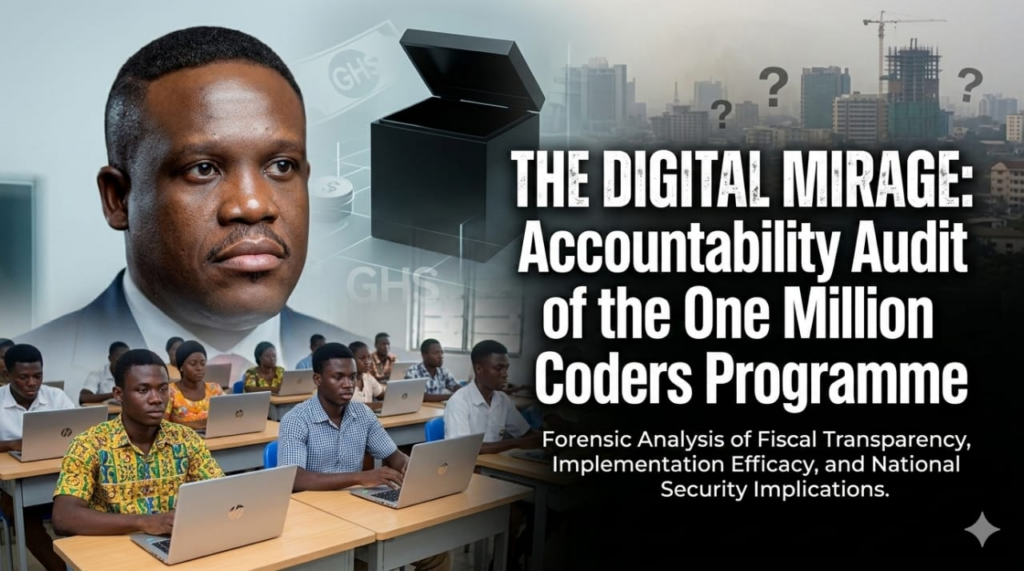
The One Million Coders Programme, a flagship initiative under Ghana's "RESET" agenda, has been shrouded in controversy, with critics questioning the feasibility and potential impact of the ambitious project. Launched with great fanfare, the programme aims to train one million Ghanaians in coding skills, but experts and industry insiders are now sounding the alarm, warning that the initiative may be more of a digital mirage than a panacea for the country's economic woes.
At the heart of the controversy is the programme's lofty target, which many believe is unrealistic and unsustainable. Dr. Ama Bentsi-Enchill, a leading expert in education and technology, notes that "the idea of training one million coders in a short span of time is laudable, but it is essential to consider the resources, infrastructure, and manpower required to achieve such a goal." She adds, "We need to be cautious not to create a bubble that will eventually burst, leaving us with a trail of disappointed and disillusioned young people."
Understanding the "RESET" Agenda
The "RESET" agenda, unveiled by the government, is a comprehensive plan aimed at revitalizing Ghana's economy and positioning the country as a hub for digital innovation. The One Million Coders Programme is a key component of this agenda, designed to equip Ghanaians with the skills needed to compete in the global digital economy. However, Mr. Kwame Owusu, a renowned economist, argues that "the programme's success is predicated on a fundamental transformation of our education system, which is currently not equipped to handle such a massive undertaking." He emphasizes, "We need to focus on building a robust foundation in STEM education, rather than trying to rush into a coding revolution."
Despite the government's enthusiasm for the programme, there are concerns about the lack of a clear roadmap and the potential for the initiative to become a white elephant.
"The One Million Coders Programme is a classic example of putting the cart before the horse,"says Ms. Akua Mensah, a technology entrepreneur. "We need to address the fundamental issues of internet accessibility, digital literacy, and infrastructure development before we can even think of training one million coders." She warns, "If we don't get the basics right, we risk creating a digital divide that will only exacerbate the existing social and economic inequalities in our country."
The Economic Implications
The economic implications of the One Million Coders Programme are far-reaching, with some arguing that it could be a game-changer for Ghana's economy. Mr. Yaw Amoateng, a financial analyst, notes that "if successful, the programme could create a new generation of entrepreneurs, innovators, and job creators, which would have a positive impact on the country's GDP and economic growth." However, he cautions, "we need to be mindful of the potential risks, including the possibility of creating a surplus of coders in a market that may not be able to absorb them, leading to unemployment and disillusionment."
The government has committed significant resources to the programme, but there are concerns about the potential for waste and mismanagement. Dr. Kofi Baah, a public policy expert, emphasizes, "we need to ensure that the funds allocated to the programme are used efficiently and effectively, with a clear focus on outcomes and impact." He warns, "if we don't get the governance and accountability structures right, we risk squandering a unique opportunity to transform our economy and improve the lives of our citizens."
Way Forward
As the debate surrounding the One Million Coders Programme continues, it is essential to take a step back and assess the initiative's potential impact and feasibility. While the programme's goals are laudable, it is crucial to address the underlying challenges and concerns that could derail its success. Mr. Francis Addo, a technology consultant, notes, "we need to engage in a nuanced and informed discussion about the programme's objectives, taking into account the complexities and realities of our context." He adds, "by doing so, we can create a more sustainable and effective initiative that will truly benefit the people of Ghana."
In conclusion, the One Million Coders Programme is a complex and multifaceted initiative that requires careful consideration and planning. While it has the potential to transform Ghana's economy and improve the lives of its citizens, it is essential to address the challenges and concerns that could undermine its success. As Dr. Bentsi-Enchill aptly puts it,
"the digital mirage of the One Million Coders Programme must be grounded in reality, with a clear focus on sustainability, accountability, and impact."Only then can we unlock the true potential of this initiative and create a brighter future for Ghana.