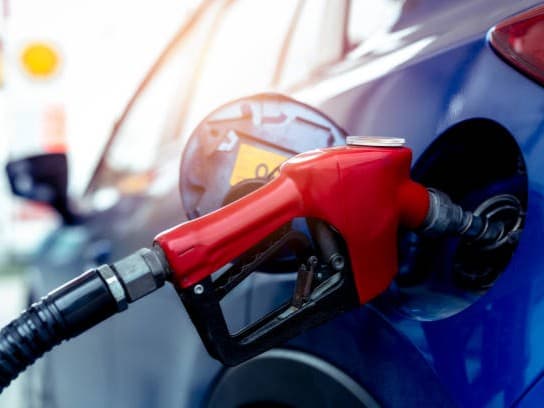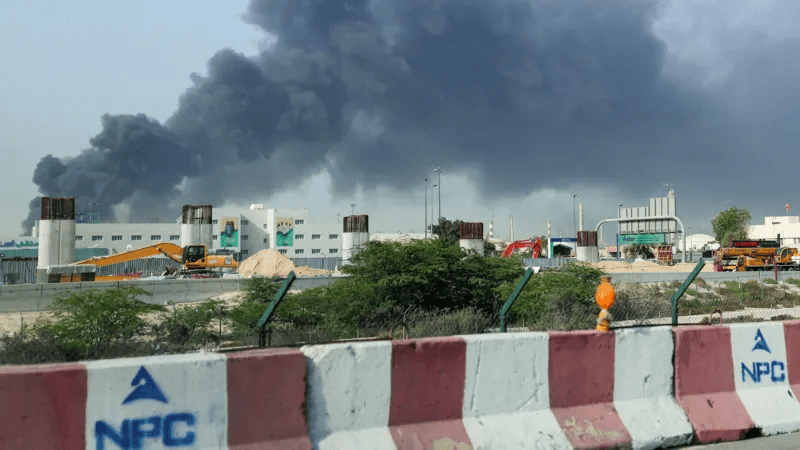
The conflict in the Middle East has already led to a surge in global oil prices, which is likely to have a ripple effect on Ghana's economy. As a net importer of oil, Ghana is vulnerable to fluctuations in global oil prices, which could lead to higher production costs and increased inflation. According to Dr. Ernest Addison, Governor of the Bank of Ghana, "the current situation in the Middle East is a significant risk to our inflation outlook, and we are closely monitoring the situation to determine the appropriate policy response." The Bank of Ghana has been working to reduce inflation, which has been a major challenge for the country in recent years, and the current turmoil in the Middle East threatens to undo the progress that has been made.
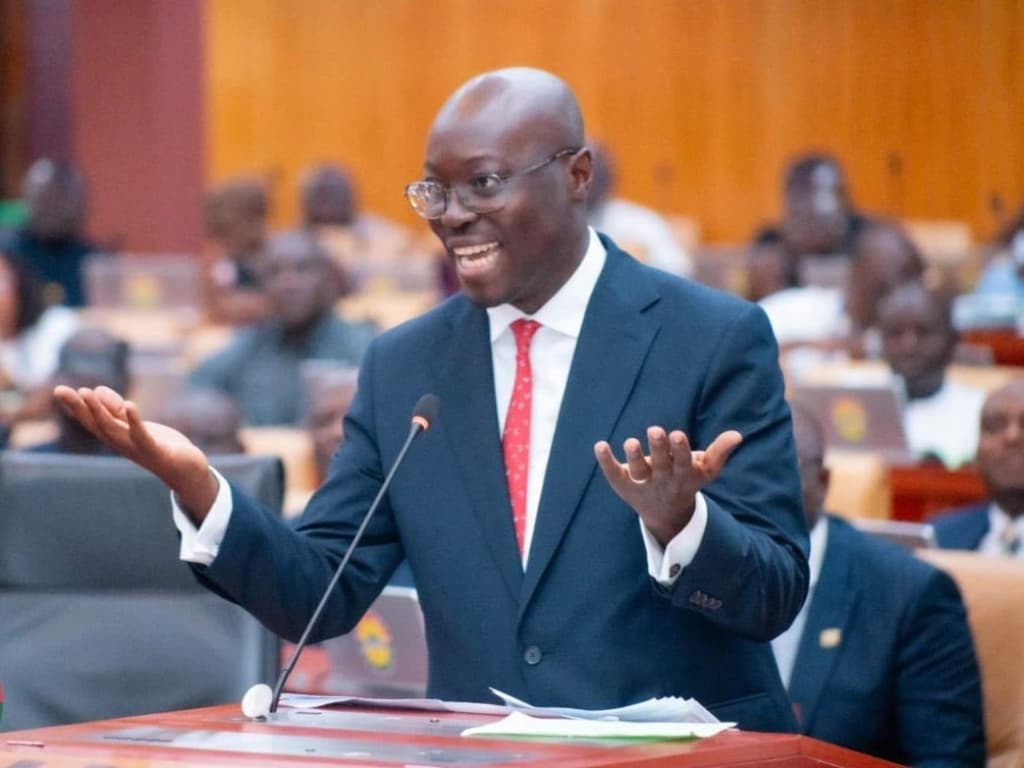
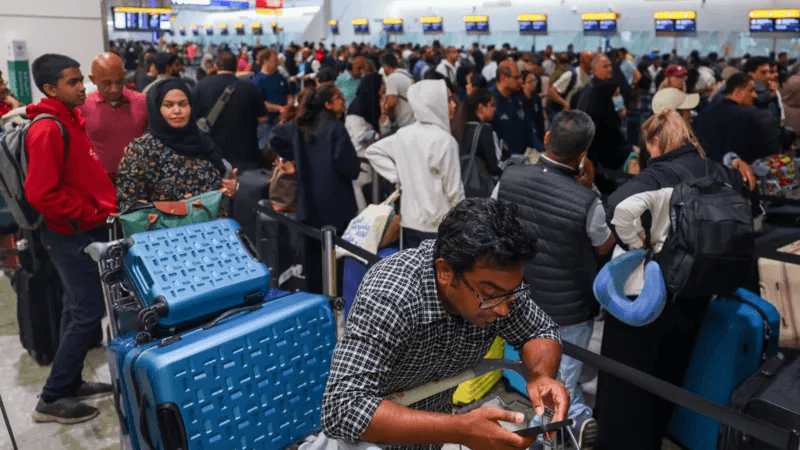
The potential economic implications of the Middle East turmoil for Ghana are far-reaching. Higher oil prices could lead to increased transportation costs, which would have a knock-on effect on the prices of other goods and services. This could lead to higher inflation, which would erode the purchasing power of Ghanaian consumers and undermine the country's economic stability. Additionally, the conflict could lead to a decline in investor confidence, which could negatively impact Ghana's economy. As Mr. Ken Ofori-Atta, Ghana's Minister of Finance, noted, "we are concerned about the potential impact of the conflict on investor sentiment, and we are working to reassure investors that Ghana remains a stable and attractive investment destination."
Furthermore, the conflict in the Middle East could also have a negative impact on Ghana's trade balance. Ghana is a significant exporter of gold and other commodities, and the conflict could lead to disruptions in global supply chains, which could negatively impact the country's export earnings. As Dr. John Kwakye, Director of Research at the Institute of Economic Affairs, noted, "the conflict in the Middle East is a significant risk to Ghana's trade balance, and we need to be prepared to respond to any potential disruptions to our export earnings."
In response to the escalating turmoil in the Middle East, Ghanaian policymakers are taking steps to mitigate the potential impact on the economy. The Bank of Ghana has indicated that it is prepared to take decisive action to maintain macroeconomic stability, including adjusting interest rates or implementing other monetary policy measures as needed. As Dr. Addison noted, "we have a range of tools at our disposal to respond to any potential economic shocks, and we are prepared to use them to maintain stability and support economic growth." The government is also working to diversify the country's economy, reducing its dependence on oil imports and promoting the development of other sectors, such as agriculture and manufacturing.
In addition, the government is also working to promote economic resilience and reduce the country's vulnerability to external shocks. As Mr. Ofori-Atta noted, "we are working to promote economic resilience by investing in critical infrastructure, such as roads and ports, and by promoting the development of key sectors, such as agriculture and manufacturing. We are also working to reduce our dependence on oil imports by promoting the use of renewable energy and increasing energy efficiency." The government is also working to strengthen the country's social safety net, to protect the most vulnerable members of society from the potential impact of the conflict.
"We are taking a proactive approach to mitigate the potential impact of the conflict on our economy," said Dr. Addison. "We are working closely with other stakeholders, including the government and the private sector, to ensure that we are prepared to respond to any potential economic shocks. We are confident that with the right policies and measures in place, we can maintain macroeconomic stability and support economic growth, even in the face of external challenges."
In conclusion, the escalating turmoil in the Middle East poses a significant threat to Ghana's economy, and policymakers are taking steps to mitigate the potential impact. While the situation is uncertain, and the outcome is difficult to predict, one thing is clear: Ghana's economic stability is at risk, and policymakers must be prepared to respond to any potential economic shocks. As Dr. Kwakye noted, "the situation in the Middle East is a wake-up call for Ghanaian policymakers to be more proactive in promoting economic resilience and reducing our vulnerability to external shocks. We need to be prepared to respond to any potential economic challenges, and to take advantage of any opportunities that may arise." With the right policies and measures in place, Ghana can maintain macroeconomic stability and support economic growth, even in the face of external challenges.