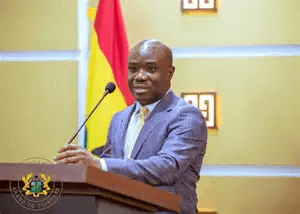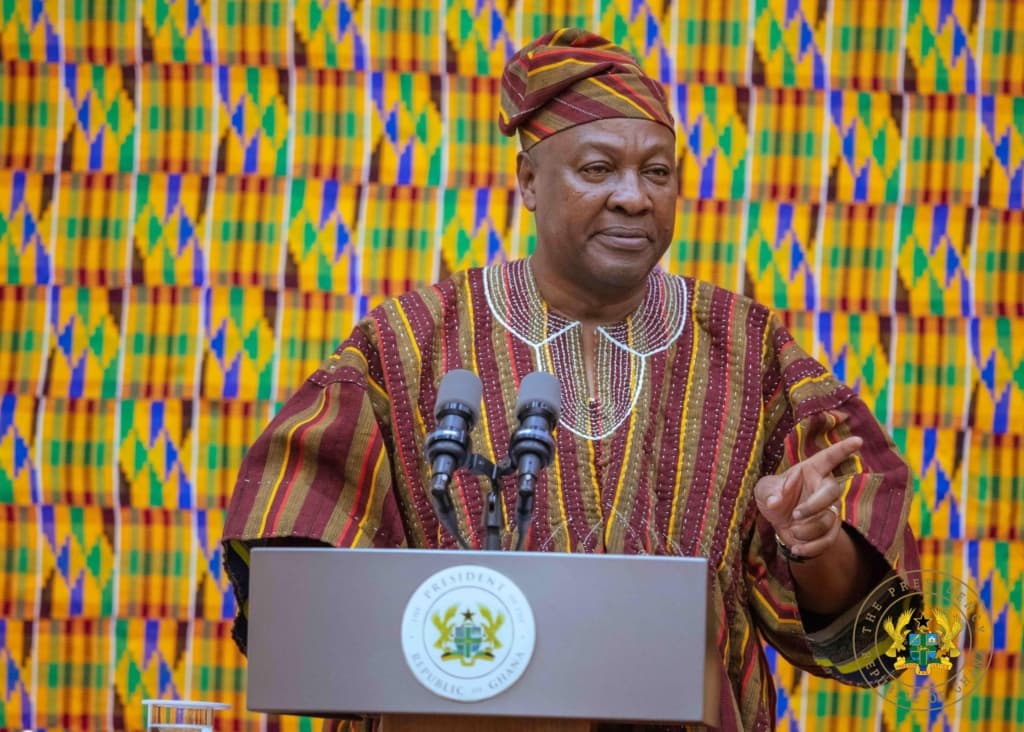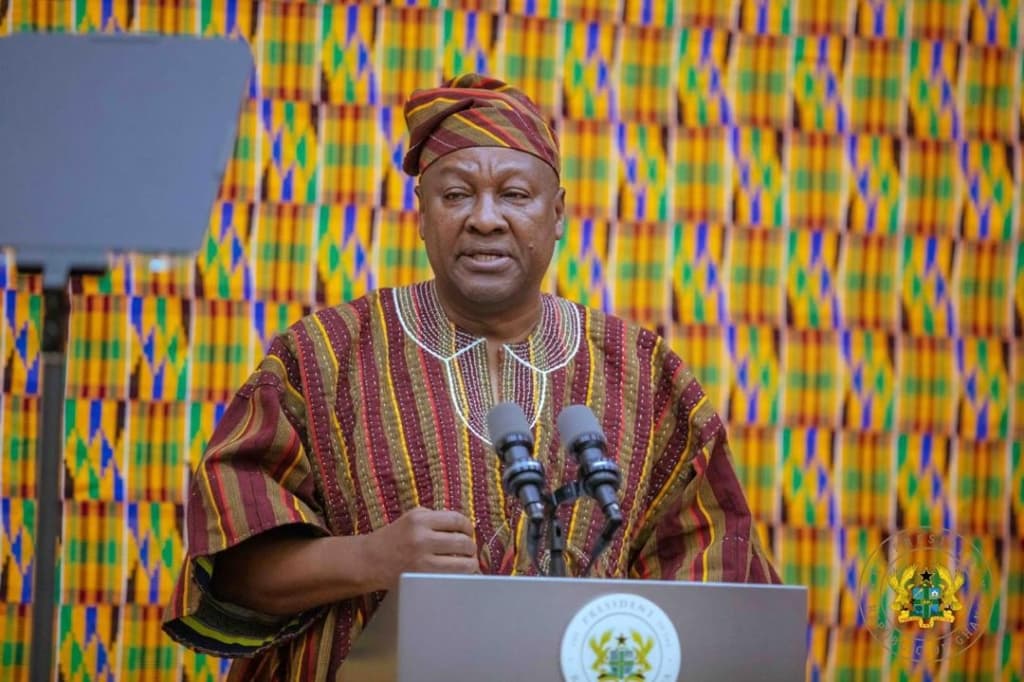
The issue of economic stability has been a major concern for the government and citizens alike, with the cedi experiencing significant fluctuations in recent years. However, according to Nyame-Baafi, the current administration's efforts to stabilize the economy have been built on foundations laid by the previous government. "It is only fair that the President acknowledges the role of his predecessors in implementing policies that have contributed to the current economic stability," he said. "This is not to take away from the achievements of the current administration, but rather to provide a more accurate and nuanced understanding of the factors that have contributed to the country's economic progress."
Economic Measures and Stability
The NPP government, which was in power from 2001 to 2009, implemented a number of economic measures aimed at stabilizing the cedi and promoting economic growth. These measures included the introduction of the HIPC Initiative, which provided debt relief to the country, and the implementation of a fiscal policy framework that helped to reduce the budget deficit. According to Dr. Samuel Ankrah, a senior economist at the University of Ghana, these measures have had a lasting impact on the country's economy. "The HIPC Initiative, for example, helped to reduce the country's debt burden and free up resources for investment in key sectors such as education and healthcare," he said. "This has had a positive impact on the country's economic stability and has provided a foundation for future growth."
Other experts have also weighed in on the issue, highlighting the importance of acknowledging the role of previous governments in shaping the country's economic trajectory.
"It is essential that we recognize the contributions of all governments, past and present, to the country's economic development," said Professor Emmanuel Gyimah-Boadi, a political scientist at the University of Ghana. "This is not a partisan issue, but rather a matter of providing a accurate and comprehensive understanding of the factors that have contributed to the country's economic progress."According to Professor Gyimah-Boadi, this approach will help to promote a more nuanced understanding of the country's economic history and provide a foundation for more effective economic policy-making in the future.
Implications for Economic Policy
The issue of economic stability is likely to remain a major concern for the government and citizens alike in the coming years. As the country continues to navigate the challenges of economic development, it is essential that policymakers take a nuanced and comprehensive approach to economic policy-making. This includes acknowledging the role of previous governments in shaping the country's economic trajectory and building on the foundations laid by these governments. According to Dr. Josephine Osei, a senior economist at the Ministry of Finance, this approach will help to promote greater economic stability and provide a foundation for sustained economic growth. "By recognizing the contributions of all governments, past and present, we can work towards a more cohesive and effective economic policy framework that takes into account the experiences and lessons of the past," she said.
In conclusion, the call by Kwasi Nyame-Baafi for President Mahama to acknowledge the role of the previous NPP government in implementing economic measures that contributed to the relative stability of the cedi and other key economic indicators is a timely reminder of the importance of providing a nuanced and comprehensive understanding of the country's economic history. As the country continues to navigate the challenges of economic development, it is essential that policymakers take a balanced and inclusive approach to economic policy-making, one that recognizes the contributions of all governments, past and present, to the country's economic progress. By doing so, we can work towards a more stable and prosperous future for all Ghanaians.