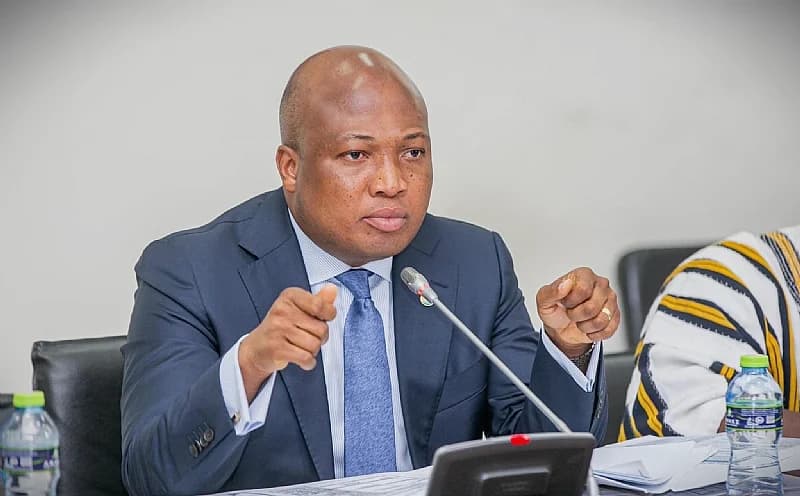
The decision to evacuate Ghana's embassy staff from Iran was made after a thorough assessment of the security situation in the country, according to Minister Ablakwa. "The safety and security of our diplomatic staff is our top priority, and we cannot compromise on that," he said in a statement. "We have been monitoring the situation in Iran closely, and we have decided that it is in the best interest of our staff to evacuate them from the country until the situation improves." The evacuation is a precautionary measure, and it is not expected to have a significant impact on Ghana's trade and economic relations with Iran, at least in the short term.
Background to the Evacuation
The conflict involving the United States and Israel has been escalating in recent weeks, with both countries engaging in a war of words and military maneuvers. The situation has been further complicated by the involvement of other regional players, including Iran, which has been accused of supporting militant groups in the region. The tensions have raised concerns about the safety and security of diplomatic staff in the region, and several countries have taken measures to evacuate their personnel. Ghana's decision to evacuate its embassy staff from Iran is seen as a proactive measure to ensure the safety and security of its citizens.
According to Dr. Kwame Asah-Asante, a senior lecturer in international relations at the University of Ghana, the evacuation is a "prudent decision" that takes into account the complexities of the conflict. "The situation in Iran is very volatile, and it is difficult to predict how things will unfold," he said. "Ghana has taken a wise decision to evacuate its staff, and it is a measure that should be commended." Dr. Asah-Asante noted that the evacuation will not have a significant impact on Ghana's relations with Iran, but it may affect the country's ability to engage with Iran on regional and international issues.
Implications of the Evacuation
The evacuation of Ghana's embassy staff from Iran has significant implications for the country's foreign policy. Ghana has traditionally maintained good relations with Iran, and the two countries have cooperated on several regional and international issues. However, the evacuation marks a significant shift in Ghana's approach to its relations with Iran, and it may affect the country's ability to engage with Iran on key issues.
"The evacuation is a temporary measure, and we hope that the situation in Iran will improve soon," said Minister Ablakwa."We value our relations with Iran, and we hope that we can resume normal diplomatic relations soon."
According to Mr. George Kumi, a former diplomat and expert on international relations, the evacuation is a "short-term measure" that will not have a significant impact on Ghana's long-term relations with Iran. "Ghana has always maintained good relations with Iran, and this evacuation will not affect that," he said. "The evacuation is a precautionary measure, and it is aimed at ensuring the safety and security of our staff." Mr. Kumi noted that Ghana will continue to engage with Iran on key issues, including trade and economic cooperation, and that the evacuation will not affect the country's commitment to regional and international organizations.
Regional and International Implications
The evacuation of Ghana's embassy staff from Iran has regional and international implications. The conflict involving the United States and Israel has raised concerns about the safety and security of diplomatic staff in the region, and several countries have taken measures to evacuate their personnel. The evacuation also highlights the complexities of the conflict and the need for a negotiated solution.
"The situation in Iran is a concern for all of us, and we hope that a peaceful solution can be found soon," said Dr. Asah-Asante."The international community must work together to find a solution that takes into account the interests of all parties involved."
The evacuation of Ghana's embassy staff from Iran is a significant development in the country's diplomatic relations with Iran. While the evacuation is a precautionary measure, it highlights the complexities of the conflict and the need for a negotiated solution. Ghana's decision to evacuate its staff is seen as a proactive measure to ensure the safety and security of its citizens, and it is expected to have far-reaching implications for the country's foreign policy. As the situation in Iran continues to unfold, Ghana will likely continue to monitor the situation closely and take measures to protect its interests and ensure the safety and security of its citizens.
In conclusion, the evacuation of Ghana's embassy staff from Iran marks a significant development in the country's diplomatic relations with Iran. The move is a precautionary measure aimed at ensuring the safety and security of Ghanaian personnel in the face of growing tensions in the region. While the evacuation is a short-term measure, it highlights the complexities of the conflict and the need for a negotiated solution. As the situation in Iran continues to unfold, Ghana will likely continue to play a key role in regional and international efforts to find a peaceful solution to the conflict. The country's commitment to regional and international organizations will remain unchanged, and it will continue to engage with Iran and other countries on key issues, including trade and economic cooperation.