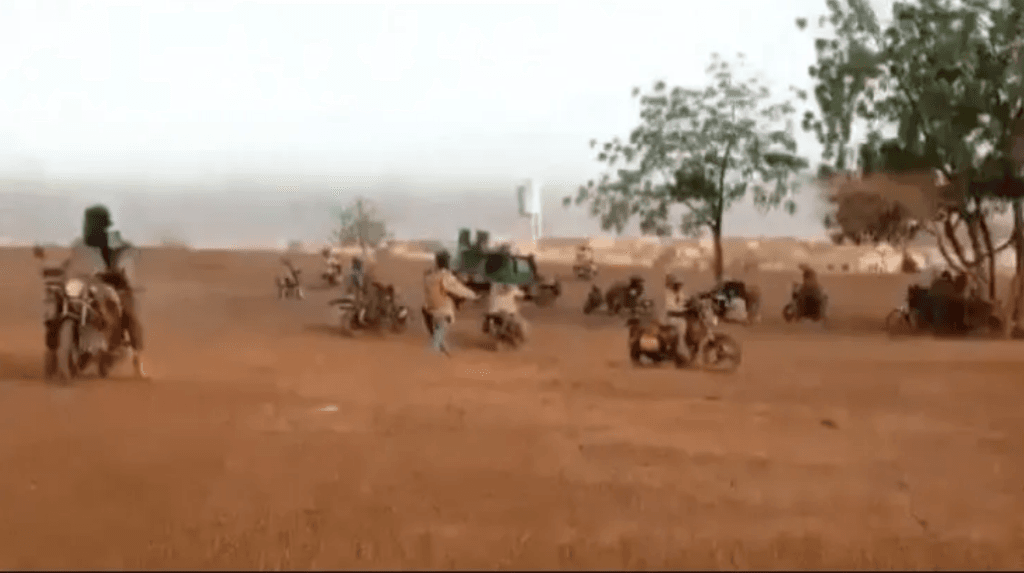
The attack in Titao, a town in northern Burkina Faso, was carried out by a group of armed men who targeted the Ghanaian traders, killing eight and injuring several others. While the motive behind the attack is still unclear, it is believed to be linked to the ongoing insurgency in the Sahel region, which has seen a surge in terrorist activities in recent years. The incident has sent shockwaves across Ghana, with many calling for increased security measures to protect citizens, particularly those engaged in cross-border trade. According to Dr. Ama Pokuaa Fenny, a security expert at the University of Ghana, "The killing of the Ghanaian traders in Burkina Faso is a wake-up call for our security agencies to reassess our strategies and take proactive measures to protect our citizens, especially those who engage in cross-border trade."
Regional Instability and National Risk
The Sahel region, which spans across several countries in West Africa, has been plagued by terrorist activities, banditry, and other forms of insecurity. The region's instability has been exacerbated by factors such as poverty, corruption, and weak governance, creating a fertile ground for extremist groups to operate. Ghana, which shares a border with Burkina Faso, is particularly vulnerable to the spillover effects of the region's instability. As
"the threat of terrorism and insecurity in the Sahel region is real and can have serious consequences for Ghana's national security,"noted Colonel Michael Poku, a retired military officer and security consultant.
The Ghanaian government has been working to strengthen its security apparatus, including the establishment of a new counter-terrorism unit. However, experts warn that more needs to be done to address the root causes of the instability in the region. Dr. Kwame Asante, a lecturer in international relations at the University of Cape Coast, emphasized that
"a comprehensive approach that addresses the socio-economic and political factors driving the instability in the Sahel region is essential to mitigating the risks to Ghana's national security."This approach, he argued, should involve collaboration with regional and international partners to address issues such as poverty, corruption, and weak governance.
Impact on Cross-Border Trade
The killing of the Ghanaian tomato traders has also raised concerns about the impact of regional instability on cross-border trade. The trade in tomatoes and other agricultural products is a significant contributor to Ghana's economy, with many traders relying on markets in neighboring countries to sell their goods. The attack in Titao has already led to a decline in trade activities, with many traders fearful of traveling to Burkina Faso. Ama Serwaa, a tomato trader who regularly travels to Burkina Faso, expressed her concerns, saying,
"we are afraid of going to Burkina Faso now, as we do not know what might happen to us. The attack on our colleagues has made us realize that our lives are at risk, and we need the government to do something to protect us."
The Ghanaian government has assured traders that it is working to improve security along the border with Burkina Faso. However, experts argue that a more comprehensive approach is needed to address the challenges faced by traders. Dr. Ernestina Dankwah, a trade expert at the Ghana Institute of Public Policy Options, noted that
"the government needs to engage with its counterparts in Burkina Faso to establish a secure corridor for traders, as well as provide support for traders who have been affected by the attack."She also emphasized the need for the government to explore alternative markets for Ghanaian traders, to reduce their dependence on the Burkinabe market.
Conclusion and Way Forward
The killing of the Ghanaian tomato traders in Burkina Faso is a stark reminder of the risks posed by regional instability to national security. As Ghana continues to navigate the complex security landscape in the Sahel region, it is essential that the government takes proactive measures to protect its citizens and address the root causes of the instability. By working with regional and international partners, and engaging with stakeholders, including traders and communities, Ghana can mitigate the risks associated with regional instability and ensure the safety and security of its citizens. As Dr. Fenny warned,
"the threat of terrorism and insecurity in the Sahel region is real, and Ghana must be prepared to respond to it effectively to protect its national security and interests."The coming days and weeks will be crucial in determining the government's response to the attack and its commitment to addressing the broader security challenges facing the country.