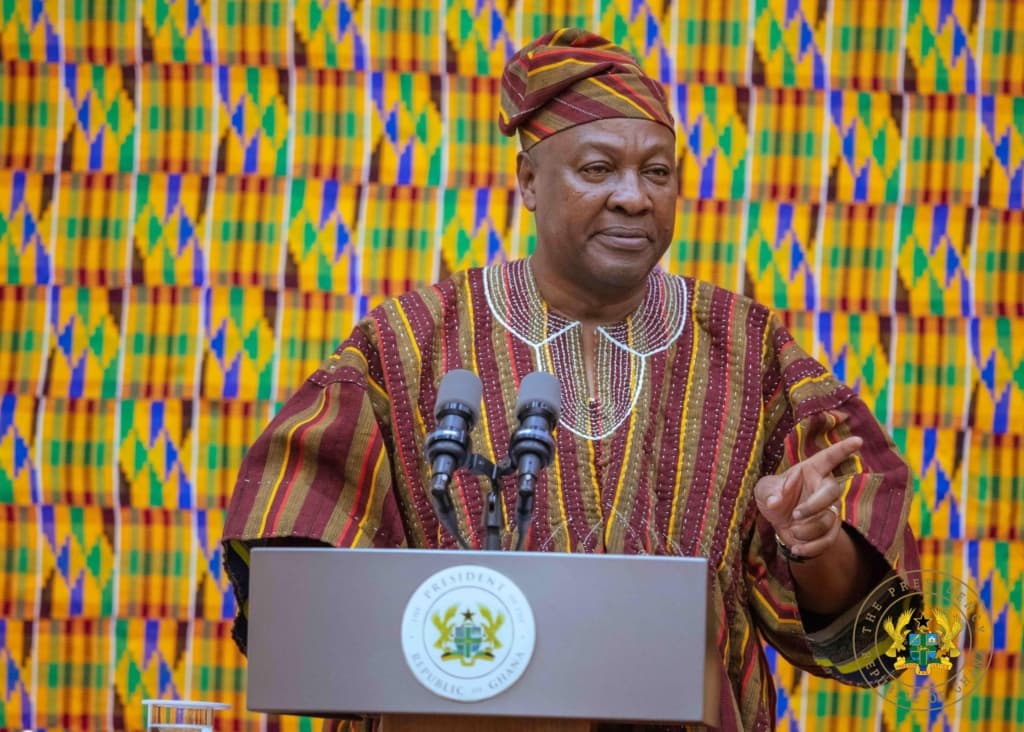
The controversy surrounding Mahama's jobs claim began when he stated during a recent speech that his administration had created one million jobs in various sectors, including agriculture, manufacturing, and services. However, Agyemang argues that the claim is not supported by empirical evidence and that the youth in his constituency and across the country are still struggling to find employment. "The former President's claim of creating one million jobs is a myth that does not reflect the reality on the ground," Agyemang said in an interview. "If indeed one million jobs were created, we would have seen a significant reduction in unemployment among the youth, but that is not the case."
Unemployment Among the Youth
The issue of unemployment among the youth is a major concern in the country, with many young people struggling to find decent jobs. According to the Ghana Statistical Service, the youth unemployment rate stands at over 20%, with many more young people underemployed or engaged in informal economic activities. The situation is even more dire in rural areas, where job opportunities are scarce and many young people are forced to migrate to urban areas in search of work. "The youth unemployment crisis is a ticking time bomb that requires urgent attention from policymakers," said Dr. Baah Boateng, a labor economist at the University of Ghana. "We need to create jobs that are decent, secure, and provide opportunities for career advancement, rather than just focusing on quantity."
"The former President's claim of creating one million jobs is a classic example of how politicians often manipulate statistics to score political points," said Frederick Agyei, a policy analyst at the Institute of Economic Affairs. "We need to move beyond rhetoric and focus on creating policies that address the root causes of unemployment, including lack of skills, limited job opportunities, and inadequate infrastructure."
Challenging the Jobs Data
Agyemang's challenge to Mahama's jobs claim has also raised questions about the accuracy of the data used to support the claim. According to Agyemang, the data on job creation is not transparent, and there is no clear methodology for tracking job creation. "We need to subject the jobs data to scrutiny and verify the claims made by the former President," Agyemang said. "If the data is not reliable, then we need to reassess our strategies for addressing unemployment and focus on creating jobs that are sustainable and decent."
Experts agree that the lack of transparency and accountability in job creation data is a major challenge in addressing unemployment. "We need to develop a robust system for tracking job creation and evaluating the impact of policies on employment," said Dr. Audrey Abakah, a development economist at the African Center for Economic Transformation. "This will enable us to identify what works and what does not and make informed decisions about resource allocation and policy interventions."
Way Forward
The controversy surrounding Mahama's jobs claim highlights the need for a nuanced and evidence-based approach to addressing unemployment. Rather than relying on rhetoric and disputed statistics, policymakers should focus on creating policies that address the root causes of unemployment and provide opportunities for decent work. "We need to move beyond the politics of job creation and focus on creating an enabling environment for businesses to thrive and create jobs," said Anthony Amoah, a business consultant. "This requires investing in infrastructure, skills development, and entrepreneurship, as well as promoting macroeconomic stability and good governance."
In conclusion, the dispute over Mahama's jobs claim highlights the need for transparency, accountability, and evidence-based policymaking in addressing unemployment. As the country continues to grapple with the challenges of job creation, it is essential that policymakers prioritize the needs of the youth and focus on creating decent, secure, and sustainable jobs that provide opportunities for career advancement. By doing so, we can unlock the potential of the youth and drive economic growth and development that benefits all.