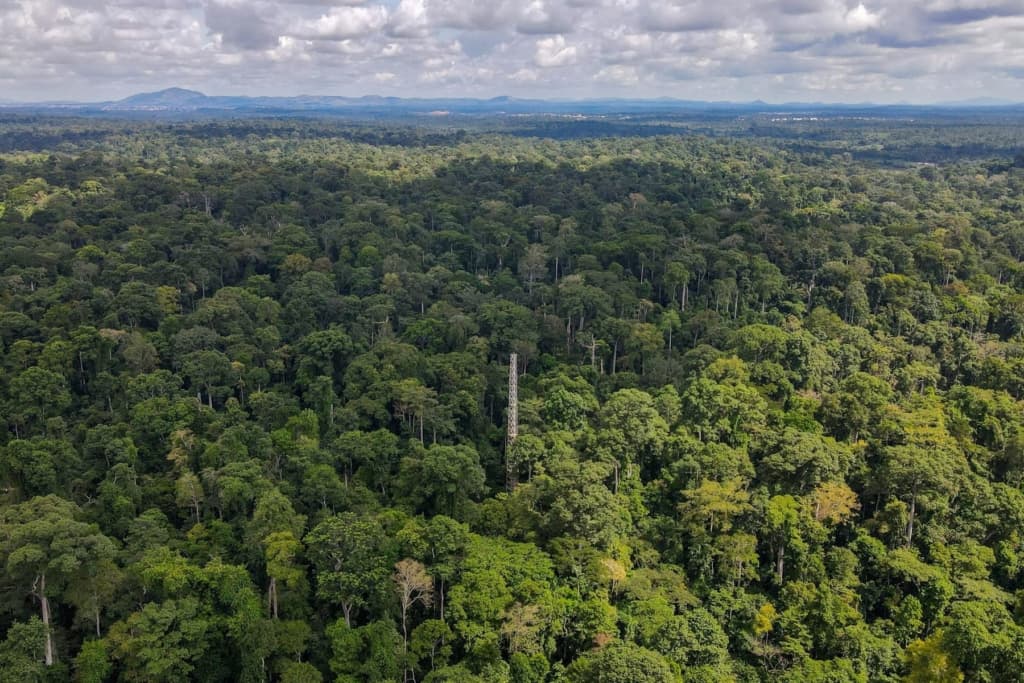
The conservation of medicinal and aromatic plants is a pressing issue in Ghana, where many of these species are found in the wild. Deforestation, urbanization, and unsustainable harvesting practices have led to the decline of many plant populations, threatening the livelihoods of people who depend on them for income and healthcare. "The loss of medicinal and aromatic plants is not just an environmental issue, but also a health and economic concern," said Dr. Ama Owusu, Director of the Ghana Wildlife Division. "These plants have been used for centuries to treat various ailments and provide income for local communities. It is our responsibility to ensure their conservation for future generations."
Importance of Medicinal and Aromatic Plants
Medicinal and aromatic plants have been an integral part of Ghanaian culture and tradition for centuries. Many of these plants have medicinal properties that are used to treat various health conditions, from malaria to skin infections. For example, the neem tree is used to treat fever, while the shea tree is used to produce shea butter, which is rich in antioxidants and has moisturizing properties. Aromatic plants, such as lemon grass and rosemary, are used in traditional medicine and as insect repellents. "These plants are not just important for their medicinal value, but also for their cultural significance," said Professor Kwame Addo, a botanist at the University of Ghana. "They are an integral part of our heritage and identity as a people."
Conservation Efforts
The Ghanaian government has implemented various conservation efforts to protect medicinal and aromatic plants. The Ghana Wildlife Division has established protected areas, such as national parks and wildlife sanctuaries, to safeguard these plant species and their habitats. Additionally, the government has implemented regulations to control the harvesting of medicinal and aromatic plants, including the issuance of permits and licenses to harvesters. "We are working closely with local communities to ensure that they are involved in the conservation process," said Dr. Owusu. "We believe that community-led conservation is the key to protecting these valuable resources."
"The conservation of medicinal and aromatic plants requires a collaborative effort from all stakeholders, including government, local communities, and the private sector. We must work together to protect these plants and their habitats, not just for their medicinal value, but also for their cultural and economic significance." - Dr. Ama Owusu, Director of the Ghana Wildlife Division
Community-Led Conservation
Community-led conservation is a key component of Ghana's conservation strategy. Local communities are being empowered to take ownership of conservation efforts, including the establishment of community-led protected areas and the development of sustainable harvesting practices. "We are working with local communities to develop sustainable livelihoods that are based on the conservation of medicinal and aromatic plants," said Professor Addo. "This includes the development of community-led enterprises, such as plant nurseries and herbal medicine production." According to officials, community-led conservation has shown promising results, with many local communities reporting an increase in plant populations and a decrease in habitat destruction.
As Ghana marks World Wildlife Day 2026, the country is reaffirming its commitment to the conservation of medicinal and aromatic plants. The celebration will include a range of activities, including tree planting ceremonies, community outreach programs, and exhibitions on the importance of medicinal and aromatic plants. "We are proud to be part of this global effort to protect medicinal and aromatic plants," said Dr. Owusu. "We believe that by working together, we can ensure the long-term conservation of these valuable resources and the livelihoods of people who depend on them."
In conclusion, the conservation of medicinal and aromatic plants is a critical issue that requires immediate attention. As Ghana marks World Wildlife Day 2026, the country is taking a significant step towards protecting these valuable resources. With community-led conservation, government support, and international cooperation, it is possible to ensure the long-term conservation of medicinal and aromatic plants and the livelihoods of people who depend on them. As the world looks to the future, it is clear that the conservation of medicinal and aromatic plants will play a critical role in maintaining human health, preserving cultural heritage, and supporting the livelihoods of local communities. The future of these valuable resources is uncertain, but with continued efforts and collaboration, it is possible to create a future where medicinal and aromatic plants continue to thrive for generations to come.