Background of the Policy
The Gold-for-Reserve policy was first introduced by Dr. Bawumia during his tenure as Vice President under the Nana Akufo-Addo administration. The policy aimed to leverage Ghana's rich gold deposits to support the country's economy and reduce its dependence on foreign currency. According to Dr. Ernest Addison, Governor of the Bank of Ghana, "the policy is designed to increase the country's gold reserves, which will in turn strengthen the Ghanaian cedi and reduce the country's vulnerability to external economic shocks." The policy has been seen as a bold move to bolster Ghana's economy and reduce its reliance on foreign aid.
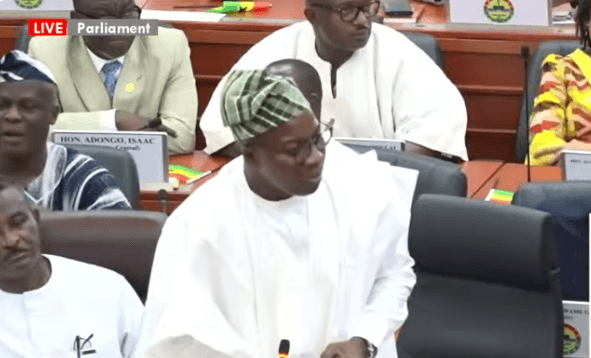
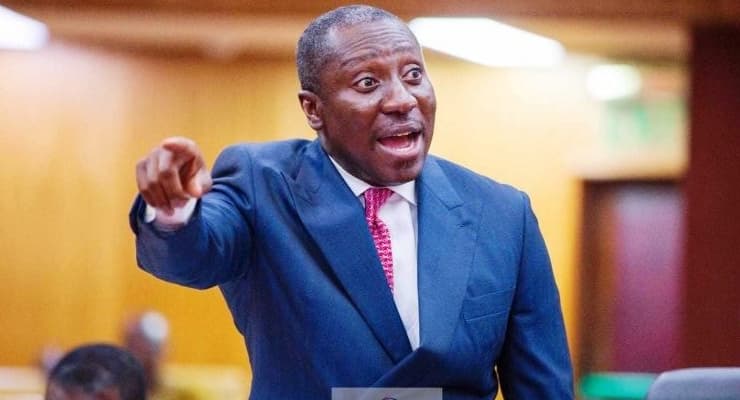
Speaking to journalists, Afenyo-Markin emphasized the importance of giving credit where it is due, stating,
"it is only fair that we acknowledge the role Dr. Bawumia played in developing this policy. As a nation, we must learn to appreciate and recognize the contributions of our leaders, regardless of their political affiliations."His comments have been seen as a call for unity and cooperation among Ghana's political leaders, and a recognition of the need to put the country's interests above partisan politics.
Expert Analysis
Experts have hailed the policy as a step in the right direction, citing its potential to increase Ghana's gold reserves and reduce the country's dependence on foreign currency. Dr. John Kwakye, a senior economist at the Institute of Economic Affairs, noted that "the policy has the potential to increase Ghana's gold reserves, which will in turn strengthen the Ghanaian cedi and reduce the country's vulnerability to external economic shocks." He added,
"the policy is a bold move, and its success will depend on the ability of the government to implement it effectively and efficiently."
Other experts have also weighed in on the policy, citing its potential benefits and challenges. Professor Emmanuel Asiedu, a lecturer at the University of Ghana Business School, noted that "the policy is a good example of how Ghana can leverage its natural resources to support its economy. However, its success will depend on the ability of the government to manage the policy effectively and ensure that it benefits all Ghanaians." He added,
"the government must also ensure that the policy is transparent and accountable, and that it does not create opportunities for corruption and abuse of power."
Implementation and Challenges
The implementation of the Gold-for-Reserve policy is expected to face several challenges, including the need to establish a robust framework for the collection and storage of gold, as well as the development of a system for valuing and auditing the gold reserves. According to Dr. Bawumia, "the implementation of the policy will require the cooperation of all stakeholders, including the government, the Bank of Ghana, and the mining industry." He added,
"we must work together to ensure that the policy is implemented effectively and efficiently, and that it benefits all Ghanaians."
Despite the challenges, many experts believe that the policy has the potential to make a significant impact on Ghana's economy. Dr. Kwame Pianim, a renowned economist, noted that "the policy is a step in the right direction, and it has the potential to increase Ghana's gold reserves and reduce the country's dependence on foreign currency." He added,
"the policy is a bold move, and its success will depend on the ability of the government to implement it effectively and efficiently."
In conclusion, the acknowledgment of Dr. Bawumia's role in developing the Gold-for-Reserve policy is a significant step towards recognizing the contributions of Ghana's leaders, regardless of their political affiliations. As the policy continues to be implemented, it is essential that all stakeholders work together to ensure its success and that it benefits all Ghanaians. The future of Ghana's economy depends on the ability of its leaders to put aside their differences and work towards a common goal, and the Gold-for-Reserve policy is a significant step in that direction. With the right implementation and management, the policy has the potential to make a significant impact on Ghana's economy, and to pave the way for a brighter future for all Ghanaians.