The Tamale water project, a major initiative by Ghana Water Limited, is poised to bring significant relief to communities in northern Ghana, which have long struggled with persistent water shortages. According to Stanley Martey, Director of Public Relations at Ghana Water Limited, this project is a critical step towards addressing the region's hydration challenges. The project's successful implementation is expected to have a profound impact on the lives of millions of people in the northern region, providing them with access to clean and reliable water.
The northern region of Ghana has faced severe water shortages for years, affecting not only the daily lives of residents but also the local economy. The lack of access to clean water has hindered agricultural development, impeded economic growth, and posed significant health risks to the population.
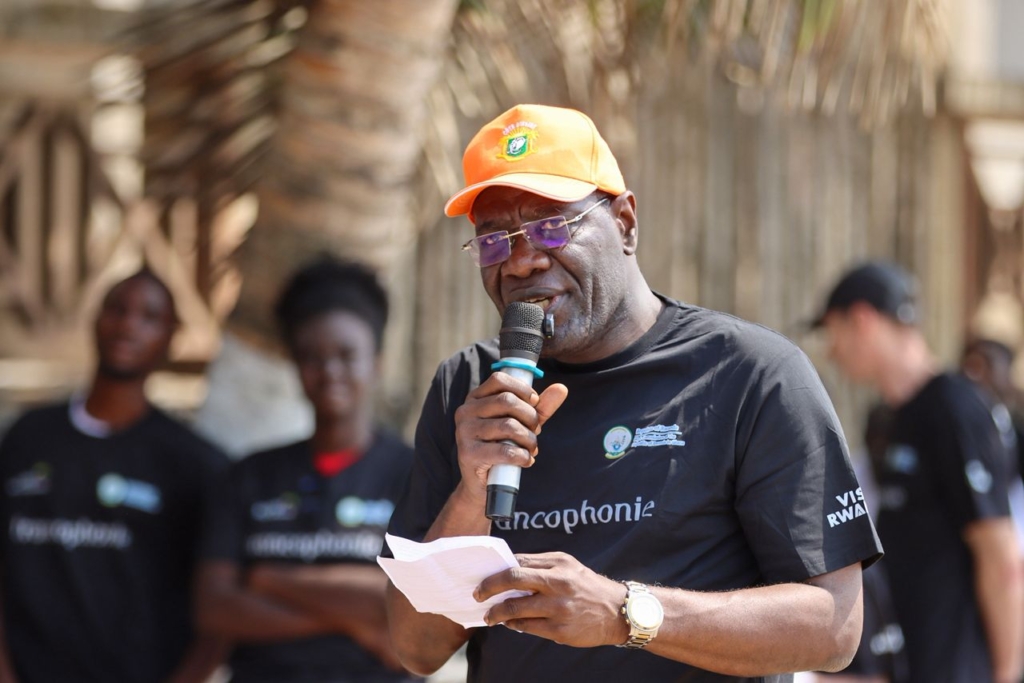
"The water shortages in northern Ghana have been a major concern for us, and we are committed to finding a lasting solution,"said Stanley Martey. The Tamale water project is a testament to Ghana Water Limited's dedication to improving the lives of Ghanaians, and its successful completion will be a major milestone in the company's efforts to expand access to clean water across the country.
Project Overview
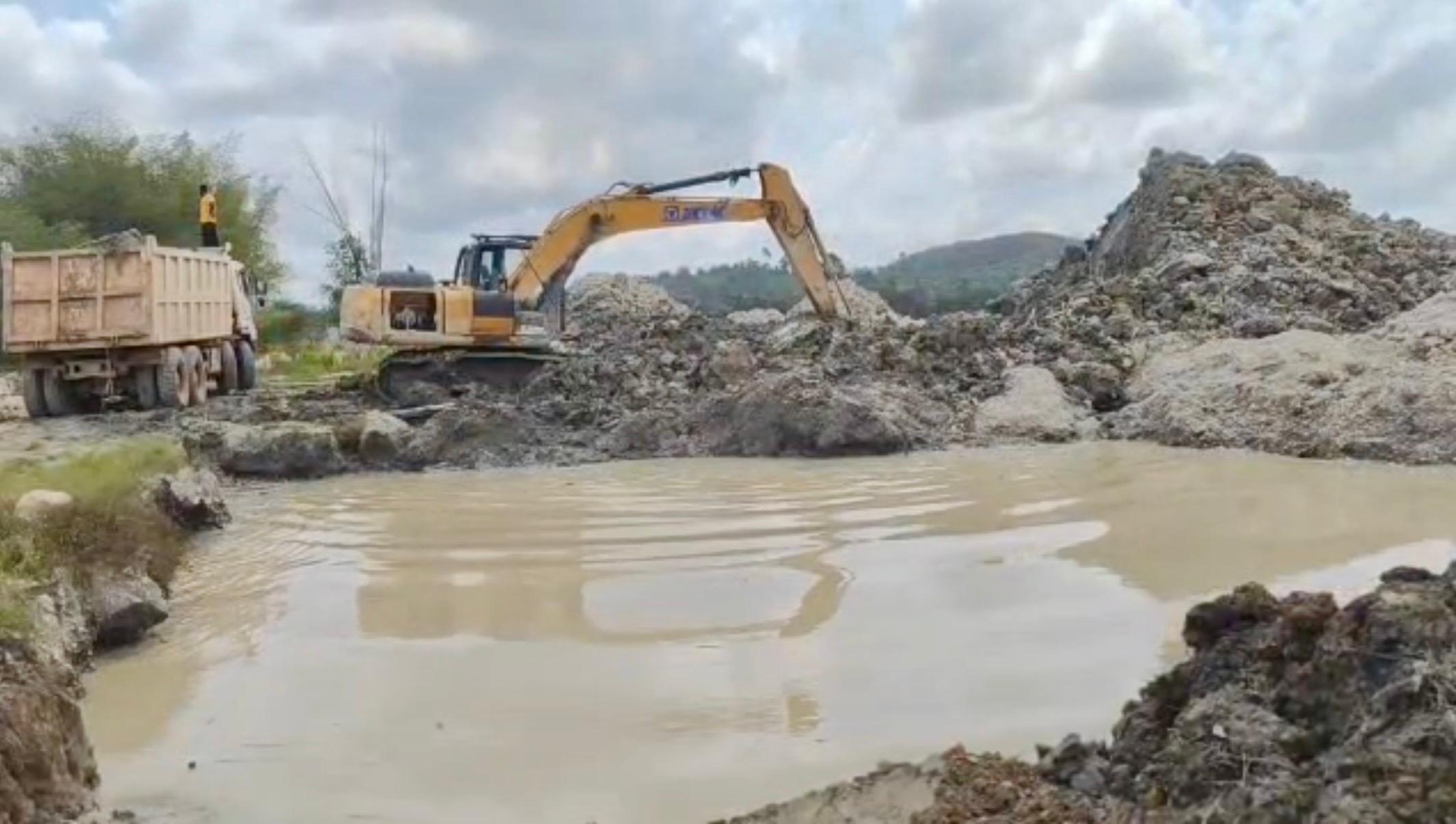
The Tamale water project involves the construction of a new water treatment plant, which will have the capacity to supply clean water to over 500,000 people in the Tamale metropolis and surrounding communities. The project also includes the rehabilitation of existing water distribution infrastructure, ensuring that the treated water reaches households and businesses efficiently. The project's design takes into account the region's growing population and increasing water demand, providing a sustainable solution to the region's hydration needs.
Experts have welcomed the project, citing its potential to transform the lives of people in northern Ghana.
"The Tamale water project is a game-changer for the northern region,"said Dr. Abdul-Rahman Abubakari, a water resources expert at the University of Development Studies. The project's impact will be felt across various sectors, including healthcare, education, and agriculture, as access to clean water is a fundamental prerequisite for human development. According to Dr. Abubakari,
"the project will not only improve the health and well-being of residents but also create opportunities for economic growth and development."
Implementation and Funding
The Tamale water project is a collaborative effort between Ghana Water Limited and the government of Ghana, with funding provided by a combination of domestic and international sources. The project's implementation is being carried out by a consortium of local and international contractors, who are working closely with Ghana Water Limited to ensure that the project is completed on time and within budget. The project's funding model is designed to ensure its sustainability and longevity, with provisions for ongoing maintenance and upgrades to the water infrastructure.
While the project's completion date is yet to be confirmed, officials are optimistic that it will be finished within the next two years.
"We are working tirelessly to ensure that the project is completed as soon as possible,"said Stanley Martey. The project's completion will be a major achievement for Ghana Water Limited and the government of Ghana, demonstrating their commitment to addressing the country's water challenges and improving the lives of Ghanaians.
Challenges and Opportunities
Despite the project's potential to transform the lives of people in northern Ghana, there are challenges that need to be addressed. One of the major concerns is the project's sustainability, given the region's fragile water resources and the potential impact of climate change. Officials are working to develop strategies to mitigate these risks and ensure the project's long-term viability. According to Dr. Abubakari,
"the project's success will depend on the ability of stakeholders to work together and address the challenges that arise during implementation."
Nevertheless, the Tamale water project presents a significant opportunity for Ghana to address its water challenges and improve the lives of its citizens. The project's successful implementation will serve as a model for other regions in Ghana, demonstrating the potential for collaborative efforts to drive development and improve access to basic services. As the project progresses, it is essential that stakeholders remain committed to its success, working together to overcome challenges and ensure that the project's benefits are felt by all.
In conclusion, the Tamale water project is a critical initiative that has the potential to alleviate the hydration woes of northern Ghana. With its successful implementation, millions of people in the region will gain access to clean and reliable water, improving their health, well-being, and economic prospects. As Ghana Water Limited and the government of Ghana work towards completing the project, it is essential that they remain focused on the needs of the people, ensuring that the project's benefits are equitably distributed and that its impact is felt for generations to come. The future of northern Ghana looks brighter with the Tamale water project, and its successful completion will be a major milestone in Ghana's efforts to address its water challenges and improve the lives of its citizens.