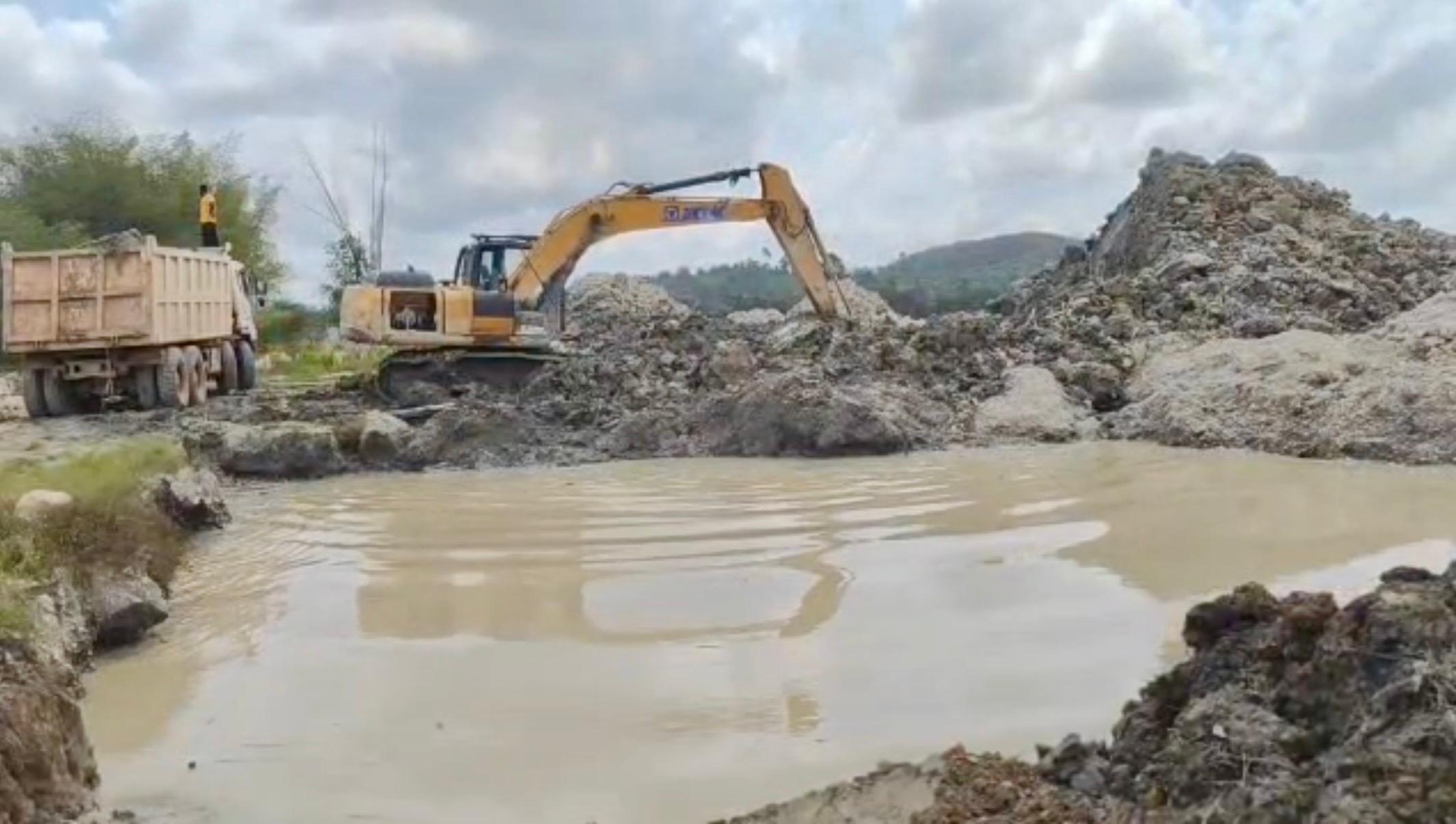
The Accra Metropolitan Assembly (AMA) has embarked on an ambitious mission to tackle the long-standing sanitation challenges at Agbogbloshie Market, one of the busiest trading hubs in the city. In a bid to restore the market to its former glory, the AMA has launched a large-scale clean-up exercise, which is being implemented in conjunction with a pilot waste management programme. The initiative, which commenced on the monthly sanitation day, aims to address the growing concerns of waste accumulation and poor sanitation in the area.
According to eyewitnesses, the clean-up exercise saw a massive deployment of workers, who worked tirelessly to clear the heavily clogged gutters filled with plastics, bottles, and other debris. The exercise was a welcome relief to traders and residents, who have been struggling with the effects of poor waste management in the area. Speaking to reporters, AMA’s Director of Waste Management, Solomon Noi, emphasized the need for a sustainable waste management system in the market, citing the persistent waste management issues that have plagued the area for years.
Challenges and Opportunities
The Agbogbloshie Market, known for its vibrant trading activities, has been struggling with waste management issues for a long time. The market, which attracts thousands of traders and customers daily, generates a significant amount of waste, including plastics, food waste, and other non-biodegradable materials.
“The situation at Agbogbloshie Market is a classic example of the challenges we face in managing waste in our cities,”said Dr. Ama Frimpong, a waste management expert at the University of Ghana.
“The lack of proper waste disposal facilities, coupled with the high volume of waste generated, has created a toxic environment that poses serious health risks to traders and residents.”
The AMA’s pilot waste programme is designed to address these challenges by introducing a more efficient and sustainable waste management system. The programme, which will be implemented in phases, will involve the deployment of additional waste collection trucks, construction of new waste transfer stations, and the introduction of a door-to-door waste collection system. The programme also aims to promote recycling and composting, with a focus on reducing the amount of waste that ends up in landfills.
Community Engagement and Education
A key component of the AMA’s pilot waste programme is community engagement and education. The AMA recognizes that the success of the programme depends on the active participation of traders, residents, and other stakeholders. To this end, the AMA has launched a public awareness campaign, aimed at educating the public on the importance of proper waste management and the benefits of the new waste management system.
“We need to change the mindset of our people, to make them understand that waste management is a collective responsibility,”said Solomon Noi, AMA’s Director of Waste Management.
“We are working closely with community leaders, traders, and residents to ensure that everyone is on board with the new programme.”
The AMA has also established a waste management committee, comprising representatives from the market association, community groups, and other stakeholders. The committee will work closely with the AMA to monitor the implementation of the programme and provide feedback on areas that need improvement. The AMA has also pledged to provide the necessary resources and support to ensure the success of the programme, including the provision of waste collection equipment, personal protective equipment, and training for waste management staff.
Conclusion and Future Prospects
The launch of the AMA’s pilot waste programme alongside the Agbogbloshie Market clean-up exercise marks a significant milestone in the city’s efforts to address its sanitation challenges. While there are still many challenges to overcome, the AMA’s initiative offers a glimmer of hope for a cleaner, healthier, and more sustainable environment. As the programme rolls out, it is expected that other municipalities will take cue from the AMA’s example, and implement similar initiatives to address their own waste management challenges. The success of the programme will depend on the sustained commitment of the AMA, as well as the active participation of the community. With the right mindset and the necessary resources, it is possible to create a cleaner, greener, and more livable city for all.