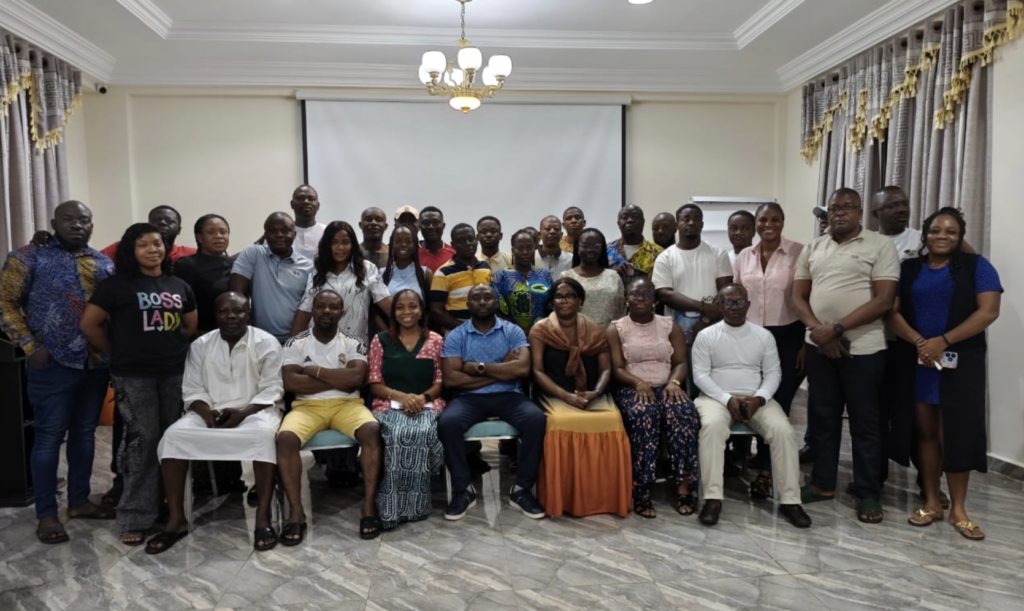
ACCRA, Ghana – The Parliament of Ghana, in a significant collaborative effort with the World Bank and the Foreign, Commonwealth, and Development Office (FCDO) of the United Kingdom, has concluded a two-day intensive capacity-building workshop aimed at bolstering the financial reporting capabilities of its Parliamentary Press Corps (PPC). The initiative, held this week, sought to equip journalists with enhanced skills to scrutinize public finances, thereby strengthening transparency, accountability, and public trust in governance.
The workshop brought together members of the PPC to delve into intricate aspects of public financial management, budget analysis, public debt, and the crucial oversight role of Parliament. Organizers emphasized the critical need for an informed media to effectively communicate complex financial data to the public, fostering a more engaged citizenry and promoting sound economic governance.
Enhancing Journalistic Acumen for Fiscal Scrutiny
The comprehensive training modules were meticulously designed to provide journalists with practical tools and theoretical knowledge essential for robust financial reporting. Topics ranged from understanding the national budget cycle and public expenditure tracking to demystifying the intricacies of international loans, grants, and their impact on national development. Experts also covered the principles of investigative financial journalism, data analysis, and the ethical considerations inherent in reporting on economic matters.
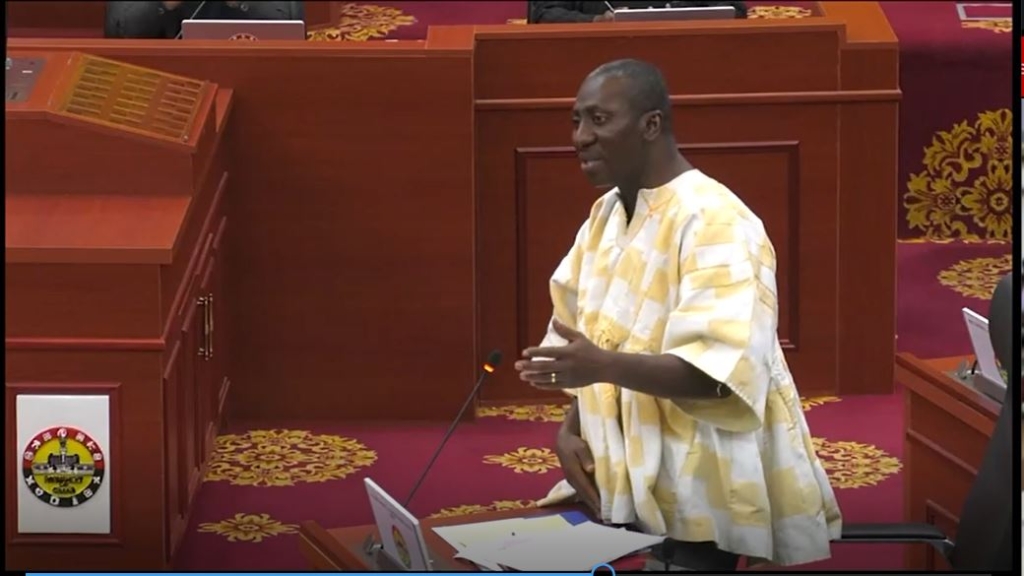
Addressing participants at the opening ceremony, the Speaker of Parliament, Right Honourable Alban Bagbin, underscored the indispensable role of the media in Ghana’s democratic framework. "A vibrant democracy thrives on an informed citizenry, and that information largely flows through the dedicated efforts of our journalists," Speaker Bagbin stated.
"This workshop is not merely about upskilling; it is about empowering you, the Fourth Estate, to hold power accountable, to demystify public finances, and to ensure that every cedi spent serves the public good. Parliament is committed to fostering a media environment where truth and transparency prevail, and financial literacy among reporters is paramount to achieving this."
Collaborative Drive for Transparency and Accountability
The partnership highlights a shared commitment among the collaborating entities to foster good governance and economic stability in Ghana. The World Bank, known for its global expertise in economic development and public financial management, played a pivotal role in designing the curriculum and providing technical resource persons.
Mr. Pierre Frank Laporte, the World Bank Country Director for Ghana, emphasized the global relevance of such initiatives.
"Effective financial reporting is a cornerstone of economic development. When journalists are equipped to analyze and report accurately on public finances, it not only enhances transparency but also empowers citizens to demand better service delivery and judicious use of resources," Mr. Laporte explained. "Our collaboration with the Parliament of Ghana and the FCDO underscores our commitment to strengthening institutional capacity and promoting sound fiscal policies that benefit all Ghanaians."
Similarly, the involvement of the FCDO accentuates the United Kingdom's dedication to supporting democratic institutions and promoting accountability worldwide. Ms. Harriet Thompson, British High Commissioner to Ghana, reiterated the UK’s support for media development.
"A free, independent, and well-equipped press is vital for any thriving democracy. By supporting initiatives like this, the UK is helping to ensure that Ghanaian journalists have the skills to report on complex financial issues with precision and impact," High Commissioner Thompson remarked. "This contributes directly to improved governance, reduced corruption, and better outcomes for the people of Ghana, aligning perfectly with our broader development objectives."
Journalists Express Readiness for Enhanced Oversight
Participants expressed overwhelming enthusiasm for the opportunity to deepen their understanding of public finance. Many highlighted the growing complexity of national and international economic issues, making specialized training indispensable.
Ms. Adwoa Mensah, a senior correspondent with the Parliamentary Press Corps, shared her perspective.
"Reporting on the national budget or public debt can be daunting due to the technical jargon and sheer volume of data. This workshop has not only demystified many of these concepts but has also provided us with practical tools for data visualization and investigative techniques," Ms. Mensah commented. "I now feel much more confident in my ability to dissect financial statements, ask pertinent questions, and present complex information in an accessible way for the public. This is a game-changer for our oversight role."
Another participant, Mr. Kwesi Ofori, noted the importance of understanding the linkages between parliamentary procedures and financial outcomes.
"The sessions on Parliament's oversight mechanisms and how legislation impacts fiscal policy were particularly insightful. It helps us connect the dots between policy decisions made in the House and their real-world economic implications," Mr. Ofori added. "This knowledge will undoubtedly lead to more incisive and impactful reporting."
A Step Towards Greater Fiscal Transparency
The organizers believe that the workshop will significantly enhance the quality and depth of financial reporting emanating from Parliament, thereby fostering greater public understanding and engagement with national economic issues. By empowering journalists to act as effective watchdogs, the initiative aims to contribute to a culture of fiscal discipline and responsible resource management.
This collaborative capacity-building endeavor marks a crucial step in strengthening Ghana’s democratic institutions and ensuring that the media continues to play its vital role in promoting transparency and accountability in the nation’s financial landscape. The enhanced skills of the Parliamentary Press Corps are expected to lead to more rigorous scrutiny of public funds, ultimately benefiting all citizens through better governance and sustainable development.