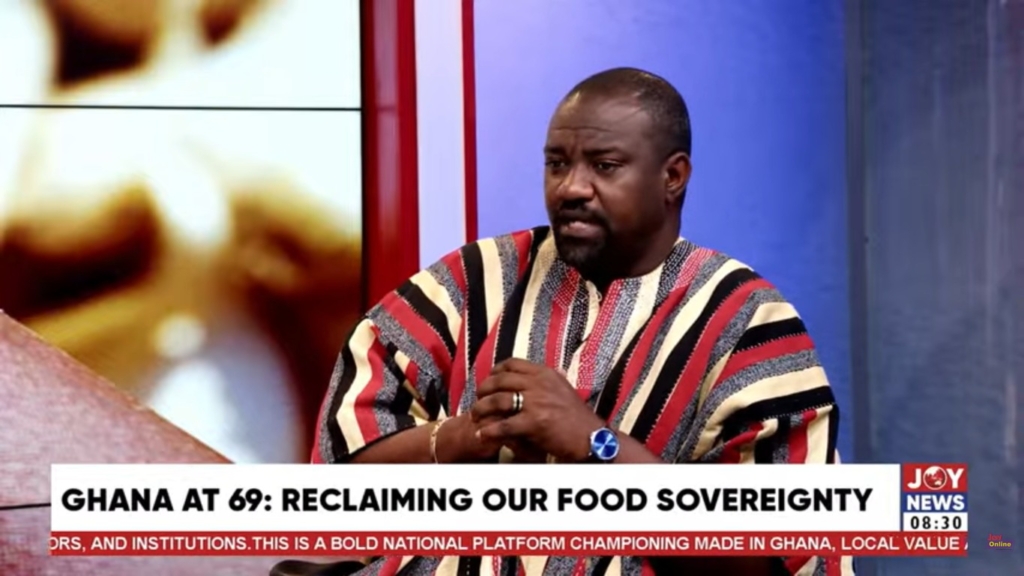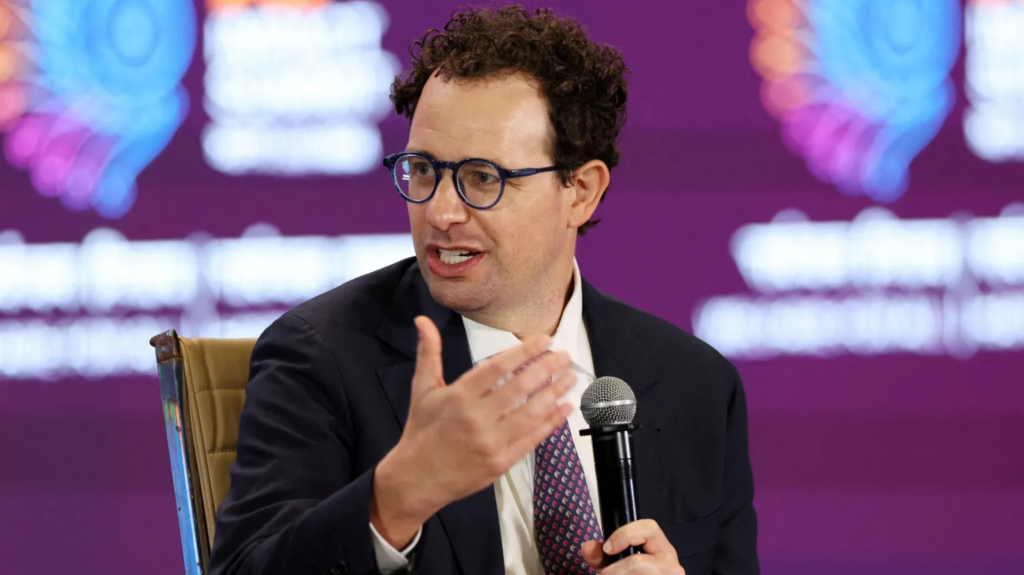
The issue of food smuggling from neighboring countries has become a pressing concern for Ghana's local agricultural industry, with Deputy Minister of Agriculture John Dumelo recently emphasizing the need for decisive action to curb the illicit trade. According to Dumelo, the smuggling of food products from Togo into Ghana poses a significant threat to the country's agricultural sector, which is a vital component of the national economy.
The problem of food smuggling is not new to Ghana, but it has gained increased attention in recent months due to its potential impact on the local industry. Smuggled goods, including rice, maize, and poultry products, are often sold at lower prices than their locally produced counterparts, making them more attractive to consumers. However, this has led to a decline in demand for locally produced food products, resulting in financial losses for Ghanaian farmers and agricultural businesses.
The Impact on Local Farmers
Local farmers have been particularly hard hit by the influx of smuggled food products. "The situation is alarming," said Kwame Owusu, a rice farmer from the Ashanti Region. "We invest our time, money, and resources into producing high-quality rice, only to have smuggled rice from Togo flood the market and undercut our prices. It's becoming increasingly difficult for us to make a living from farming."
Experts agree that the smuggling of food products from Togo is a complex issue that requires a multifaceted approach to resolve. "It's not just a matter of increasing border security," said Dr. Ama Okyere, an agricultural economist at the University of Ghana. "We need to address the underlying factors that drive the demand for smuggled goods, such as the price differential between local and imported products. We also need to support our local farmers by providing them with access to credit, technology, and other resources to enhance their productivity and competitiveness."
"The government needs to take a holistic approach to addressing the issue of food smuggling. This includes strengthening our border controls, supporting our local farmers, and educating consumers about the benefits of buying locally produced goods." - Dr. Ama Okyere
Government Response
In response to the growing concern over food smuggling, the Ghanaian government has pledged to take firm action to curb the illicit trade. According to Deputy Minister Dumelo, the government is working to strengthen border security and increase surveillance to prevent smuggled goods from entering the country. Additionally, the government is implementing measures to support local farmers, including providing them with access to credit and other resources to enhance their productivity and competitiveness.
"We are committed to protecting our local industry and ensuring that our farmers have a fair chance to compete in the market," said Dumelo. "We will work with all stakeholders, including farmers, traders, and consumers, to address the issue of food smuggling and promote the growth and development of our agricultural sector."
Way Forward
While the issue of food smuggling from Togo is a challenging one, experts are optimistic that with the right approach, it can be addressed. "It will require a sustained effort from all stakeholders, including the government, farmers, and consumers," said Owusu. "But if we work together, we can create a more favorable environment for our local farmers to thrive and contribute to the growth and development of our economy."
In conclusion, the smuggling of food products from Togo into Ghana is a significant threat to the country's local agricultural industry. However, with the government's commitment to taking decisive action and the support of stakeholders, including farmers, traders, and consumers, it is possible to curb the illicit trade and promote the growth and development of the sector. As the government and stakeholders work together to address this issue, Ghana's local industry is likely to emerge stronger and more resilient, with a brighter future for farmers, agricultural businesses, and the economy as a whole.