The Assembly of Experts will play a crucial role in determining the future direction of Iran, as the new supreme leader will have significant influence over the country's domestic and foreign policies. "The supreme leader is the highest authority in Iran, and his successor will have a profound impact on the country's relationships with other nations," said Dr. Hossein Mousavian, a former Iranian diplomat and current professor at Princeton University. "The Assembly of Experts will need to carefully consider the qualifications and experience of each candidate to ensure that the new supreme leader is capable of leading the country effectively."
Potential Successors
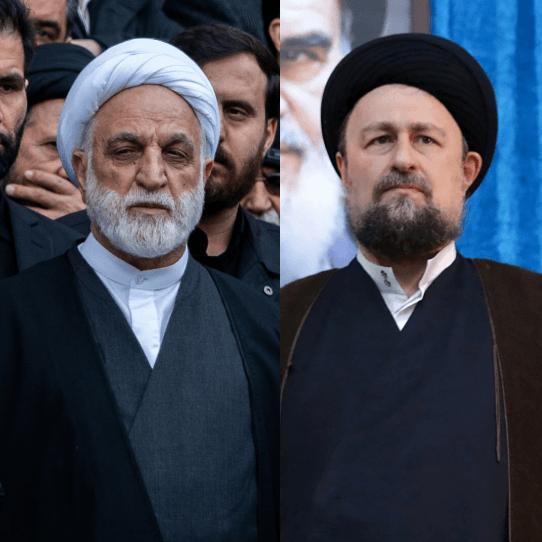
Several individuals have been mentioned as potential successors to Ayatollah Khamenei, including Ayatollah Sadeq Larijani, the current head of the judiciary, and Ayatollah Mohsen Araki, a senior cleric and former member of the Assembly of Experts. Both men have close ties to the Iranian establishment and are considered to be highly influential figures within the country's clerical elite. However, other candidates, such as Ayatollah Hassan Rouhani, the former president of Iran, may also be considered, despite his more moderate views and reputation for being a pragmatist.
"The selection process will be guided by the principles of the Iranian constitution and the requirements of the supreme leader's role," said Ali Akbar Velayati, a senior advisor to Ayatollah Khamenei and former foreign minister. "The new supreme leader must be a qualified and experienced cleric who is capable of providing spiritual and political guidance to the nation."
Domestic and International Implications
The succession process in Iran is likely to have significant implications for both domestic and international affairs. The new supreme leader will face a range of challenges, including a struggling economy, widespread discontent among the population, and tensions with other countries in the region. "The new supreme leader will need to address the economic and social problems facing Iran, while also navigating the complex web of relationships with other nations," said Dr. Sanam Vakil, a specialist on Iranian politics at Chatham House. "This will require a high degree of skill and diplomacy, as well as a deep understanding of the complexities of international relations."
Iran's relationships with other countries, particularly in the Middle East, are likely to be affected by the succession process. The new supreme leader may adopt a different approach to foreign policy, potentially leading to changes in Iran's relationships with countries such as the United States, Saudi Arabia, and Israel. "The new supreme leader will have a significant impact on Iran's foreign policy, and may seek to improve relations with other countries or adopt a more confrontational approach," said Dr. Kenneth Katzman, a specialist on Iranian affairs at the Congressional Research Service. "This could have far-reaching implications for the region and the world."
Conclusion
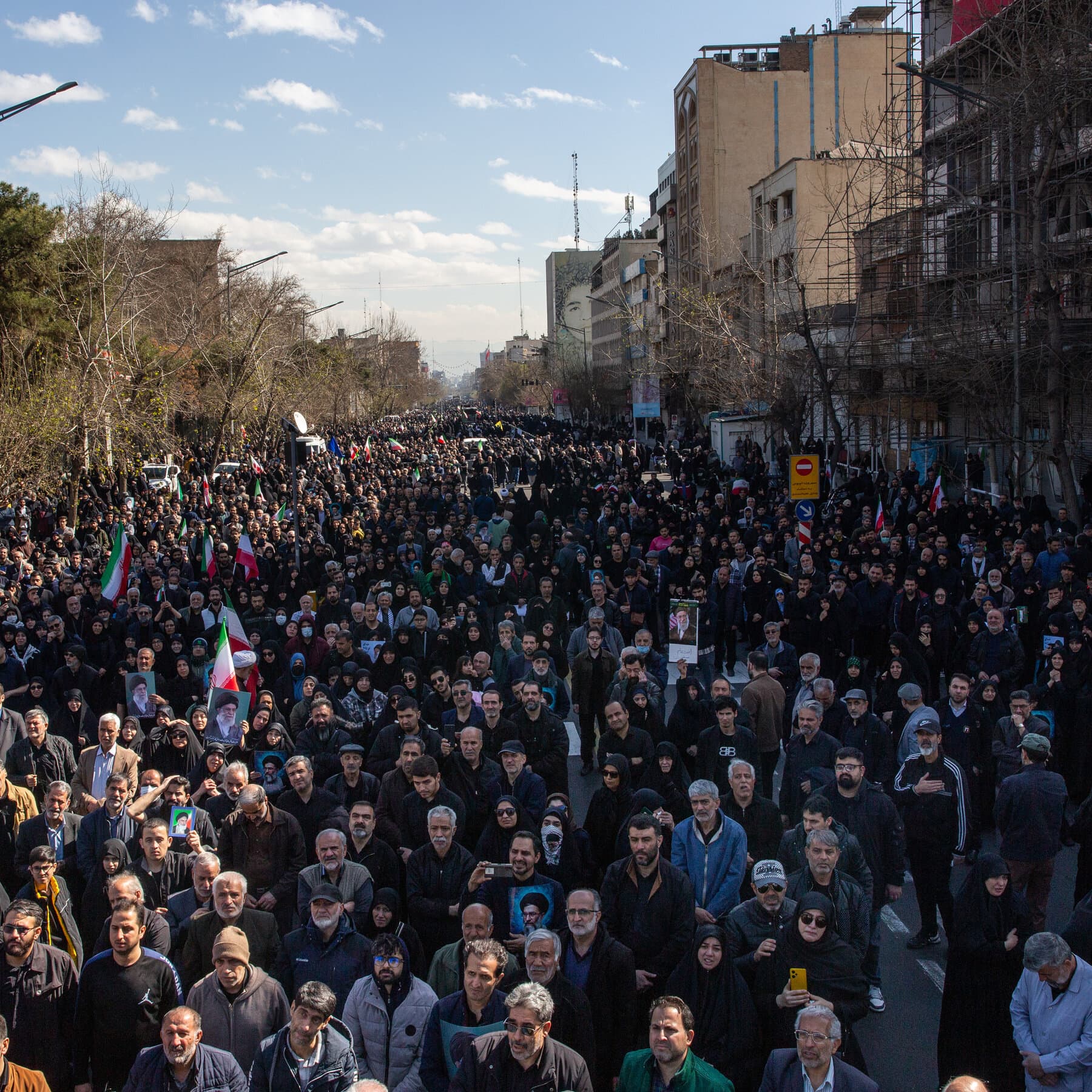
The death of Ayatollah Ali Khamenei has created a power vacuum in Iran, and the succession process is likely to be closely watched by governments and analysts around the world. The new supreme leader will face significant challenges, both domestically and internationally, and will need to possess a high degree of skill, experience, and wisdom to navigate the complexities of Iranian politics and foreign policy. As the Assembly of Experts begins the process of selecting a new supreme leader, the world will be watching with great interest to see who will emerge as the next leader of Iran, and what direction the country will take under their guidance.