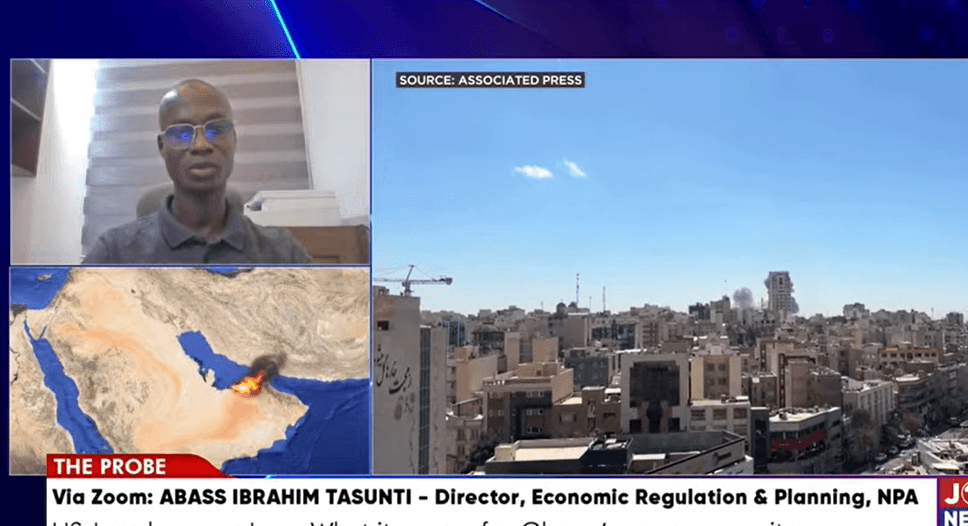
The assassination of Ayatollah Khamenei is a significant blow to the Iranian government, and its impact is being felt across the globe. According to Dr. Sanam Vakil, a Middle East expert at Chatham House, "The killing of Khamenei is a seismic event that will have far-reaching consequences for the region. It's a game-changer that will likely lead to a period of instability and potentially even more violence." As the news of Khamenei's death spread, many Iranians expressed their shock and disbelief, with some taking to social media to share their thoughts and reactions.
Reactions to the Assassination
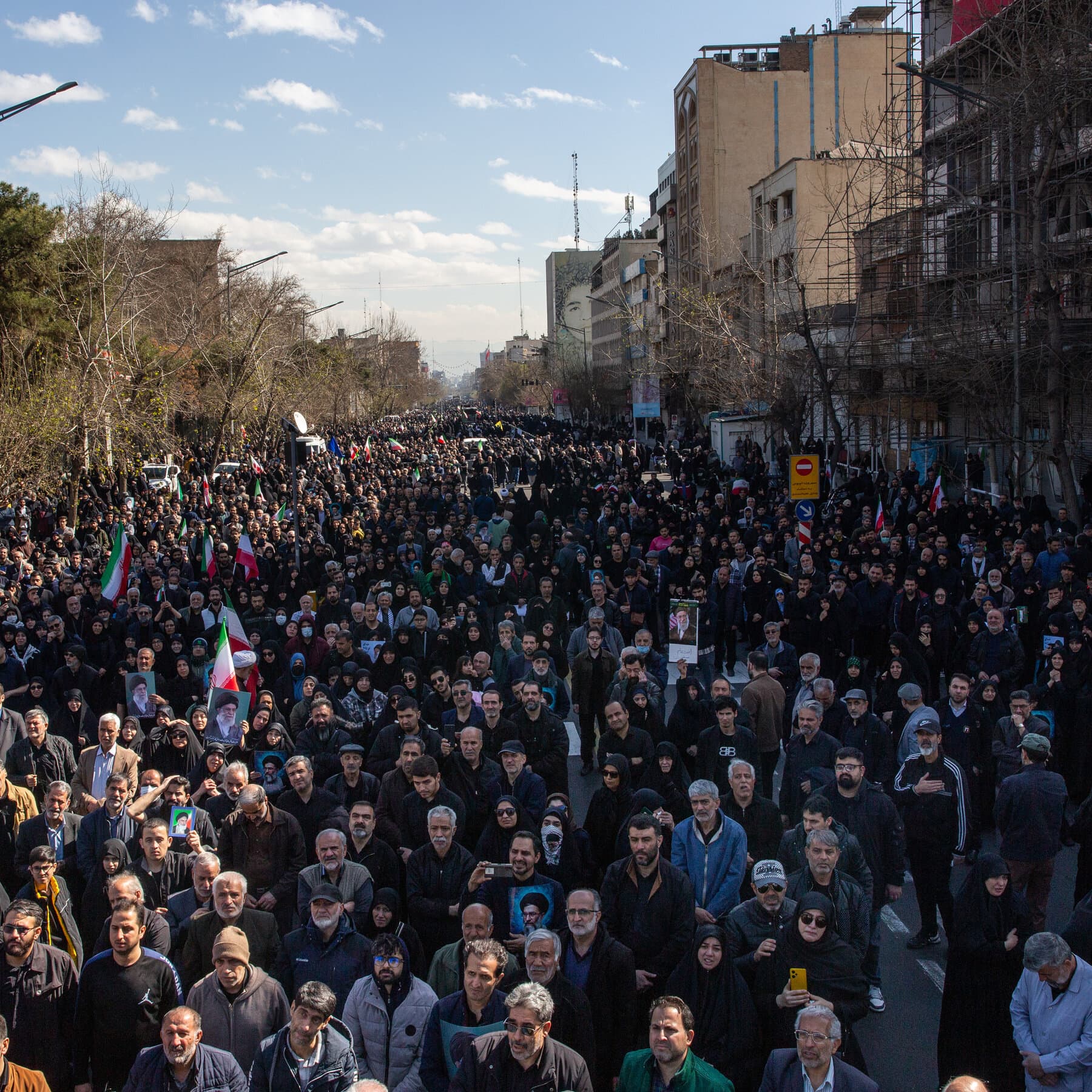
While some Iranians celebrated the killing of Khamenei, others were more somber in their response.
"It's surreal," said Amir Hossein, a 32-year-old Tehran resident. "I never thought I'd see the day when the Supreme Leader would be killed. It's a lot to take in, and I'm not sure what the future holds for our country."The divided reaction to Khamenei's death reflects the complex and often contradictory nature of Iranian society, where many people have grown disillusioned with the government's authoritarian rule, while others remain fiercely loyal to the Islamic Republic.
As the Iranian government struggles to come to terms with the loss of its Supreme Leader, officials from around the world are weighing in on the implications of the assassination. US Secretary of State, Antony Blinken, released a statement saying, "The United States and its allies will continue to work towards a more peaceful and stable Middle East, and we will do everything in our power to support the Iranian people as they navigate this difficult time." The Israeli government has also issued a statement, with Prime Minister Benjamin Netanyahu saying, "The killing of Ayatollah Khamenei is a major blow to terrorism and a significant step forward in the fight against extremist forces in the region."
Impact on Regional Stability
The assassination of Ayatollah Khamenei has raised concerns about the potential for increased instability in the region. Dr. Trita Parsi, founder of the National Iranian American Council, warned, "The killing of Khamenei could lead to a power vacuum in Iran, which could be exploited by hardline factions and potentially even extremist groups. This could have serious consequences for the region and the world at large." As the situation continues to unfold, many are watching with bated breath to see how the Iranian government will respond to the loss of its Supreme Leader and what the implications will be for the broader region.
In the aftermath of the assassination, Iranian authorities have imposed a state of emergency, with security forces deployed to major cities to maintain order. The government has also announced a period of national mourning, with many businesses and institutions closed until further notice. As the country begins to come to terms with the loss of its Supreme Leader, many are wondering what the future holds for Iran and the region. According to Dr. Suzanne Maloney, a senior fellow at the Brookings Institution, "The assassination of Khamenei marks the beginning of a new era in Iranian politics, one that will be shaped by the complex interplay of internal and external factors. It's too early to say what the outcome will be, but one thing is certain – the Middle East will never be the same again."
As the international community continues to grapple with the implications of Ayatollah Khamenei's assassination, the people of Iran are left to ponder the uncertain future of their country. With the government facing a major crisis of leadership and the region teetering on the brink of instability, the coming days and weeks will be crucial in determining the course of events. As Iranian activist, Masih Alinejad, so eloquently put it, "The killing of Khamenei is not just the end of an era – it's a new beginning for the Iranian people. We have a chance to rebuild and create a better future for ourselves and our children. Let's hope that we can seize this opportunity and create a brighter tomorrow."
In conclusion, the assassination of Ayatollah Ali Khamenei has sent shockwaves throughout the Middle East, leaving Iranians and the international community to ponder the implications of this seismic event. As the situation continues to unfold, one thing is certain – the future of Iran and the region will be shaped by the complex interplay of internal and external factors, and the coming days and weeks will be crucial in determining the course of events. The world will be watching with bated breath as Iran navigates this difficult time, and the international community will be called upon to play a supporting role in helping the country to rebuild and create a more peaceful and stable future.