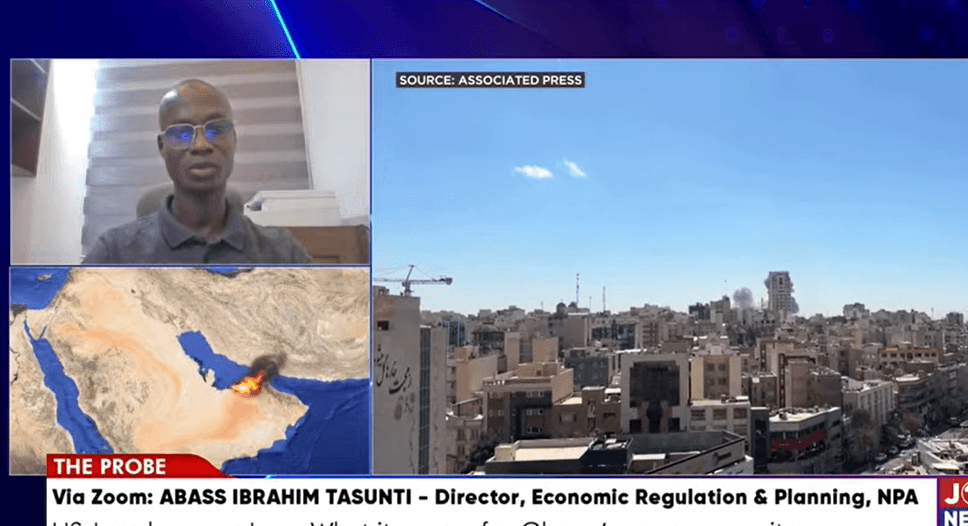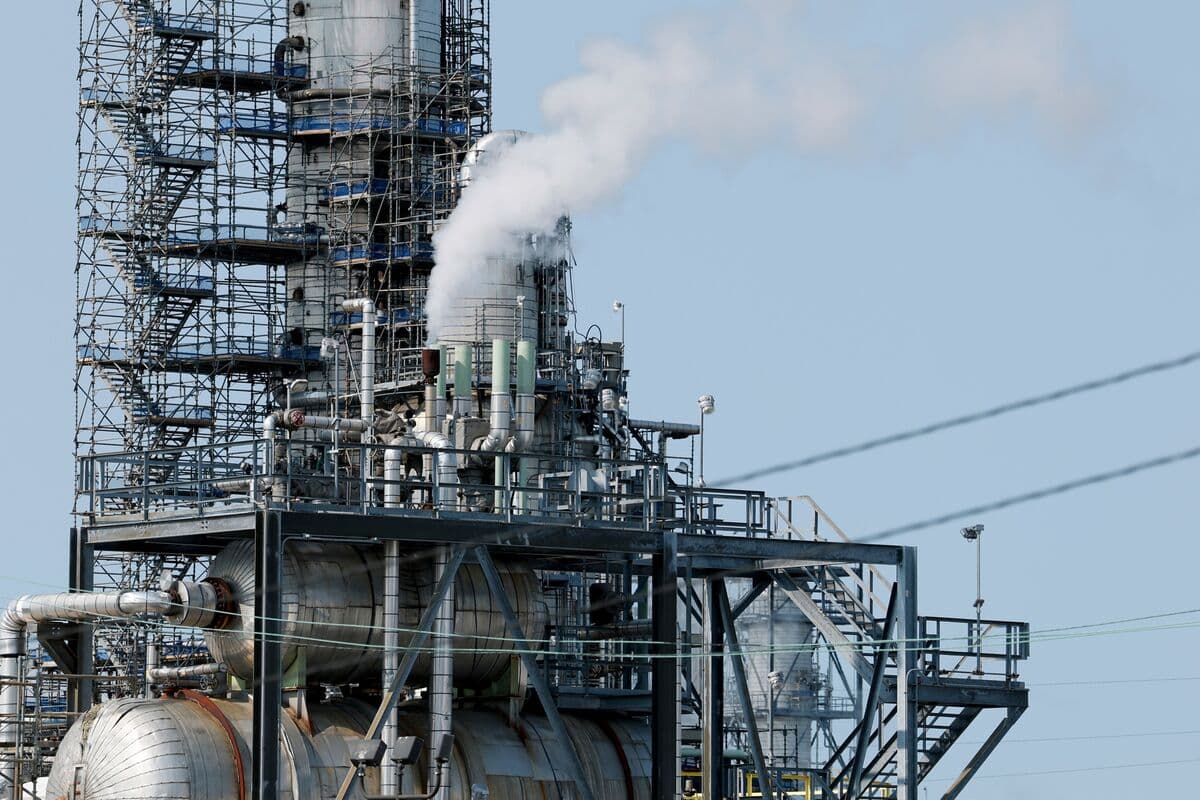
The current conflict in the Middle East has raised concerns about the stability of the global oil market, with many experts warning of potential supply chain disruptions. "The situation in the Middle East is very volatile, and it's likely to affect oil prices globally," said Dr. Kwame Ampofo, a energy expert at the University of Ghana. "As a net importer of fuel, Ghana will likely feel the effects of any price increases, which could have a ripple effect on the entire economy." The country's reliance on imported fuel makes it particularly vulnerable to fluctuations in the global market, and any disruption to supply chains could have serious consequences for consumers and businesses alike.
Impact on Fuel Prices
The potential impact on fuel prices is a major concern for Ghanaian consumers, who are already struggling to cope with the rising cost of living. "We're seeing a lot of uncertainty in the market, and that's making it difficult for us to predict what will happen to fuel prices in the coming weeks," said Emmanuel Mensah, a fuel station owner in Accra. "If the conflict in the Middle East escalates, we could see prices rise even further, which would be a disaster for our business and for consumers." The Ghanaian government has pledged to take steps to mitigate the effects of any price increases, but it remains to be seen what measures will be taken to protect consumers.
"The government is closely monitoring the situation in the Middle East and its potential impact on our fuel prices. We're working with stakeholders to find ways to minimize the effects of any price increases and ensure that consumers are protected." - Hon. John-Peter Amewu, Minister of Energy
Global Oil Market Volatility
The global oil market is notoriously volatile, and the current conflict in the Middle East is just the latest in a long line of factors that have contributed to price fluctuations in recent years. "The oil market is subject to a wide range of influences, from geopolitical tensions to changes in global demand," said Dr. Yussif Fatah, a petroleum economist. "The situation in the Middle East is just one of many factors that could impact oil prices, and it's difficult to predict what will happen next." Despite the uncertainty, one thing is clear: Ghana's fuel market will be closely watching developments in the Middle East, and any disruption to supply chains could have serious consequences for consumers and businesses alike.
In the short term, Ghanaian consumers can expect to see fuel prices rise, although the extent of any increases will depend on a range of factors, including the severity of the conflict in the Middle East and the government's response to the situation. In the longer term, the country may need to consider strategies to reduce its reliance on imported fuel, such as investing in renewable energy sources or promoting the use of alternative fuels. For now, however, the focus is on mitigating the effects of any price increases and ensuring that consumers are protected from the worst of the volatility in the global oil market.
As the situation in the Middle East continues to unfold, Ghana's fuel market will be watching with bated breath. The potential consequences of any disruption to supply chains are serious, and it's clear that the country will need to take a proactive approach to mitigating the effects of any price increases. With the government, industry stakeholders, and consumers all playing a crucial role, it's likely to be a challenging few weeks ahead. As Duncan Amoah warned, "the next shipments will be critical, and we need to be prepared for any eventuality." Only time will tell what the ultimate impact will be, but one thing is certain: Ghana's fuel market will be feeling the effects of the conflict in the Middle East for some time to come.