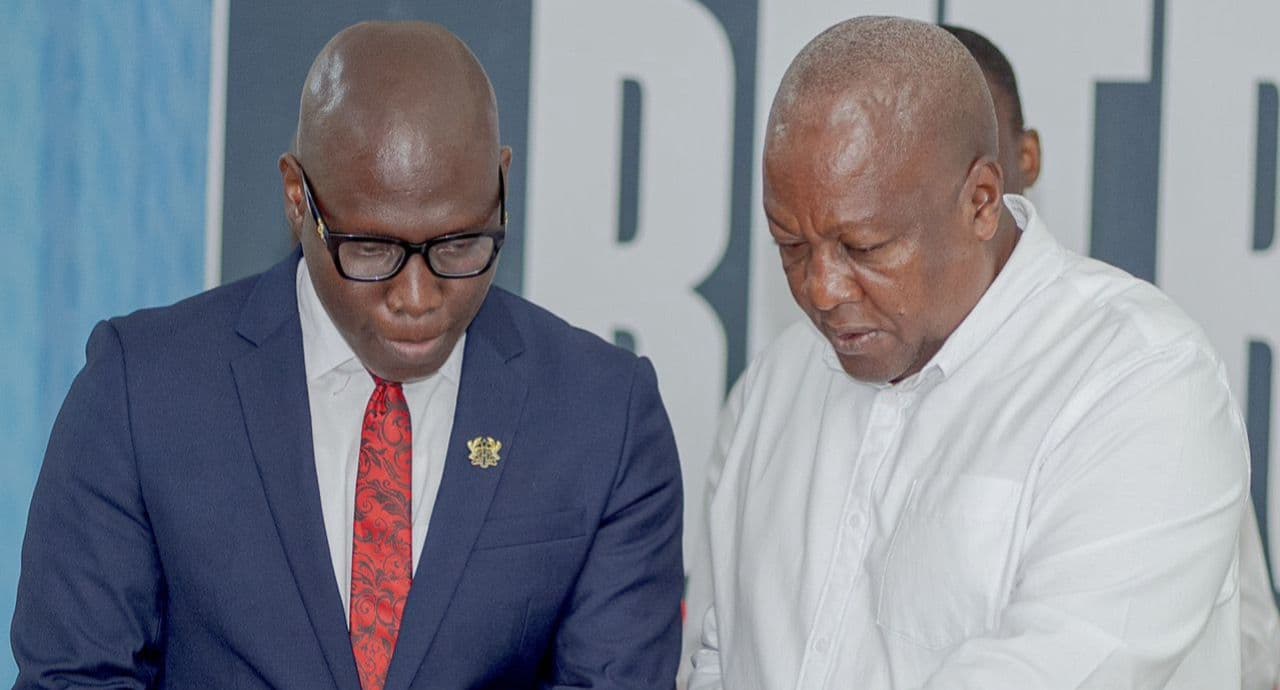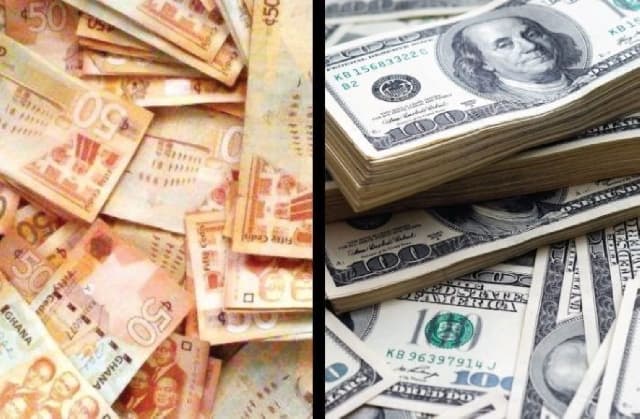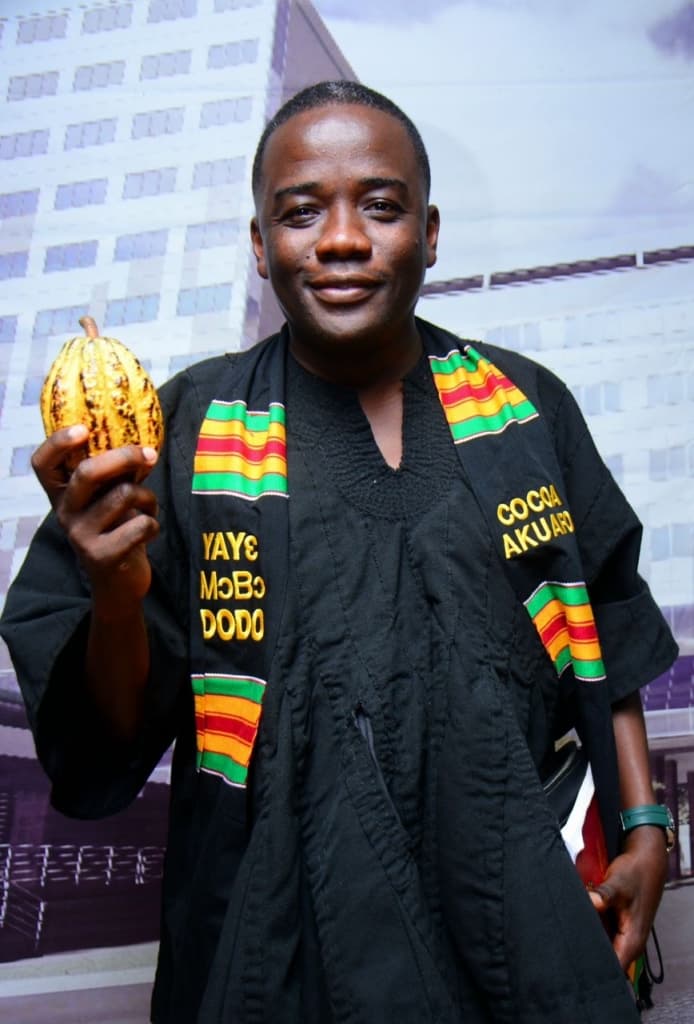
The controversy surrounding President Mahama's macroeconomic claims has been simmering for some time, with many experts and opposition lawmakers expressing skepticism over the government's economic data. Dr. Eric Osei-Assibey, a senior lecturer at the University of Ghana's Economics Department, notes that while the government has made significant strides in certain areas, such as infrastructure development and social services, the overall economic landscape remains challenging. "The government's macroeconomic claims need to be scrutinized in the context of the broader economic realities," Dr. Osei-Assibey said. "We need to look beyond the headline numbers and examine the underlying trends and structural issues that are affecting the economy."
Economic Indicators Under Scrutiny
The government's macroeconomic claims have been based on a range of indicators, including GDP growth, inflation, and unemployment rates. However, opposition lawmakers and experts have questioned the accuracy of these indicators, arguing that they do not fully capture the complexities of the economy.
"The government's reliance on aggregate indicators masks the disparities and inequalities that exist within the economy," said Dr. Festus Ebo Turkson, a development economist. "We need to look at the distributional effects of economic policies and how they impact different segments of the population."Poku-Adusei's criticism of the government's macroeconomic claims has highlighted the need for a more nuanced understanding of the economy, one that takes into account the diverse experiences and challenges faced by Ghanaians.
The debate over the government's macroeconomic claims has also raised questions about the effectiveness of economic policies and the need for a more inclusive and sustainable growth model. Mr. Courage Quashigah, a policy analyst, argues that the government's economic policies have been overly focused on short-term gains, rather than long-term sustainability. "We need to rethink our economic strategy and prioritize investments in key sectors, such as agriculture, manufacturing, and infrastructure," Quashigah said. "This will help to create jobs, stimulate growth, and reduce poverty and inequality."
Call for Policy Reforms
The controversy surrounding President Mahama's macroeconomic claims has sparked calls for policy reforms and a more transparent approach to economic governance. Poku-Adusei and other opposition lawmakers have urged the government to re-examine its economic policies and engage in a more inclusive and participatory process.
"The government needs to listen to the concerns of citizens and respond to their needs," Poku-Adusei said. "We need to work together to build a more equitable and prosperous economy that benefits all Ghanaians."The call for policy reforms has been echoed by civil society groups and development partners, who have emphasized the need for a more coordinated and sustainable approach to economic development.
As the debate over the government's macroeconomic claims continues, it is clear that the issues at stake are complex and multifaceted. The government's economic policies have been shaped by a range of factors, including global economic trends, domestic political considerations, and social and economic priorities. However, the criticism leveled by Poku-Adusei and other experts highlights the need for a more nuanced and inclusive approach to economic governance. By engaging in a more open and transparent dialogue, the government can work to address the concerns of citizens and build a more sustainable and equitable economy.
In conclusion, the controversy surrounding President Mahama's macroeconomic claims has highlighted the need for a more critical and nuanced understanding of the economy. As Ghana continues to navigate the challenges of economic development, it is essential that policymakers and stakeholders engage in a more inclusive and participatory process. By working together to address the complexities and challenges of the economy, Ghanaians can build a more prosperous and equitable future for all. The coming months and years will be crucial in determining the trajectory of Ghana's economic development, and it remains to be seen how the government will respond to the criticism and calls for policy reforms. One thing is certain, however: the need for a more accurate and realistic understanding of the economy is paramount, and it is only through a more nuanced and inclusive approach that Ghana can achieve sustainable and inclusive growth.