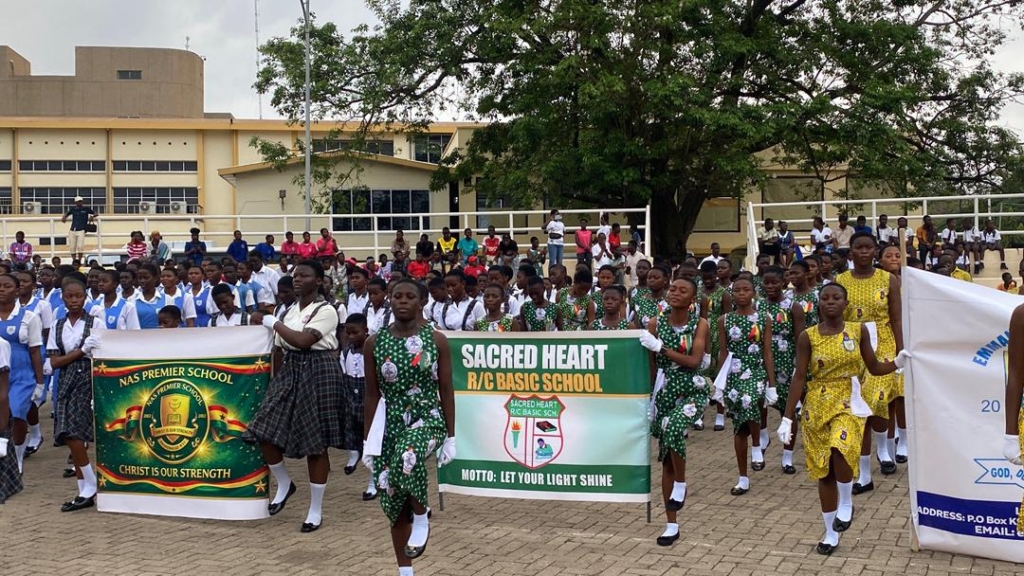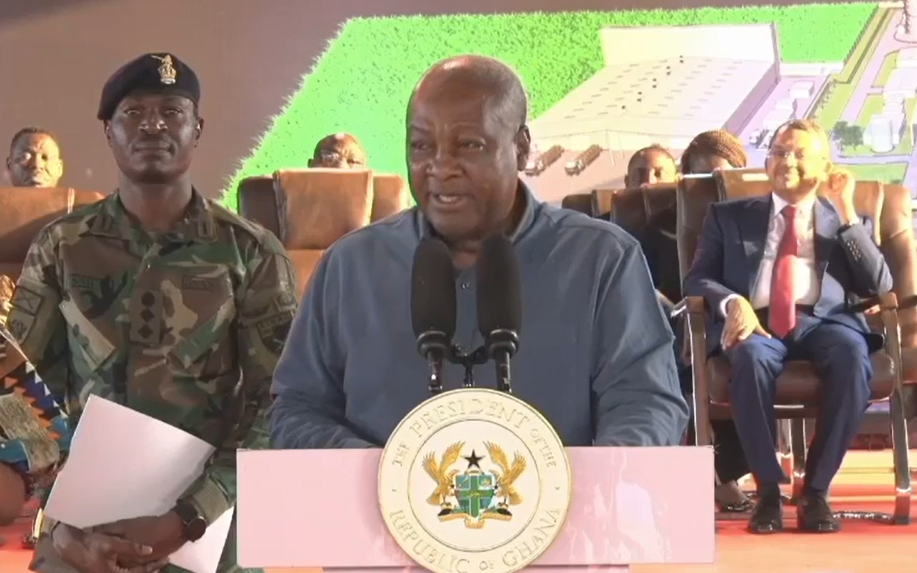
The birthday celebration, attended by hundreds of villagers, was intended to showcase the republic's achievements and unity. The elders' speeches focused on the village's history, cultural heritage, and the importance of community. Nevertheless, the boy's question, "If the child is sixty-nine… why does he still live in his father's room?" struck a chord with many, as it underscored the republic's failure to adequately address issues such as housing, education, and economic development. According to Dr. Ama Biney, a leading expert on Sikakrom's social and economic development, "The question posed by the young boy is a stark reminder of the republic's unfulfilled promises and the need for urgent reform."
Unmet Expectations and Unfulfilled Promises
Many Sikakrom residents have expressed disappointment and frustration with the republic's lack of progress in key areas. Mr. Kofi Owusu, a local business owner, stated, "We were expecting more tangible results from our leaders, but instead, we get empty promises and grand speeches. It's time for our leaders to take concrete actions to address our concerns." The republic's failure to provide adequate housing, education, and job opportunities has led to widespread discontent among its citizens. As Ms. Adjoa Addo, a community leader, noted, "The fact that our oldest child still lives in his father's room is a symbol of our collective failure to create a better future for ourselves and our children."
"The question posed by the young boy is not just a simple inquiry, but a call to action. It's a reminder that we need to re-examine our priorities and work towards creating a more equitable and just society," said Dr. Biney. "We need to move beyond rhetoric and focus on implementing practical solutions to our problems."
A Call to Action
In response to the boy's question, the village elders have announced plans to establish a committee to address the issues raised. The committee, comprising local leaders and experts, will be tasked with developing a comprehensive plan to tackle the republic's housing, education, and economic development challenges. Mr. Owusu welcomed the initiative, saying, "It's a step in the right direction, but we need to ensure that the committee's recommendations are implemented and not just left on paper." Ms. Addo added, "We need to hold our leaders accountable for their actions and demand tangible results. The future of our republic depends on it."
As the Republic of Sikakrom looks to the future, it is clear that the boy's question has struck a nerve. The village's leaders must now respond with concrete actions, rather than just words, to address the pressing issues facing their citizens. Dr. Biney emphasized, "The republic's 69th birthday celebration should serve as a catalyst for positive change. We need to work together to create a better future for all Sikakrom residents, and that starts with providing our citizens with the basic necessities of life, including decent housing, quality education, and economic opportunities."
In conclusion, the Republic of Sikakrom's 69th birthday celebration has highlighted the need for urgent reform and collective action. As the village moves forward, it is essential that its leaders prioritize the needs of their citizens and work towards creating a more just and equitable society. The boy's question may have been seen as provocative, but it has sparked a necessary conversation about the republic's future. As Ms. Addo noted, "The future of our republic is in our hands, and it's time for us to take responsibility for creating a better tomorrow." The coming months and years will be crucial in determining the republic's trajectory, and it remains to be seen whether its leaders will rise to the challenge and provide the solutions that their citizens so desperately need.