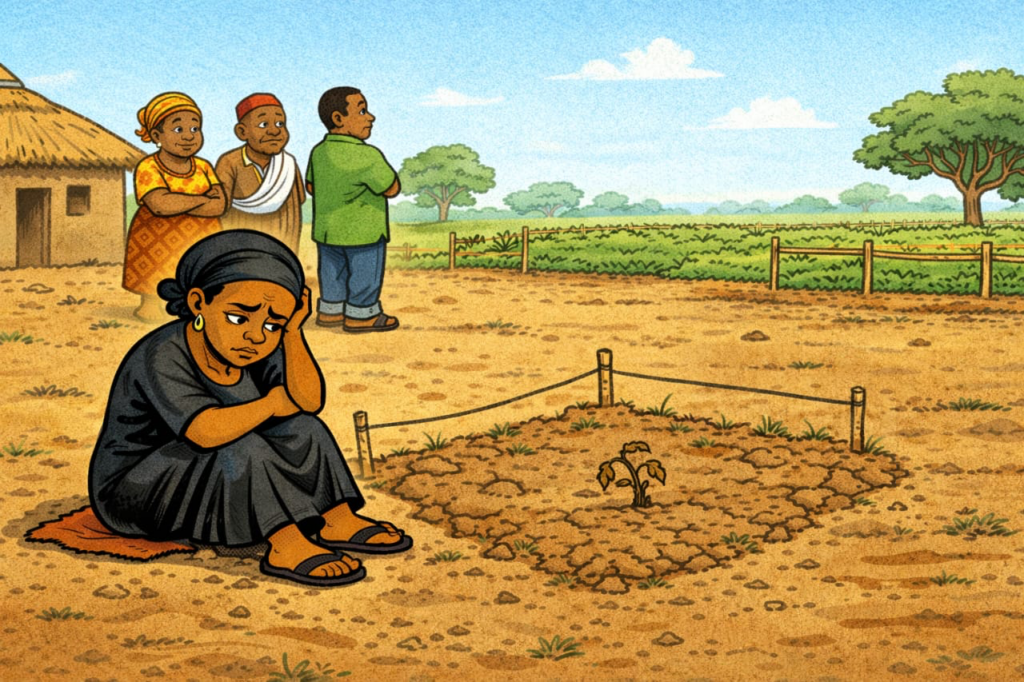
A staggering number of widows in rural areas are being coerced into providing sexual favors in exchange for access to basic resources such as farmland and credit, highlighting a grave human rights issue that demands immediate attention from state and traditional authorities. According to recent findings, one in every two widows who have attempted to access a productive resource has been asked to provide sexual favors, underscoring the depth of the problem.
The situation is particularly dire in areas where traditional practices and patriarchal norms dominate, leaving widows vulnerable to exploitation. With limited access to education, economic opportunities, and social support, these women are often forced to rely on the very individuals and systems that perpetuate their oppression. As noted by Dr. Maria Rodriguez, a leading expert on women's rights, "The fact that widows are being asked to trade their bodies for land is a clear indication of the systemic failures that exist in our society. It's a shameful reality that we must confront head-on."
The Human Cost of Exploitation
The consequences of this exploitation are far-reaching and devastating. Widows who are forced to provide sexual favors in exchange for resources are often traumatized and stigmatized by their communities, making it even more challenging for them to access the support they need. Furthermore, this form of exploitation can have serious health implications, including the transmission of diseases such as HIV/AIDS. As Ms. Fatima Hassan, a community leader, poignantly notes, "These women are not just fighting for their rights; they are fighting for their very lives. We must do everything in our power to support them."
The situation is further complicated by the fact that many widows are unaware of their rights and lack the knowledge and resources to navigate the complex web of laws and regulations that govern land ownership and access to credit. This lack of awareness creates a power imbalance that is often exploited by unscrupulous individuals and institutions. According to Mr. John Kamau, a lawyer specializing in women's rights, "The law is clear: widows have the right to access resources without being subjected to exploitation. However, the reality on the ground is often very different. We need to do more to educate widows about their rights and provide them with the support they need to assert those rights."
A Call to Action
In response to this crisis, human rights organizations and community groups are calling on state and traditional authorities to take immediate action to protect the rights of widows. This includes strengthening laws and regulations to prevent exploitation, increasing access to education and economic opportunities, and providing support services to widows who have been traumatized by exploitation. As Dr. Rodriguez emphasizes, "We need a comprehensive approach that addresses the root causes of this problem. This includes working with traditional leaders to change attitudes and practices, as well as providing widows with the resources and support they need to thrive."
According to Ms. Hassan, "The time for action is now. We cannot afford to wait while widows continue to suffer in silence. We must come together as a community to demand justice and equality for these women."
"It's not just about providing land or credit; it's about recognizing the inherent dignity and worth of every human being. We owe it to ourselves, our daughters, and our mothers to create a world where widows are treated with the respect and dignity they deserve."
In conclusion, the exploitation of widows in exchange for land and other resources is a grave human rights issue that demands immediate attention from state and traditional authorities. It is our collective responsibility to ensure that these women are treated with the dignity and respect they deserve, and that they have access to the resources and support they need to thrive. As we move forward, it is essential that we prioritize the rights and well-being of widows, and work towards creating a more just and equitable society for all. The future of these women, and indeed our entire community, depends on it.