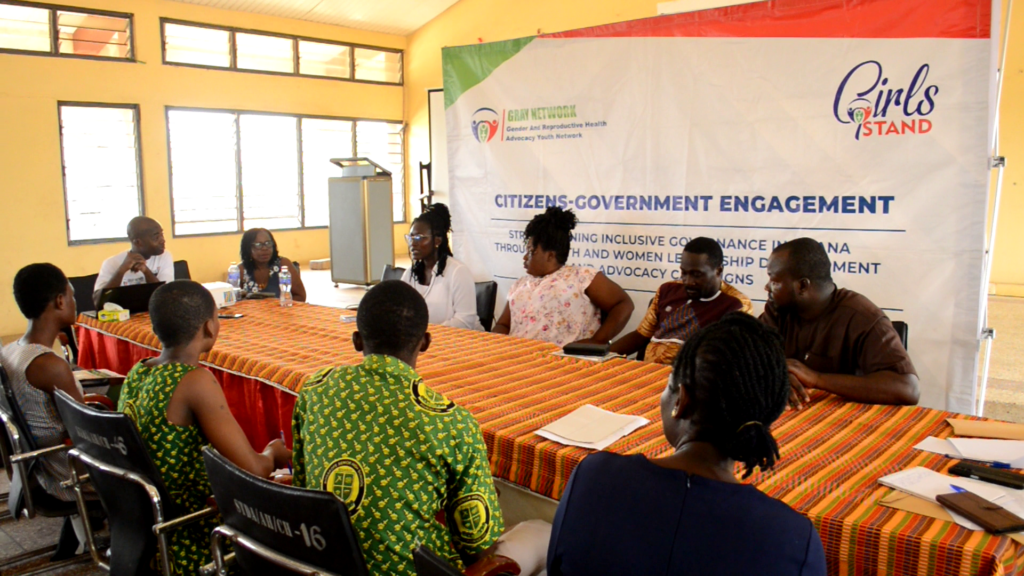
The stakeholder engagement workshops, conducted under the auspices of the Strengthening Inclusive Governance in Ghana through Youth and Women Leadership Development and Advocacy Campaigns, provided a platform for participants to share their experiences, challenges, and insights. According to Ms. Ama Owusu, Program Officer at GRAY Network, "the workshops were designed to facilitate open discussions, identify gaps in the current governance system, and explore strategies for addressing these gaps." By doing so, the network aimed to empower stakeholders with the knowledge and skills necessary to contribute meaningfully to the development of inclusive governance policies and practices.
Workshop Outcomes and Key Takeaways
The workshops yielded several key outcomes, including the identification of critical areas for improvement in the region's governance structure. Participants highlighted the need for increased representation of marginalized groups, improved access to healthcare and education, and enhanced mechanisms for citizen participation in decision-making processes.
"We recognized that inclusive governance is not just about representation, but also about ensuring that the voices of all stakeholders are heard and valued,"said Mr. Kofi Addo, a representative from the South Tongu District Assembly. The workshops also facilitated the establishment of a stakeholder network, which will serve as a platform for ongoing collaboration and coordination among participants.
The GRAY Network's initiative has been commended by experts as a significant step towards promoting inclusive governance in the region. Dr. Akosua Darkwah, a governance expert from the University of Ghana, noted that
"the engagement of stakeholders in governance processes is crucial for building trust, ensuring accountability, and promoting sustainable development."She further emphasized that the involvement of youth and women in leadership development and advocacy is essential for creating a more equitable and just society. By empowering these groups, the GRAY Network is helping to address the historical imbalances in representation and decision-making power.
Challenges and Future Directions
Despite the progress made, challenges persist in the pursuit of inclusive governance. Participants at the workshops acknowledged that resistance to change, limited resources, and inadequate capacity can hinder the implementation of inclusive governance policies. Ms. Owusu noted that
"the network is committed to supporting stakeholders in addressing these challenges, through capacity-building programs, advocacy, and resource mobilization."The GRAY Network is also exploring opportunities for collaboration with other organizations and government agencies to amplify its impact and ensure the sustainability of its initiatives.
As the GRAY Network continues to work towards strengthening inclusive governance in the Volta Region, its efforts are likely to have far-reaching consequences. By promoting the participation of youth and women in decision-making processes, the network is helping to create a more just and equitable society. The success of this initiative can serve as a model for other regions, demonstrating the potential for collaborative, stakeholder-driven approaches to governance reform. As Mr. Addo aptly put it,
"inclusive governance is not a destination, but a journey – and we are committed to walking this journey together, towards a brighter future for all."
In conclusion, the GRAY Network's stakeholder engagement workshops represent a significant milestone in the pursuit of inclusive governance in the Volta Region. By engaging stakeholders, identifying areas for improvement, and establishing a network for ongoing collaboration, the initiative has laid the groundwork for meaningful change. As the network looks to the future, its commitment to promoting youth and women leadership development, advocacy, and inclusive governance practices will undoubtedly have a lasting impact on the region's governance framework and the lives of its citizens. With the continued support of stakeholders and the dedication of organizations like the GRAY Network, the prospects for a more inclusive, equitable, and just society in Ghana have never been brighter.