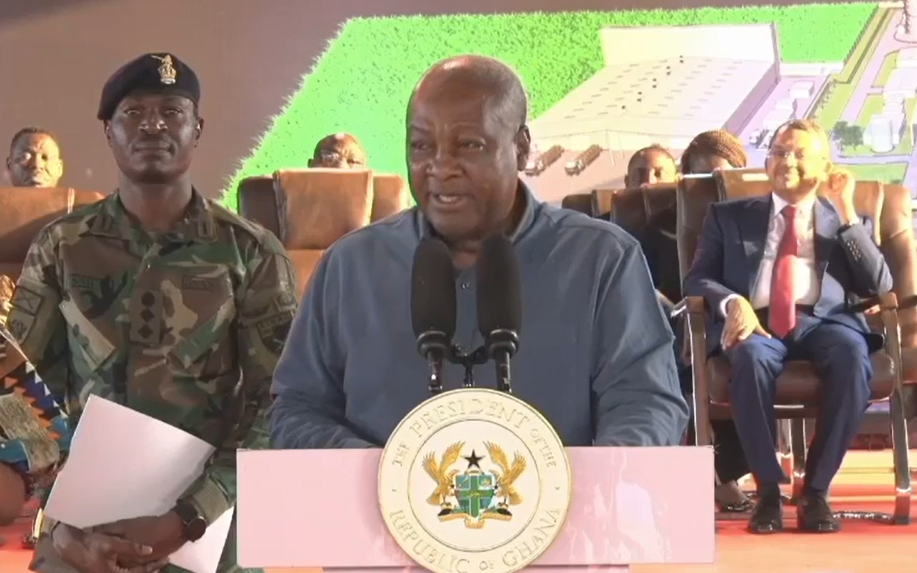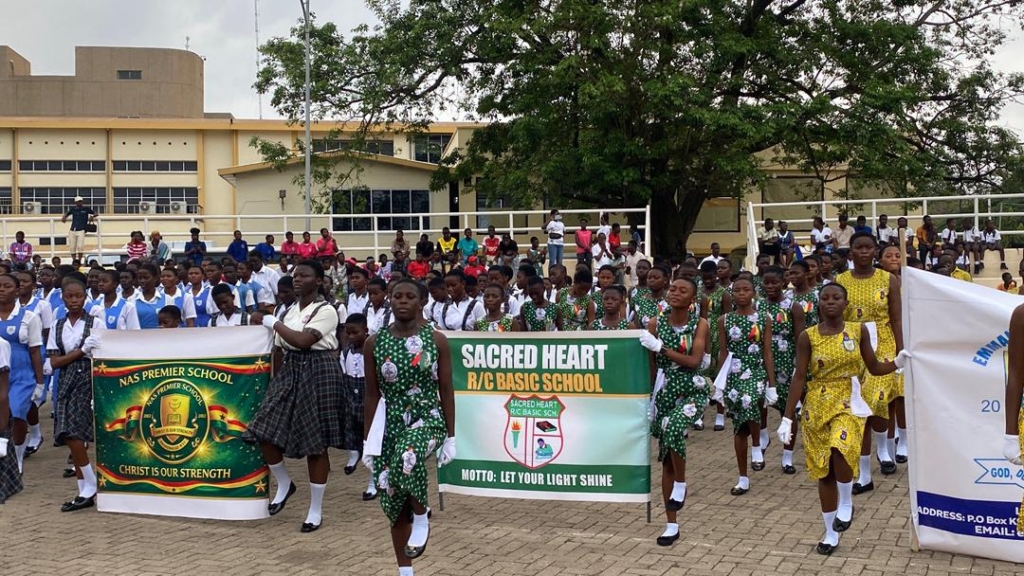
The vision of Dr. Nkrumah, who led Ghana to independence in 1957, was one of a unified and prosperous nation, where all citizens had access to quality education, healthcare, and economic opportunities. However, 69 years on, Ghana still faces significant challenges in achieving these goals.
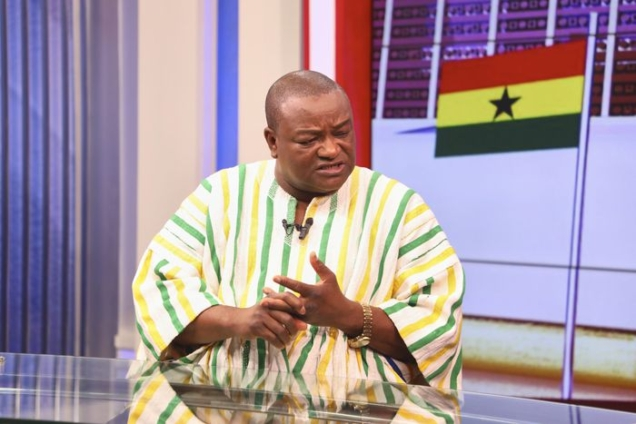
"We are still far from realizing the vision of Dr. Nkrumah, and it is time for us to take a critical look at ourselves and our leaders,"said Dr. Ayariga. "We need to ask ourselves what we have done with the opportunities we have had, and what we can do differently to move the country forward." According to Dr. Ayariga, Ghana's inability to fulfill its potential is a result of poor leadership, corruption, and a lack of investment in critical sectors such as education, healthcare, and infrastructure.
Challenges Facing Ghana
Despite making significant progress in recent years, Ghana still faces numerous challenges, including high levels of poverty, unemployment, and inequality. The country's economy, which is largely dependent on natural resources, is vulnerable to fluctuations in global commodity prices, making it difficult to achieve sustainable economic growth. The lack of diversification in the economy has also limited the country's ability to create jobs and reduce poverty. According to Dr. Eric Oduro Osae, a senior lecturer at the University of Ghana,
"Ghana's economy is still largely dependent on the export of raw materials, which makes us vulnerable to external shocks. We need to diversify our economy and add value to our products if we are to achieve sustainable growth."
In addition to economic challenges, Ghana also faces significant social and environmental challenges. The country's healthcare system, for example, is struggling to cope with the demand for services, particularly in rural areas where access to healthcare is limited. The lack of investment in healthcare infrastructure has resulted in a shortage of medical personnel, equipment, and supplies, making it difficult to provide quality healthcare services to all citizens. According to Dr. Frank Nyonator, a public health expert,
"The healthcare system in Ghana is facing significant challenges, including a shortage of medical personnel and equipment. We need to invest more in healthcare infrastructure and training if we are to improve health outcomes for all Ghanaians."
Way Forward
Despite the challenges facing Ghana, there is still hope for the future. According to Dr. Ayariga, the country has the potential to achieve greatness if its leaders are willing to make the necessary sacrifices and investments. "We need to put the interests of the country first and work together to achieve our goals," he said. "We need to invest in education, healthcare, and infrastructure, and we need to create an environment that is conducive to business and investment." Dr. Ayariga also emphasized the need for good governance and accountability, saying that leaders must be held accountable for their actions and that the country must be governed in a transparent and accountable manner.
Other experts agree that Ghana has the potential to achieve greatness, but that it will require a concerted effort from all stakeholders. According to Dr. Osae,
"Ghana has a lot of potential, but we need to work together to achieve our goals. We need to invest in human capital, infrastructure, and technology, and we need to create an environment that is conducive to business and investment."Dr. Nyonator also emphasized the need for collaboration and cooperation, saying that Ghana can only achieve its goals if all stakeholders work together. "We need to put our differences aside and work together to achieve our goals," he said. "We need to invest in healthcare, education, and infrastructure, and we need to create an environment that is conducive to business and investment."
In conclusion, as Ghana marks 69 years of independence, it is clear that the country still has a long way to go in fulfilling the vision of its founding father, Dr. Kwame Nkrumah. However, with the right leadership, investment, and collaboration, Ghana can still achieve its potential and become a prosperous and just society. As Dr. Ayariga said,
"The future of Ghana is bright, but we need to work together to achieve our goals. We need to put the interests of the country first and work together to build a better future for all Ghanaians."With a strong commitment to good governance, accountability, and investment in critical sectors, Ghana can overcome its challenges and achieve a brighter future for all its citizens.