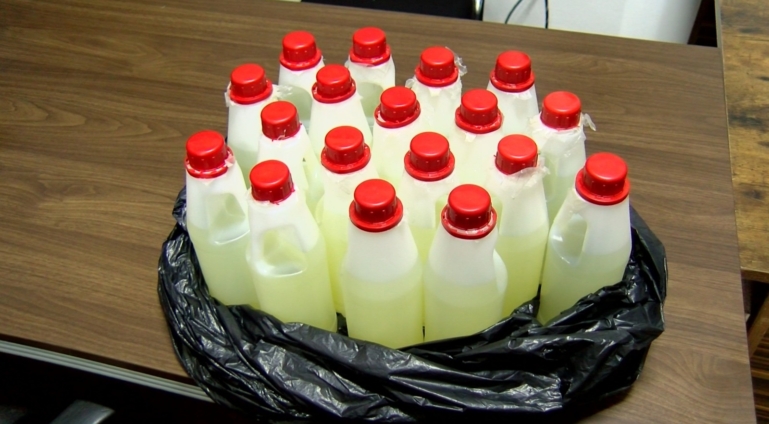
The Environmental Protection Authority of Ghana (EPA) has proposed a groundbreaking solution to combat the devastating effects of galamsey, or artisanal gold mining, on the country's river systems. The plan involves deploying copper-based nano liquid technology on the Birim River in the Eastern Region, with potential expansion to the Ankobra, Pra, and Offin rivers. This innovative approach has sparked both interest and concern among environmentalists, scientists, and local communities, who are eager to understand the potential benefits and risks associated with this technology.
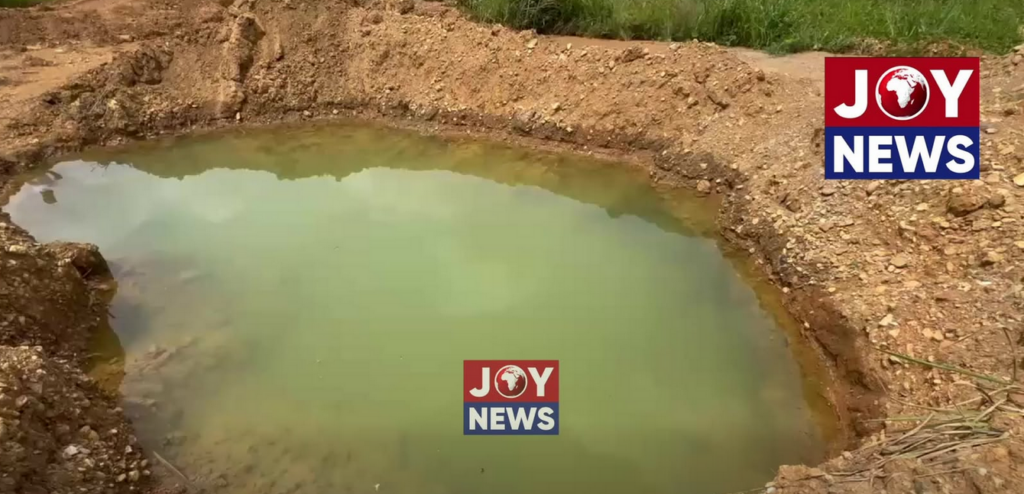
The Birim River, which flows through the Eastern Region, has been severely impacted by galamsey activities, resulting in widespread pollution and degradation of the water quality. The proposed copper-based nano liquid solution aims to remediate the river by removing heavy metals and other pollutants from the water. According to the EPA, this technology has shown promising results in laboratory tests, with the ability to effectively remove up to 90% of heavy metals from contaminated water. However, some experts have raised concerns about the potential risks associated with introducing copper-based nano particles into the environment.
Expert Opinions and Concerns
Dr. Ama Serwaa, a water quality expert at the University of Ghana, expressed caution about the potential long-term effects of the copper-based nano liquid technology.
"While the idea of using copper-based nano particles to clean up polluted rivers is intriguing, we need to carefully consider the potential risks to aquatic life and human health,"she said. Dr. Serwaa emphasized the need for thorough research and testing to ensure that the technology does not inadvertently introduce new pollutants or harm the ecosystem.
On the other hand, Mr. Kwame Owusu, Director of the EPA's Water Quality Division, is optimistic about the potential benefits of the copper-based nano liquid technology.
"We believe that this technology has the potential to revolutionize the way we approach river remediation in Ghana,"he said. Mr. Owusu emphasized that the EPA is committed to conducting thorough environmental impact assessments to ensure that the technology is safe and effective.
Environmental Impact and Community Concerns
The Ankobra, Pra, and Offin rivers, which are also being considered for the copper-based nano liquid technology, are critical waterways that support the livelihoods of thousands of people. The rivers provide drinking water, fishing grounds, and irrigation for agricultural activities. Local communities are understandably concerned about the potential risks associated with the introduction of copper-based nano particles into the water. Mrs. Akua Addo, a resident of a community near the Birim River, expressed her concerns about the potential impact on the river's ecosystem.
"We rely on the river for our daily needs, and we cannot afford to have it polluted further,"she said.
The EPA has assured the public that it will engage in extensive consultations with local communities and stakeholders to address their concerns and provide education on the benefits and risks associated with the copper-based nano liquid technology. The authority has also committed to conducting regular monitoring and evaluation to ensure that the technology is effective and safe.
Conclusion and Future Directions
In conclusion, the proposed copper-based nano liquid technology has the potential to provide a groundbreaking solution to the devastating effects of galamsey on Ghana's river systems. However, it is crucial that the EPA and other stakeholders carefully consider the potential risks and benefits associated with this technology. Thorough research, testing, and community engagement are essential to ensuring that the technology is safe, effective, and sustainable. As Ghana continues to grapple with the challenges of environmental degradation and pollution, it is imperative that the country explores innovative solutions that prioritize the health and well-being of both people and the planet. The future of Ghana's rivers and the communities that depend on them hangs in the balance, and it is up to the authorities, scientists, and local communities to work together to find a solution that benefits all.