
A tragic incident has unfolded in the eastern Indian state of Odisha, where a fire broke out in the trauma center of a government hospital, resulting in the loss of ten lives. The blaze, which occurred in the intensive care unit, has sent shockwaves throughout the community and raised concerns about the safety and preparedness of healthcare facilities in the region. According to initial reports, the fire started in the early hours of the morning, quickly spreading throughout the unit and leaving a trail of destruction in its wake.
Authorities have launched an investigation into the cause of the fire, which is believed to have been sparked by an electrical malfunction. Dr. Satyabrata Mohapatra, Director of the hospital, stated that "the fire started around 2 am, and our staff responded promptly to evacuate the patients. However, despite our best efforts, ten people lost their lives in the tragedy." The hospital's administration has promised a thorough probe into the incident, with Odisha's Health Minister, Naba Das, assuring that "we will leave no stone unturned in our investigation and will take necessary actions to prevent such incidents in the future."
Response and Rescue Efforts
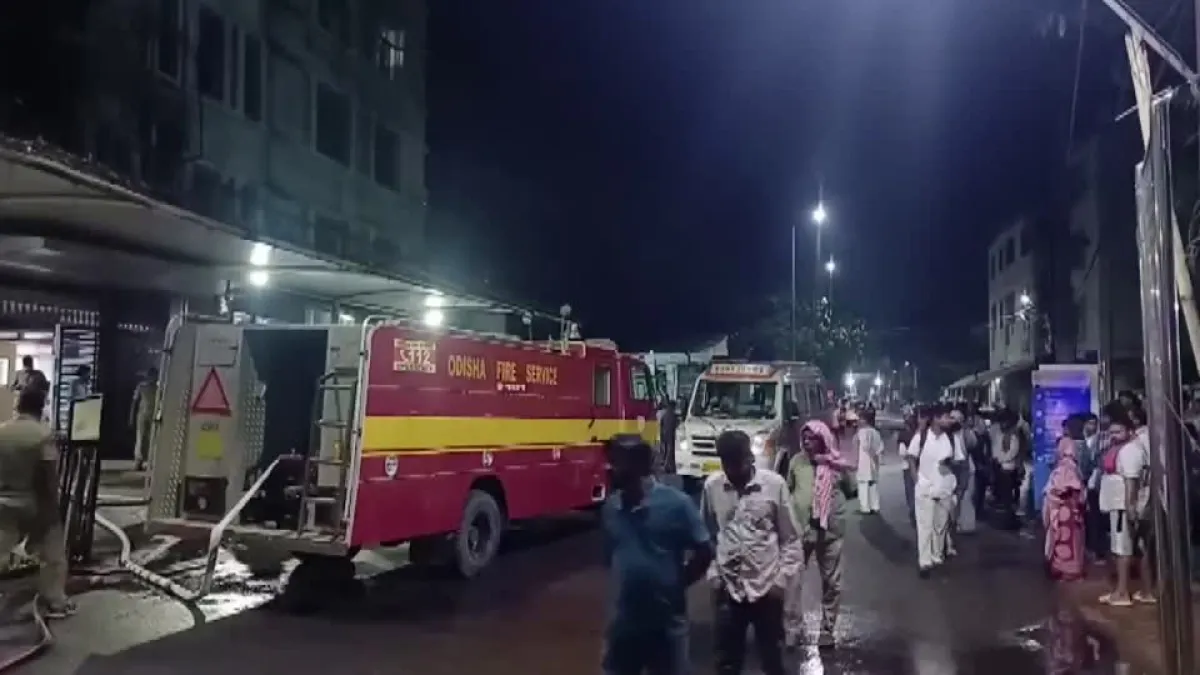
Emergency services were quick to respond to the fire, with fire engines and ambulances rushing to the scene to assist in the evacuation and rescue efforts. Fire Officer, Pratap Chandra Swain, who led the rescue operation, said, "our team worked tirelessly to put out the fire and rescue those trapped inside. It was a challenging situation, but we managed to contain the blaze and prevent it from spreading to other parts of the hospital." The rescue efforts were hindered by the intensity of the fire and the fact that the unit was filled with medical equipment and oxygen cylinders, which posed a significant risk to the responders.
As the news of the fire spread, local residents and volunteers gathered outside the hospital to offer their support and assistance. Many donated blood, food, and other essential items to help the affected families and hospital staff.
"It's a terrible tragedy, and our hearts go out to the families of the victims. We are doing everything we can to help the hospital and the community during this difficult time,"said Santosh Kumar, a local resident who was among the first to respond to the scene.
Investigation and Aftermath
The investigation into the fire is ongoing, with authorities examining the hospital's safety records and interviewing staff members to determine the cause of the blaze. Dr. Mohapatra acknowledged that the hospital had faced some safety concerns in the past, but emphasized that "we have been taking steps to address these issues and improve our preparedness. However, this incident has highlighted the need for more stringent measures to prevent such tragedies in the future." The hospital has announced plans to conduct a thorough review of its safety protocols and implement additional measures to prevent similar incidents.
The incident has also raised questions about the state of healthcare infrastructure in Odisha and the need for improved safety standards in hospitals. Naba Das, the Health Minister, stated that "we will be conducting a statewide review of hospital safety and taking steps to ensure that all healthcare facilities are equipped to handle emergencies. We cannot afford to compromise on the safety of our patients and staff." The government has promised to provide support to the families of the victims and to take measures to prevent similar incidents in the future.
Conclusion and Future Steps
The fire at the government hospital in Odisha is a sobering reminder of the importance of safety and preparedness in healthcare facilities. As the investigation continues and the community comes to terms with the tragedy, it is essential to take a closer look at the underlying issues that may have contributed to the incident. Dr. Mohapatra emphasized that "we will do everything in our power to prevent such incidents in the future and to ensure that our hospital is a safe and reliable place for patients to receive care." As the people of Odisha mourn the loss of life and look to the future, it is clear that this incident will have a lasting impact on the state's healthcare system and will serve as a catalyst for change and improvement.
In the coming days and weeks, the hospital and the government will face the challenge of rebuilding and recovering from this tragedy. The road ahead will be long and difficult, but with the support of the community and the commitment to improving safety standards, it is possible to create a better and more resilient healthcare system for the people of Odisha. As Naba Das said, "we will work tirelessly to ensure that our hospitals are safe, reliable, and equipped to provide the best possible care to our patients. This incident will serve as a wake-up call, and we will emerge from it stronger and more determined to improve our healthcare system."