The plea-bargaining talks are expected to commence shortly, with the prosecution and the defense team set to engage in intense negotiations. According to Senior Assistant Director of Public Prosecutions, Jane Muthoni, the state is open to considering a plea bargain if it serves the interests of justice. "We are willing to listen to the defense team's proposals and consider a plea bargain if it is in the best interests of the case," Muthoni stated. "However, we must emphasize that any agreement will be subject to stringent conditions and must reflect the severity of the crimes alleged."
Background to the Case
The NSSF fraud case involves a group of individuals accused of conspiring to defraud the fund through a series of complex transactions. The suspects, who include former NSSF employees and external business partners, allegedly used their positions to manipulate the system and siphon off billions of shillings. The fraud is believed to have been perpetrated over several years, with the suspects using various tactics to evade detection.
According to Retired Judge, James Orengo, who has been following the case, the plea-bargaining talks offer a glimmer of hope for a speedy resolution. "Plea bargaining can be an effective way to resolve complex cases like this one," Orengo noted. "It allows the parties to avoid the uncertainty and expense of a trial, while also ensuring that justice is served. However, it is crucial that any agreement is transparent and subject to public scrutiny."
Implications of the Plea-Bargaining Talks
The decision to engage in plea-bargaining talks has significant implications for the case. If successful, the negotiations could lead to a swift resolution, with the suspects agreeing to plead guilty in exchange for reduced sentences or other concessions. However, if the talks collapse, the case will proceed to trial, where the prosecution will be required to prove the suspects' guilt beyond a reasonable doubt.
"The plea-bargaining process is a delicate balancing act," said Criminal Law Expert, Dr. Peter Mwenesi. "On the one hand, the state wants to ensure that justice is served and that the suspects are held accountable for their actions. On the other hand, the defense team will be pushing for the best possible deal for their clients. It's a complex and nuanced process that requires careful negotiation and a deep understanding of the law."
As the plea-bargaining talks get underway, the public will be watching with keen interest. The NSSF fraud case has sparked widespread outrage, with many Kenyans demanding that those responsible be held accountable. The state's decision to engage in plea-bargaining talks is seen as a positive step towards resolving the case, but it also raises questions about the potential consequences for the suspects and the broader implications for the justice system.
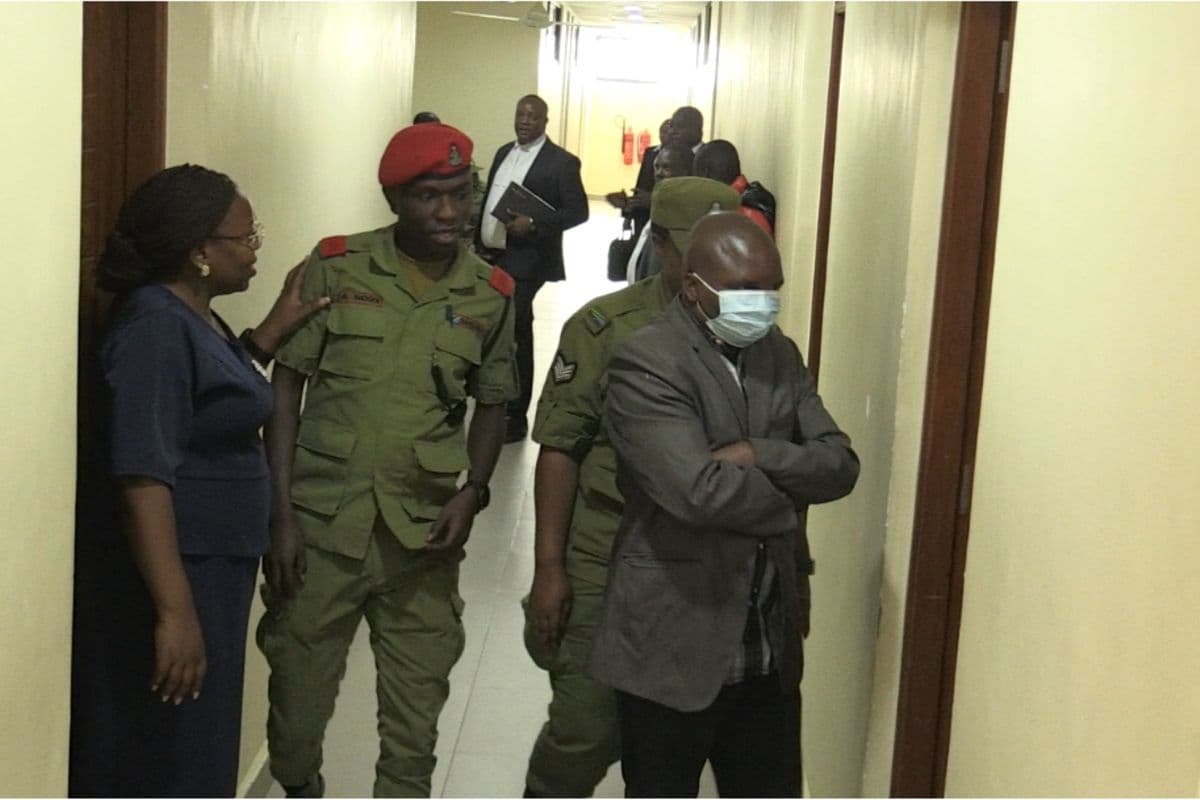
The suspects, who are currently being held in custody, will be anxiously awaiting the outcome of the negotiations. Their lawyers will be working tirelessly to secure the best possible deal, while the prosecution will be pushing for a agreement that reflects the severity of the crimes alleged. As the talks progress, it is likely that more details will emerge about the case and the proposed plea bargain.
Conclusion
In conclusion, the state's decision to accept plea-bargaining talks in the Sh1 billion NSSF fraud case marks a significant development in the ongoing saga. As the negotiations get underway, the public will be watching with keen interest, eager to see how the case unfolds. While the outcome is far from certain, one thing is clear: the plea-bargaining talks offer a glimmer of hope for a speedy resolution, and a chance for justice to be served. As Director of Public Prosecutions, Noordin Haji, noted, "The plea-bargaining process is an important tool in the pursuit of justice. We will be closely monitoring the negotiations and working to ensure that any agreement reached is in the best interests of the case and the public."