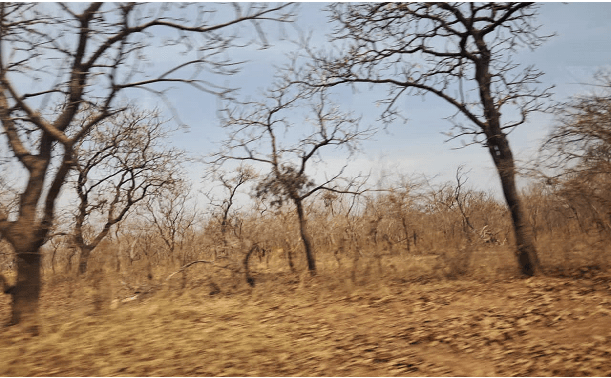
At the heart of the conflict is the competition for scarce resources, particularly land and water. Farmers in the region have long complained about the damage caused by the large herds that migrate through their lands, while herders argue that they have traditionally used these routes for decades. The situation is further complicated by the changing climate, which has led to more frequent and severe droughts, forcing herders to move their animals further south in search of grazing land.
"The situation is becoming increasingly desperate, with both farmers and herders feeling the squeeze," said Kofi Boakye, a farmer from the Savannah Region. "We need a solution that works for everyone, and private-sector ranching could be the answer."
The Private-Sector Ranching Model
The private-sector ranching model being implemented in the Savannah Region involves the establishment of large, commercial ranches that can accommodate the herds of nomadic herders. These ranches are designed to provide a sustainable and profitable alternative to traditional herding practices, while also reducing the pressure on farmers' lands. According to John Addo, a private-sector rancher, "Our model is based on a simple principle: to provide a win-win solution for both farmers and herders. By offering herders a secure and sustainable place to graze their animals, we can reduce the conflict and create a more stable environment for everyone." The ranches are equipped with state-of-the-art facilities, including boreholes, irrigation systems, and veterinary care, to ensure the health and well-being of the animals.
Benefits and Challenges
The benefits of private-sector ranching in the Savannah Region are numerous. Not only does it provide a sustainable solution to the conflict between farmers and herders, but it also offers economic benefits to both parties. Herders can sell their animals at a higher price, while farmers can reduce their losses from crop damage. Additionally, the ranches create employment opportunities for local communities, contributing to the region's economic development. However, there are also challenges to be addressed, including the high initial investment required to establish the ranches, as well as the need for effective regulation and management to ensure the long-term sustainability of the model. Dr. Owusu-Ansah notes, "While private-sector ranching is a promising solution, it requires careful planning and management to ensure that it benefits both farmers and herders, and does not exacerbate existing social and economic inequalities."
Despite these challenges, the private-sector ranching model has already shown promising results in the Savannah Region. Several ranches have been established, and herders are beginning to see the benefits of this approach.
"I used to migrate with my herd for months, searching for grazing land," said Aminu Ibrahim, a herder from the Sahel region. "But now, I can graze my animals on a secure and well-managed ranch, and sell them at a good price. It's a much better life for me and my family."As the model continues to expand, it is likely to have a significant impact on the region, reducing conflict and promoting economic development.
Government Support and Regulation
The success of private-sector ranching in the Savannah Region will depend on the level of support and regulation provided by the government. While the government has expressed its commitment to promoting private-sector ranching, more needs to be done to create an enabling environment for the model to thrive. This includes providing incentives for investors, streamlining regulatory processes, and ensuring that the rights of both farmers and herders are protected. Mr. Boakye notes, "The government needs to take a more active role in promoting private-sector ranching, by providing support for ranchers and herders, and ensuring that the model is sustainable and equitable." According to Dr. Owusu-Ansah, "The government should also invest in research and development, to improve the productivity and efficiency of the ranches, and to reduce the environmental impact of the model."
In conclusion, private-sector ranching offers a promising solution to the complex conflict between farmers and nomadic herders in Ghana's Savannah Region. As the region continues to grapple with the challenges of climate change, it is essential that innovative and sustainable solutions like private-sector ranching are given the support and attention they deserve. With the right level of investment, regulation, and management, private-sector ranching can help to reduce conflict, promote economic development, and improve the livelihoods of both farmers and herders in the region. As Dr. Owusu-Ansah notes, "The future of the Savannah Region depends on our ability to find sustainable and equitable solutions to the conflicts that have plagued the region for so long. Private-sector ranching is an important step in the right direction, and we must continue to support and promote this model, for the benefit of all stakeholders involved."