
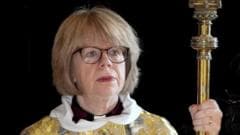
The meeting in Nigeria, which is being attended by senior clergy from various conservative provinces within the Anglican Communion, is aimed at identifying a suitable candidate to counter the influence of the new archbishop. According to Reverend Emmanuel Adekunle, a spokesperson for the Global Anglican Future Conference (GAFCON), the gathering is a response to the "theological drift" of the Church of England, which he claims has abandoned its traditional teachings. "We are not seeking to divide the church, but rather to preserve its integrity and faithfulness to the scriptures," Adekunle said. "The appointment of a female archbishop is a clear departure from the biblical teachings, and we cannot in good conscience continue to recognize her authority."
Background to the Crisis
The Anglican Communion, which is a global fellowship of churches that trace their roots to the Church of England, has been embroiled in controversy for several years. The issues of women's ordination, same-sex marriage, and theological orthodoxy have created deep divisions within the church, with conservative provinces in Africa, Asia, and Latin America pitted against their liberal counterparts in North America and Europe. The election of the first female Archbishop of Canterbury, who is set to take office later this year, has brought these tensions to a head, with many conservative clergy refusing to recognize her authority.
"The appointment of a female archbishop is a momentous occasion, and we should be celebrating this milestone in the history of the church," said Bishop Karen Scott, a prominent liberal cleric. "However, it is clear that not everyone shares our enthusiasm, and we must be prepared to engage with those who hold different views. We cannot afford to let this issue divide us further, and we must seek to find common ground and a way forward that honors our shared commitment to the gospel."
Implications of the Rival Appointment
The decision to appoint a rival archbishop is likely to have significant implications for the Anglican Communion, both in terms of its internal dynamics and its relationships with other Christian denominations. According to Dr. Andrew Goddard, a theologian and expert on Anglican affairs, the move could lead to a de facto schism within the church. "The appointment of a rival archbishop would create a situation in which there are two competing centers of authority within the Anglican Communion," Goddard said. "This would be a recipe for chaos and confusion, and would undermine the already fragile unity of the church."
The consequences of such a schism would be far-reaching, affecting not only the internal governance of the church but also its ecumenical relationships with other Christian denominations. The Anglican Communion has historically enjoyed close ties with other churches, including the Roman Catholic Church and the Orthodox Church, and a split could jeopardize these relationships. Furthermore, the appointment of a rival archbishop could also have implications for the church's mission and ministry, as different factions within the church may pursue competing agendas and priorities.
Way Forward
As the Anglican Communion navigates this challenging period, there are calls for calm and restraint from all parties involved. Archbishop Justin Welby, the outgoing Archbishop of Canterbury, has urged conservative clergy to engage in dialogue and to seek a way forward that avoids further division. "We must not allow our differences to tear us apart," Welby said. "We are all part of the same body of Christ, and we must seek to find a way of living together in harmony, even when we disagree."
In conclusion, the decision by conservative clerics to appoint a rival to the first female Archbishop of Canterbury has deepened divisions within the Anglican Communion and raised questions about the church's future unity and coherence. As the church moves forward, it will be essential to find a way of resolving these differences and of healing the wounds that have been inflicted. This will require a commitment to dialogue, a willingness to listen to opposing viewpoints, and a determination to seek a way forward that honors the church's shared heritage and its mission to proclaim the gospel to a broken world. The coming months and years will be critical in shaping the future of the Anglican Communion, and it remains to be seen whether the church will be able to overcome its current challenges and emerge stronger and more united than ever before.