The key to Bonyanto's success lies in its community-led conservation initiative, which brings together local residents, conservation experts, and government officials to manage the village's natural resources sustainably. According to Dr. Maria Rodriguez, a leading expert on Savannah ecology, "Bonyanto's model is a testament to the power of collaborative conservation. By engaging local communities in the management of their natural resources, we can create a sense of ownership and responsibility that is essential for long-term environmental protection." The initiative has not only helped to prevent bushfires but also promoted the regeneration of native vegetation, providing a habitat for a diverse range of wildlife, including endangered species.
The Impact of Bushfires on Biodiversity
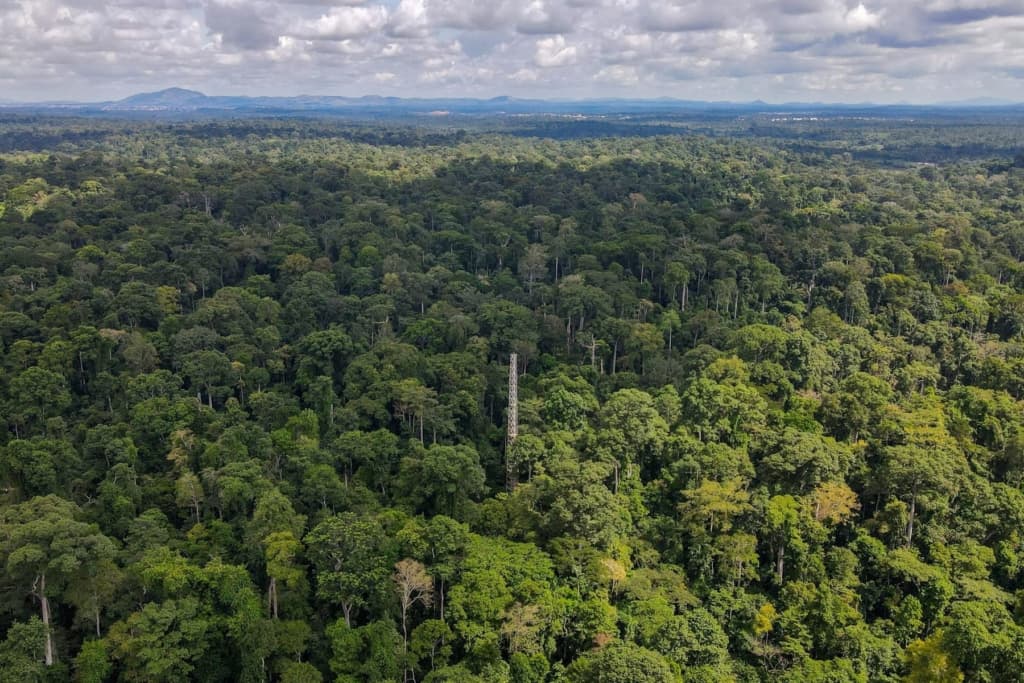
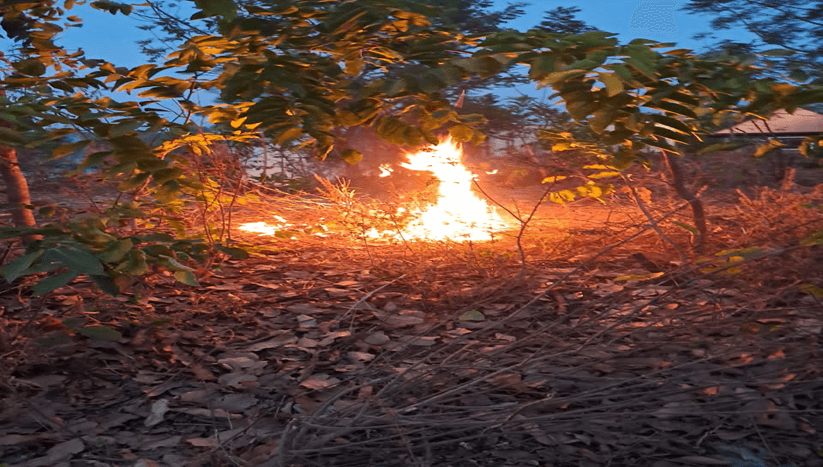
Bushfires are a major threat to biodiversity in the Savannah region, causing widespread destruction of habitats and disrupting the delicate balance of ecosystems.
"The loss of biodiversity is a major concern, as it can have far-reaching consequences for the health of our planet,"said John Taylor, a conservation biologist with the regional wildlife authority. "When we lose species, we also lose the ecosystem services they provide, such as pollination, pest control, and nutrient cycling. This can have a ripple effect throughout the entire ecosystem, leading to a decline in overall ecosystem health." The Savannah region is home to a vast array of plant and animal species, many of which are found nowhere else on Earth. The preservation of this biodiversity is essential for maintaining the region's ecological integrity and supporting the livelihoods of local communities.
Community-Led Conservation
The Bonyanto model is based on a community-led approach to conservation, which recognizes the importance of engaging local residents in the management of their natural resources. Chief Kofi Owusu, the village chief of Bonyanto, emphasized the significance of community involvement, saying,
"Our people have lived in harmony with nature for generations. We understand the importance of preserving our natural resources, not just for our own benefit, but for the benefit of future generations."The village has established a network of community-led conservation groups, which work together to monitor wildlife populations, prevent bushfires, and promote sustainable land-use practices. This approach has not only helped to protect the environment but also provided economic benefits for local residents, through the development of eco-tourism and sustainable agriculture.
The success of the Bonyanto model has significant implications for the wider region, where bushfires and deforestation remain major concerns. Dr. Jane Smith, a regional environmental expert, noted that
"Bonyanto's approach can be replicated in other areas, with some adaptations to suit local conditions. The key is to engage local communities in the conservation process and provide them with the necessary support and resources to manage their natural resources sustainably."As the region looks to the future, the Bonyanto model offers a beacon of hope for environmental conservation, demonstrating that with the right approach, it is possible to balance human needs with the need to protect the environment.
Scaling Up Conservation Efforts
While the Bonyanto model is a significant achievement, it is essential to recognize that the challenges facing the Savannah region are complex and far-reaching. To address these challenges, it is necessary to scale up conservation efforts, engaging more communities and stakeholders in the conservation process. Regional Minister for Environment, Hon. Ahmed Mohammed, emphasized the need for a collaborative approach, saying,
"We must work together to protect our environment, recognizing that conservation is a collective responsibility. The Bonyanto model is an inspiration, but we must also learn from other successful conservation initiatives and adapt them to our local context."The regional government has launched a new initiative to support community-led conservation, providing funding and technical assistance to villages and communities that are working to protect their natural resources.
In conclusion, the Bonyanto model of zero-fire record is a remarkable achievement, demonstrating the power of community-led conservation in preserving biodiversity and mitigating the effects of climate change. As the region looks to the future, it is essential to build on this success, scaling up conservation efforts and engaging more communities and stakeholders in the conservation process. By working together, we can protect the Savannah region's precious natural resources, supporting the livelihoods of local communities and preserving the health of our planet for future generations. The Bonyanto model is a shining example of what can be achieved through determination, collaboration, and a commitment to environmental conservation.