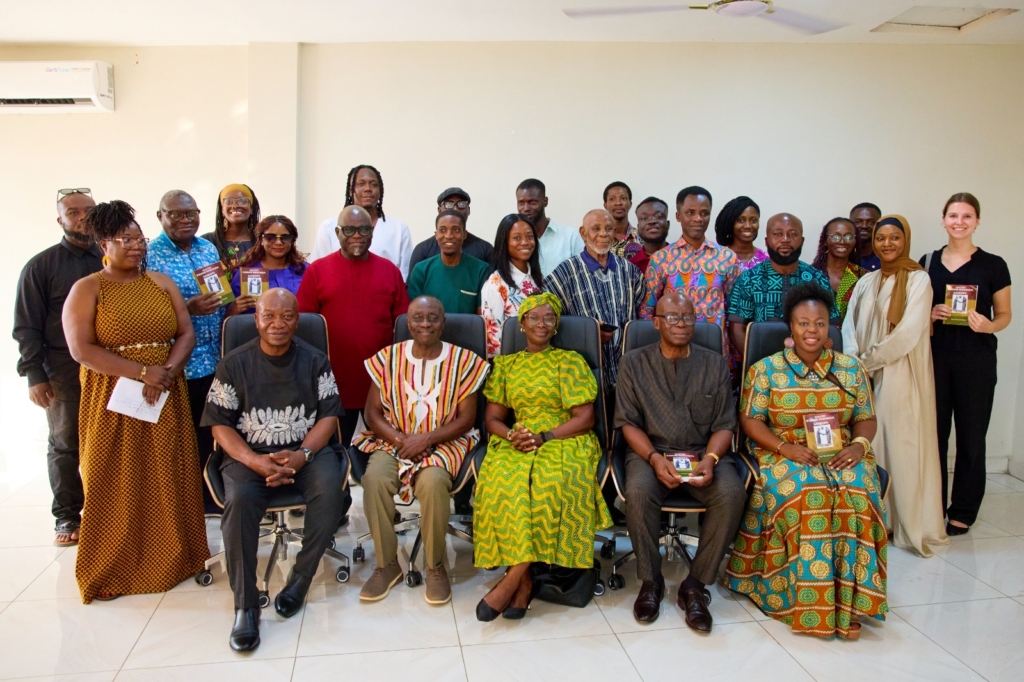
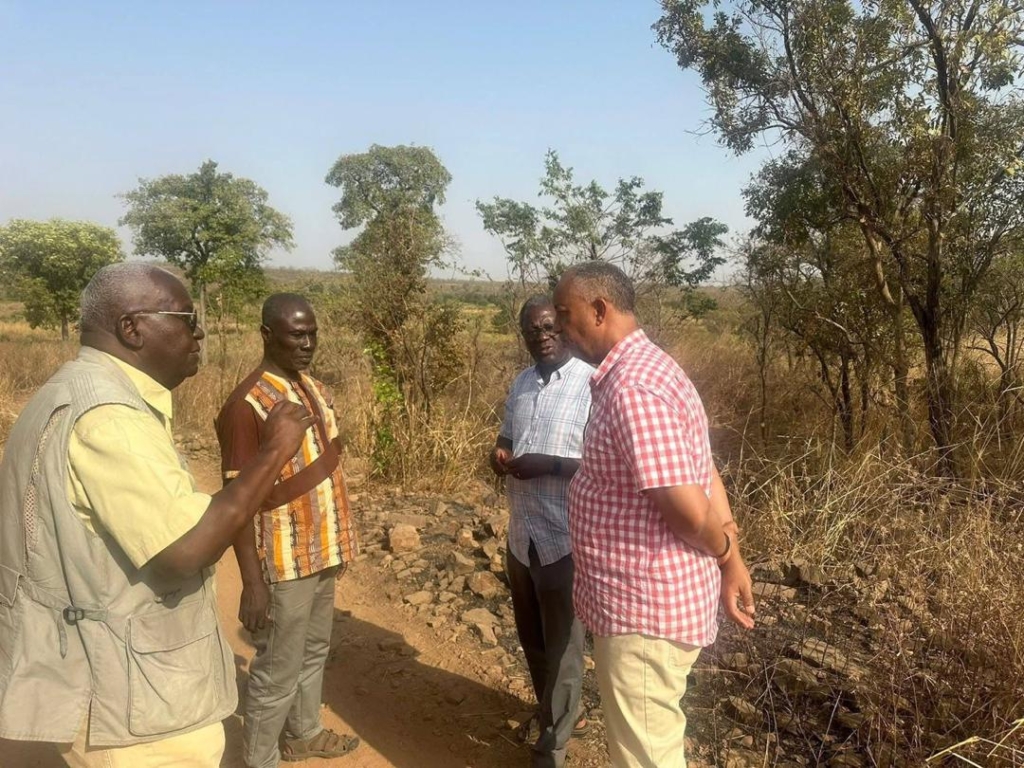
The Millennium Development Authority (MiDA) has embarked on an ambitious initiative to transform Ghana's Volta Basin into a thriving agro-industrial hub, aiming to boost agricultural productivity and support the country's economic growth agenda. Led by MiDA Board Chairman Charles Abugre and Chief Executive Officer Alexander Kofi-Mensah Mould, a high-level delegation has been engaging with stakeholders to drive this vision forward. The project is expected to play a crucial role in realizing the 24-hour economy agenda of former President John Dramani Mahama, which seeks to stimulate economic activity and create jobs across various sectors.
At the heart of this initiative is the development of a network of agro-industrial hubs, designed to leverage the Volta Basin's rich natural resources and strategic location. These hubs will serve as centers for agricultural production, processing, and marketing, providing opportunities for farmers, entrepreneurs, and investors to collaborate and thrive. According to Dr. Ama Pomaa Boateng, a leading agricultural expert, "The Volta Basin has tremendous potential for agricultural growth, with its fertile soils, abundant water resources, and favorable climate. By establishing agro-industrial hubs, MiDA is taking a significant step towards unlocking this potential and creating a more sustainable and prosperous future for Ghana's agricultural sector."
Key Components of the Initiative
The MiDA-led initiative comprises several key components, including the development of infrastructure, such as roads, irrigation systems, and storage facilities, to support agricultural production and trade. The project also involves the provision of training and capacity-building programs for farmers, entrepreneurs, and other stakeholders, aimed at enhancing their skills and knowledge in areas such as agricultural best practices, business management, and marketing. Furthermore, MiDA is working to establish partnerships with private sector companies, research institutions, and other organizations to drive innovation and investment in the agro-industrial sector.
"Our goal is to create a vibrant agro-industrial ecosystem in the Volta Basin, where farmers, entrepreneurs, and investors can come together to produce, process, and market high-quality agricultural products,"said Alexander Kofi-Mensah Mould, MiDA CEO. "We believe that this initiative has the potential to transform the lives of thousands of people in the region, while also contributing to Ghana's economic growth and development."
Benefits and Opportunities
The transformation of the Volta corridor into an agro-industrial powerhouse is expected to bring numerous benefits and opportunities to the region and the country as a whole. These include increased agricultural productivity, improved food security, and enhanced economic growth. The project is also expected to create jobs, stimulate entrepreneurship, and attract investment in the agro-industrial sector. According to Charles Abugre, MiDA Board Chairman, "The potential for job creation and economic growth in the Volta Basin is vast, and we are committed to working with all stakeholders to realize this potential and create a brighter future for the people of Ghana."
In addition to these benefits, the initiative is also expected to contribute to the development of Ghana's 24-hour economy, by providing opportunities for farmers, entrepreneurs, and other stakeholders to engage in economic activity around the clock. This, in turn, is expected to stimulate economic growth, reduce poverty, and improve living standards. As Dr. Boateng noted, "The 24-hour economy agenda is all about creating opportunities for people to engage in economic activity at all times, and the agro-industrial sector is a key part of this vision. By transforming the Volta corridor into an agro-industrial powerhouse, MiDA is taking a significant step towards realizing this vision and creating a more prosperous and sustainable future for Ghana."
Challenges and Next Steps
While the initiative holds great promise, there are also challenges that need to be addressed. These include the need for significant investment in infrastructure, the development of effective marketing and distribution channels, and the provision of training and capacity-building programs for farmers, entrepreneurs, and other stakeholders. According to Mould, "We are aware of the challenges that lie ahead, but we are committed to working with all stakeholders to overcome them and realize the full potential of the Volta Basin."
In the coming months, MiDA will be engaging with stakeholders to finalize the project's design and implementation plan. This will involve consultations with farmers, entrepreneurs, and other stakeholders, as well as partnerships with private sector companies, research institutions, and other organizations. As Abugre noted, "We are committed to ensuring that the project is owned and driven by the people of the Volta Basin, and that it responds to their needs and aspirations. We believe that this is the key to creating a successful and sustainable agro-industrial sector in the region."
In conclusion, the MiDA-led initiative to transform the Volta corridor into an agro-industrial powerhouse holds great promise for Ghana's agricultural sector and economy. With its focus on developing infrastructure, building capacity, and driving innovation and investment, the project has the potential to create jobs, stimulate entrepreneurship, and attract investment in the agro-industrial sector. As the project moves forward, it will be important to address the challenges that lie ahead and to ensure that the initiative is owned and driven by the people of the Volta Basin. With the right approach and support, the Volta corridor can become a thriving agro-industrial hub, driving economic growth and prosperity for Ghana and its people.